

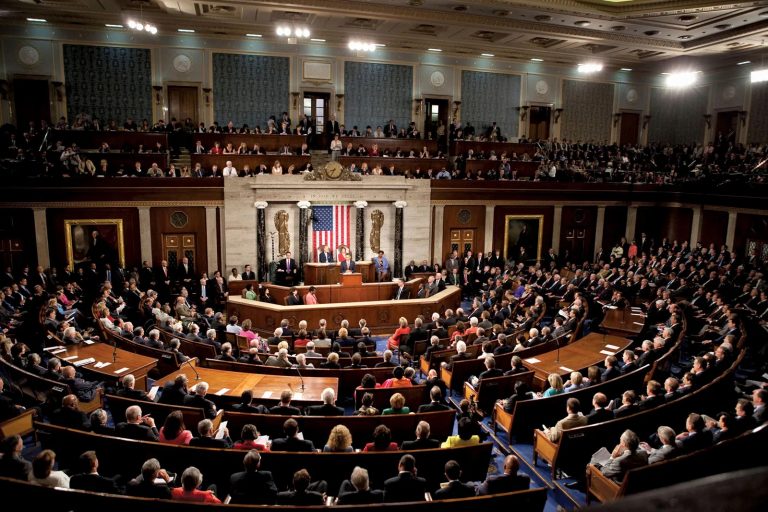
The Senate markup on the crypto market structure bill often referred to in connection with frameworks like the CLARITY Act or building on prior FIT21 legislation has been delayed for the Senate Agriculture Committee version.
Senate Agriculture Committee Chairman John Boozman (R-AR) announced on January 12-13, 2026, that the planned markup—originally aligned with the Senate Banking Committee’s session on January 15—has been postponed to the last week of January.
This is to allow more time for bipartisan negotiations to finalize remaining details and secure broad support. Key sticking points include treatment of decentralized finance (DeFi), stablecoin yield/rewards where banks have lobbied against competitive yields on stablecoins to protect deposits, and clarifying jurisdiction between the SEC and CFTC.
Register for Tekedia Mini-MBA edition 20 (June 8 – Sept 5, 2026).
Register for Tekedia AI in Business Masterclass.
Join Tekedia Capital Syndicate and co-invest in great global startups.
Register for Tekedia AI Lab.
The Senate Banking Committee chaired by Tim Scott, R-SC had been on track for its markup on January 15, but recent developments show pushback: Coinbase withdrew support from the latest draft citing issues like restrictions on stablecoin rewards and other provisions seen as worse than the status quo, leading to reports of postponement or cancellation of that session as well, with negotiations continuing.
This legislation aims to provide long-sought regulatory clarity for digital assets, dividing oversight like spot crypto markets under CFTC as commodities, securities under SEC, building on prior laws like the GENIUS Act for stablecoins. However, intense lobbying from banks concerned about deposit flight if stablecoins offer yields and crypto advocates has complicated progress.
Over 100+ amendments were proposed in some drafts, highlighting ongoing debates.The delay reflects efforts to avoid a rushed or partisan outcome that could stall the bill entirely, especially with midterms approaching. If both committees advance reconciled versions later in January, it could move toward a full Senate floor vote relatively soon—but timing remains fluid amid these negotiations.

Crypto markets have shown volatility in response, with some assets reacting to the uncertainty. The treatment of DeFi (decentralized finance) in the ongoing Senate crypto market structure bill—often referred to as the Digital Asset Market Clarity Act—is one of the most debated and unresolved aspects.
As of mid-January 2026, the bill remains in negotiation and markup delays pushed to the last week of January for the Senate Agriculture Committee, with the Banking Committee markup also postponed amid pushback, largely due to concerns around DeFi provisions, among other issues like stablecoin yields.
Core Approach to DeFi
The drafts from both Senate Banking and Agriculture Committees, reconciling elements of the House CLARITY Act aim to integrate DeFi into a formal regulatory perimeter without stifling genuine decentralization. This is a shift from the current enforcement-heavy status quo, where the SEC has often pursued DeFi protocols under securities laws if they involve investment-like elements.
Key elements include: Protections for developers and non-custodial activities — A major focus is shielding software developers, open-source contributors, and infrastructure participants from automatic classification as regulated intermediaries. Activities like:Writing/publishing/maintaining code

Running nodes or validating transactions. Operating non-custodial user interfaces/front-ends. Providing liquidity pools without custody/control. Developing wallets or decentralized messaging systems. These do not, by themselves, trigger registration or full compliance obligations under SEC/CFTC rules, provided the person does not custody user funds, exercise control over assets, or act as a centralized counterparty.
This draws from concepts in prior bills like FIT21 and the Blockchain Regulatory Certainty Act, emphasizing that code publication or protocol maintenance ? financial intermediation. Focus on identifiable intermediaries — Obligations target centralized or application-layer service providers, front-ends with significant influence, or entities exercising “control or sufficient influence” over protocols.
Truly decentralized protocols avoid broad burdens. BSA/AML compliance pathway — The bill directs the U.S. Treasury in coordination with SEC/CFTC to develop tailored rules for how DeFi platforms/protocols comply with Bank Secrecy Act (BSA) and anti-money laundering (AML) requirements.
This is a first for statutory recognition of decentralized environments, avoiding outright bans but requiring feasible compliance via front-ends or identifiable operators rather than imposing impossible rules on pure code. SEC/Treasury rulemaking on DeFi — Agencies are instructed to clarify obligations for DeFi trading protocols, including securities law applicability, disclosures, and recordkeeping.
This promotes “responsible DeFi innovation” through studies, voluntary cybersecurity programs, and calibrated rules rather than defaults to enforcement. DeFi remains highly contentious: Groups like Coinbase argue some drafts impose overly restrictive rules on tokenized assets or protocol governance, potentially worse than the status quo by chilling innovation or creating compliance impossibilities for decentralized systems.
Banking/traditional finance concerns — Fears of regulatory arbitrage, where DeFi could enable less-regulated trading of tokenized securities or facilitate illicit finance. Over 100+ up to 137 reported amendments circulated, many targeting DeFi language.
Senators like Cynthia Lummis and Pete Ricketts pushed pro-DeFi revisions for developer protections; others from Democrats sought stronger controls on “influence” or illicit finance risks. No full safe harbor yet — Unlike narrower exclusions in some drafts, there’s no blanket immunity—enforcement for fraud/manipulation remains, and “decentralized” status may involve subjective tests.
Why the Delay Matters for DeFi
The postponement to late January gives more time for bipartisan tweaks to balance innovation protecting open-source DeFi with protections (AML, investor safeguards). If reconciled versions advance, DeFi could gain clearer boundaries, shifting from SEC enforcement actions to predictable rulemaking.
But if compromises fail, too much Treasury/SEC discretion, it risks stalling the bill or weakening pro-DeFi elements. This framework, if passed, would represent one of the most explicit U.S. legislative efforts to address DeFi directly.