

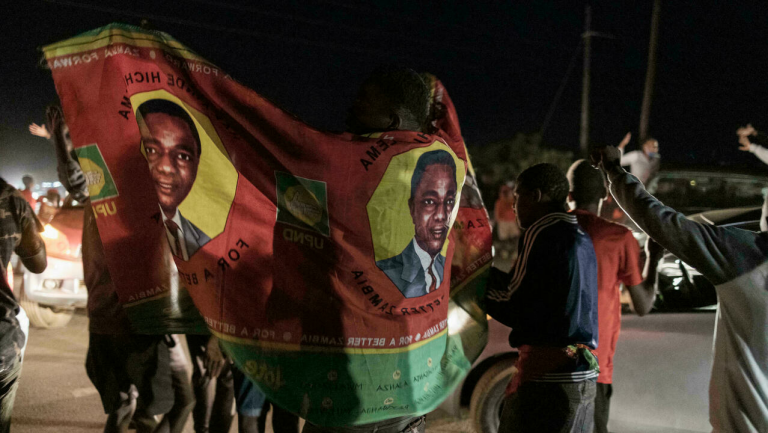
Zambia’s upcoming election represents a defining moment in the country’s democratic journey and economic transformation. Coming after several years of ambitious reforms under President Hakainde Hichilema, the vote is being closely watched both domestically and internationally.
The election is not only about choosing political leadership but also about determining whether Zambia will continue on its current path of economic restructuring, fiscal discipline, and renewed engagement with global partners.
When Hichilema assumed office in 2021, Zambia was facing severe economic challenges.
The country had become Africa’s first pandemic-era sovereign default, burdened by mounting debt, high inflation, and declining investor confidence. Public finances were under immense strain, and economic uncertainty weighed heavily on businesses and ordinary citizens alike.
Register for the next Tekedia Mini-MBA.
Register for Tekedia AI in Business Masterclass.
Join Tekedia Capital Syndicate and co-invest in great global startups.
Against this backdrop, the new administration embarked on a series of reforms aimed at stabilizing the economy and restoring confidence. One of the most notable achievements of Hichilema’s administration has been Zambia’s successful debt restructuring process under the G20 Common Framework.
The agreement, regarded as a landmark development for emerging economies facing debt distress, provided Zambia with much-needed fiscal breathing room. By securing cooperation from bilateral and private creditors, the country demonstrated that complex sovereign debt negotiations can be resolved through coordinated international efforts.
The restructuring process has been widely praised by international institutions, including the International Monetary Fund and the World Bank. It has improved Zambia’s standing among investors and strengthened its reputation as a country committed to economic reform and responsible governance.
This renewed credibility has encouraged foreign investment interest in key sectors such as mining, agriculture, energy, and infrastructure.

Beyond debt management, the government has implemented policies aimed at promoting economic diversification and reducing reliance on copper exports. Efforts to increase agricultural productivity, expand renewable energy capacity, and support private-sector development have become central components of Zambia’s economic strategy.
Additionally, initiatives focused on improving transparency, strengthening institutions, and combating corruption have contributed to a more favorable investment environment. However, despite these achievements, significant challenges remain.
Many Zambians continue to face high living costs, unemployment, and limited access to economic opportunities. Inflationary pressures and global economic uncertainties have affected household incomes, leading some citizens to question whether the benefits of macroeconomic reforms have translated into tangible improvements in everyday life.

This disconnect between economic stabilization and public expectations is likely to play a major role in the election. Voters will assess not only the government’s achievements on paper but also the extent to which reforms have improved living standards.
The opposition may seek to capitalize on public frustrations, arguing that economic gains have been unevenly distributed and that more immediate relief is needed.
At the same time, Zambia’s democratic credentials are also under scrutiny. The country has long been considered one of Africa’s more stable democracies, characterized by peaceful transfers of power and competitive elections.
The conduct of the upcoming vote will therefore serve as an important indicator of institutional resilience and democratic maturity. International observers are paying close attention because Zambia’s experience carries broader implications for other developing economies confronting debt challenges and governance reforms.
A successful election process combined with policy continuity could strengthen confidence in Zambia as a model for economic recovery and democratic governance. The election represents a critical test of Zambia’s future direction.
The outcome will determine whether the country continues its reform agenda and deepens its international partnerships or pursues an alternative path. For many citizens, the vote is an opportunity to shape the next chapter of Zambia’s economic and democratic development, with implications that could resonate far beyond its borders.