

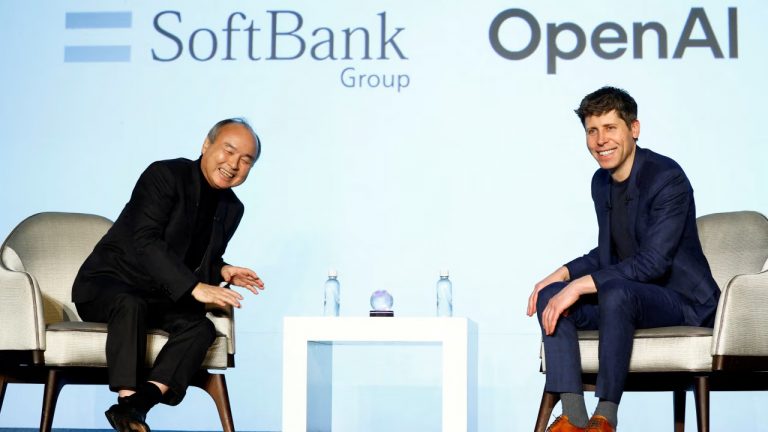
SoftBank Group reported a massive $46 billion gain in its Vision Fund for the financial year ended March 31, the vast majority of which stemmed from the skyrocketing valuation of its enormous stake in OpenAI.
The performance marks one of the most dramatic single-year turnarounds for the fund and underscores Masayoshi Son’s aggressive, conviction-driven approach to investing in transformative technologies.
The Vision Fund alone generated around $20 billion in gains in the final quarter of the year, with nearly the entire increase attributable to OpenAI. While other holdings such as Coupang, DiDi Global, and Klarna dragged on returns, the OpenAI position more than compensated, delivering $45 billion in gains for the full year.
Register for the next Tekedia Mini-MBA.
Register for Tekedia AI in Business Masterclass.
Join Tekedia Capital Syndicate and co-invest in great global startups.
SoftBank has already deployed more than $30 billion into OpenAI and has committed to a total of over $60 billion, which would secure it roughly 13% ownership. In March, OpenAI completed a major funding round co-led by SoftBank that valued the company at an eye-watering $852 billion, even as it faces stiff competition from Google, Anthropic, xAI, and others racing to dominate generative AI.
This outcome reflects Masayoshi Son’s long-standing philosophy of making outsized bets on what he sees as once-in-a-generation opportunities. From his early Alibaba investment to the Vision Fund era, Son has consistently pursued massive scale in technology themes he believes will reshape the global economy.
OpenAI now sits at the absolute center of that strategy, with SoftBank also investing across AI infrastructure, chips, robotics, and related technologies.

However, the heavy concentration has raised clear concerns. In March, S&P Global Ratings shifted its outlook on SoftBank from “stable” to “negative,” warning that the additional massive commitment to OpenAI could weaken the company’s asset liquidity, portfolio quality, and financial flexibility. The agency highlighted risks tied to SoftBank’s elevated debt load should the AI boom encounter any slowdown or valuation reset.
To help finance its OpenAI ambitions, SoftBank has been systematically selling down stakes in mature holdings, including T-Mobile and Nvidia. These disposals contributed 218.1 billion yen ($1.4 billion) in gains for the year. Yet, when stripping out foreign exchange effects and other costs, the company recorded a 472.1 billion yen investment loss outside the Vision Fund, highlighting the mixed performance across its broader portfolio.
CFO Yoshimitsu Goto emphasized financial discipline during the earnings call, pointing to SoftBank’s solid 3.5 trillion yen cash buffer — sufficient to cover more than two years of bond redemptions. This liquidity provides a meaningful cushion as the company continues its aggressive AI deployment.

At the overall group level, SoftBank posted a strong net profit of 5 trillion yen for the year, supported by both the Vision Fund’s exceptional performance and resilient results from its core domestic telecommunications business.
The results paint a classic high-risk, high-reward playbook. SoftBank has captured enormous paper gains from the AI surge and positioned itself as one of the most influential corporate investors in the sector. The heavy bet on a single private company, however promising, creates significant volatility and concentration risk that traditional investors and rating agencies view warily.
OpenAI’s rapid valuation climb has validated SoftBank’s thesis in the near term, but questions remain about sustainability. The company still burns substantial cash on compute and talent, operates in a hyper-competitive environment, and faces ongoing regulatory and geopolitical scrutiny around AI development.
Against that backdrop, analysts believe that SoftBank’s success will depend on its ability to balance this concentrated AI exposure with portfolio diversification, prudent debt management, and continued strength in its telecom operations. While the Vision Fund’s historic gains provide breathing room, they also raise the bar for future performance.
In many ways, SoftBank’s latest results encapsulate the current era of technology investing: extraordinary rewards for those who back the right winners early, coupled with elevated risks when bets become oversized.