

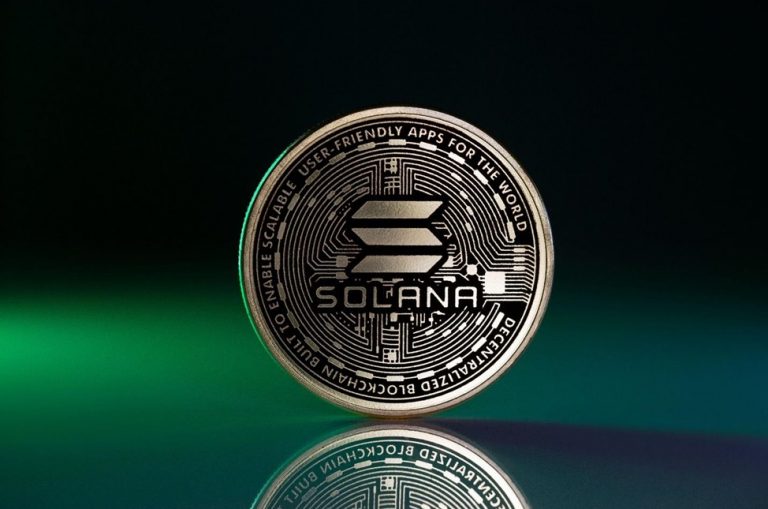
Solana has achieved another significant milestone in the evolution of digital asset markets. Solana has surpassed major centralized exchanges such as Bybit, Coinbase, and Kraken in weekly decentralized exchange spot trading volume, ranking second only to Binance.
This development highlights the growing influence of decentralized finance and signals a broader shift in how traders interact with cryptocurrency markets. For years, centralized exchanges dominated the industry by offering liquidity, user-friendly interfaces, and regulatory compliance.
Platforms like Coinbase, Kraken, and Bybit became synonymous with crypto trading, serving as gateways for millions of retail and institutional investors. However, the rapid expansion of on-chain infrastructure has begun to challenge this traditional model.
Solana’s rise has been driven by its unique combination of high transaction throughput, low fees, and an increasingly vibrant ecosystem of decentralized applications.
Register for the next Tekedia Mini-MBA.
Register for Tekedia AI in Business Masterclass.
Join Tekedia Capital Syndicate and co-invest in great global startups.
Unlike networks that struggle with congestion and expensive transaction costs during periods of high activity, Solana can process thousands of transactions per second at a fraction of a cent. This efficiency has made it particularly attractive for high-frequency traders, memecoin speculators, and decentralized finance users.
The network’s DEX ecosystem has matured considerably. Platforms such as Jupiter, Raydium, and other Solana-native protocols have created a seamless trading experience that rivals many centralized platforms. Aggregation tools, advanced routing mechanisms, and improved user interfaces have reduced the friction traditionally associated with decentralized trading.
Solana’s dominance has been the explosion of on-chain trading activity, particularly around memecoins and emerging digital assets. Many new tokens now launch directly on Solana, with traders preferring decentralized venues where assets become immediately available without waiting for centralized exchange listings.

This has created a powerful feedback loop: increased liquidity attracts more users, which in turn attracts more developers and projects to the ecosystem. The implications of Solana outperforming major exchanges are significant.
It suggests that decentralized exchanges are no longer merely alternatives to centralized platforms but are increasingly becoming primary venues for price discovery and liquidity formation. Traders are demonstrating a growing preference for self-custody and direct access to on-chain markets, reducing reliance on intermediaries.
This trend also reflects changing attitudes following several high-profile failures within the centralized exchange sector over recent years.
The collapse of major firms and concerns over transparency have pushed many users toward decentralized solutions, where assets remain under users’ control and transactions are verifiable on public blockchains.

Decentralized exchanges still face issues related to regulatory uncertainty, front-running risks, and user security. Managing private keys and navigating DeFi protocols can be intimidating for mainstream users. Centralized exchanges continue to offer advantages in fiat on-ramps, customer support, and compliance infrastructure.
Despite these hurdles, Solana’s recent performance indicates that the balance of power in crypto trading may be shifting. Ranking second only to Binance in weekly spot trading volume places Solana in an elite category and demonstrates that blockchain networks themselves can compete directly with some of the world’s largest financial platforms.
As the crypto industry continues to evolve, Solana’s ascent could mark the beginning of a new era where decentralized infrastructure becomes the backbone of global digital asset trading.
If current trends persist, the distinction between exchanges and blockchains may continue to blur, with networks like Solana increasingly serving as both the infrastructure and marketplace for the next generation of financial activity.