

StableChain is taking a different approach to the Layer-1 blockchain race: instead of attempting to become a universal platform for every possible decentralized application, it is building infrastructure around a narrower and increasingly important use case—stablecoin settlement.
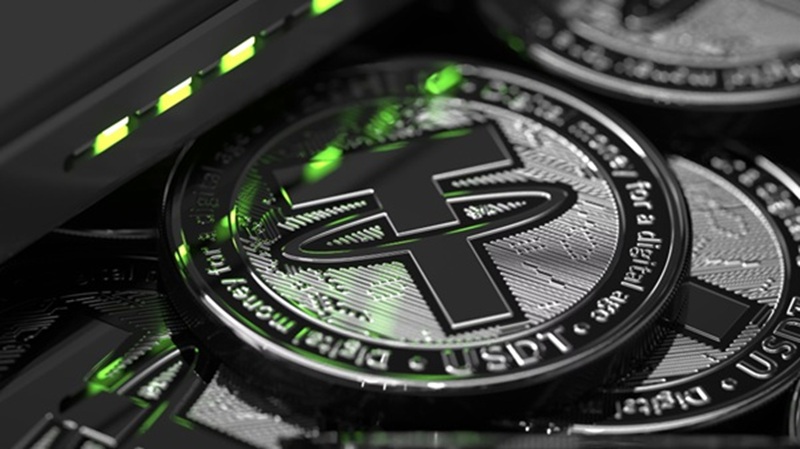
At the center of that strategy is USDT, with the network designed to make recurring payments, remittances and high-frequency transfers more predictable and efficient. The distinction matters because general-purpose blockchains often force payment applications to operate within infrastructure designed for a much broader range of activities.
Variable transaction fees, fluctuating network demand and complex execution environments can create friction for businesses that need to move stablecoins repeatedly and at scale. StableChain is designed to address those constraints by controlling more of the transaction lifecycle.
Register for the next Tekedia Mini-MBA.
Register for Tekedia AI in Business Masterclass.
Join Tekedia Capital Syndicate and co-invest in great global startups.
Its architecture combines several specialized components. StableBFT, a delegated Proof-of-Stake consensus mechanism derived from CometBFT, provides the foundation for network consensus and deterministic execution.
On top of that sits an EVM-compatible execution environment, allowing developers familiar with Ethereum tooling and smart contracts to build within the network without abandoning established development practices.
Storage is another important part of the design. StableChain uses a dual-database architecture optimized for frequent state access, reflecting the demands of payment infrastructure where balances, transactions and account states may need to be queried and updated continuously.

Dedicated RPC infrastructure further supports the network by giving applications more direct access to blockchain data and transaction submission. Perhaps the clearest expression of StableChain’s payment-first philosophy is its approach to transaction fees.
Gas is denominated in stablecoins rather than a volatile native asset. For businesses, this can make transaction costs easier to understand and budget. A payment processor or remittance platform dealing with thousands of transfers does not necessarily want its operating expenses to change because the market price of a blockchain’s gas token has moved sharply.
Stable launched its mainnet in December 2025 alongside STABLE, its native governance and staking token. While STABLE has a role within the network’s economic and governance structure, the broader strategy is centered on stablecoin-based activity rather than treating token speculation as the primary product.

That strategy extends beyond the base blockchain. Stable is developing payment-focused products such as StablePay and StableEarn while pursuing institutional integrations and programmatic payment infrastructure.
The objective is to create an ecosystem in which stablecoins can move through financial applications with fewer infrastructure layers between the user and the settlement rail.
The opportunity is tied to the growing role of stablecoins in digital payments. USDT already functions as a major dollar-denominated settlement instrument across crypto markets, remittances and cross-border transactions.
If stablecoin adoption expands further, specialized networks could compete by offering infrastructure tailored specifically to these flows. StableChain’s differentiation, therefore, is less about claiming to be the most programmable blockchain and more about optimizing the parts of blockchain infrastructure that payment applications actually depend on.
Consensus, execution, storage, RPC access and fee design are treated as components of one settlement system. The larger question is whether specialization can become an advantage as stablecoin payments mature.
StableChain is effectively betting that the future of blockchain infrastructure will not be defined solely by general-purpose programmability, but also by networks purpose-built for predictable, scalable financial settlement.