

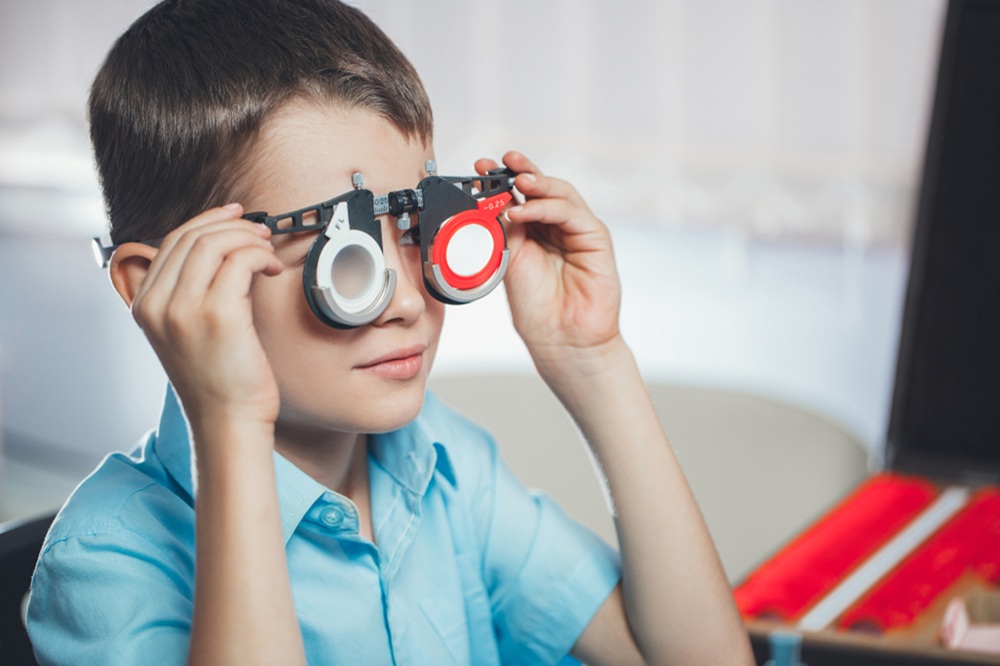
The early months of a child’s life are filled with quiet milestones that parents learn to recognize over time. A baby begins to look at faces, react to light, follow movement, and slowly become more aware of the world around them. These moments may seem small, but they play a major role in growth and learning. That is why changes in visual behavior can feel so concerning. In some cases, families dealing with vision impairment birth injuries begin noticing that their child does not respond to visual cues in the expected way. Recognizing these early symptoms can help parents seek answers, support, and timely medical care.
Why Vision Matters So Much in Early Childhood
Vision supports far more than the ability to see objects clearly. It helps babies connect with people, understand movement, and build coordination. A child uses vision while reaching for a toy, turning toward a familiar face, or learning to move safely through space.
Vision and Brain Development Work Together
The eyes and brain work as a team. Even if the eyes appear healthy, a child may still have trouble processing visual information if the brain has been affected. This can happen in some birth-related injuries involving oxygen loss, trauma, or neurological damage. As a result, a baby may not respond visually in ways that seem typical for their age.
Early Symptoms Parents May Notice in Babies
Some signs of vision problems can appear within the first months of life. These signs may not always be dramatic, which is one reason they are sometimes overlooked in the beginning.
Trouble Making Eye Contact
Many babies begin looking at faces early on. If a baby rarely makes eye contact or seems to look past people instead of at them, parents may start to wonder whether something is off.
Difficulty Following Movement
A baby should slowly begin tracking movement with their eyes. A child who does not follow a moving toy, a parent’s face, or light across the room may need closer evaluation.
Unusual Eye Movements
Some babies show shaky, wandering, or jerking eye movements. Others may seem unable to focus steadily. Eyes that frequently cross or do not appear aligned can also be a sign that more attention is needed.
Light Sensitivity or Visual Discomfort
A baby who seems unusually bothered by light, keeps the eyes closed often, or becomes upset in bright spaces may also be showing a visual concern.
Symptoms That May Become Clearer in Young Children
As babies grow into toddlers, vision problems may show up in new ways. A child may not be able to explain what they are seeing, so behavior often becomes the clearest clue.
Frequent Bumping or Poor Spatial Awareness
A young child with limited vision may bump into furniture, miss steps, or seem unsure while moving through familiar spaces.
Trouble With Hand-Eye Coordination
Activities such as reaching, stacking blocks, turning pages, or picking up small toys may be more difficult if the child cannot clearly judge distance or focus well.
Head Tilting or Close Viewing
Some children tilt their heads often, hold objects very close, or lean in unusually near to screens, books, or toys. These habits may suggest that the child is trying to see more clearly.
Limited Interest in Visual Play
A child who avoids picture books, does not respond much to visual games, or seems less engaged with colorful toys may also be showing signs of visual difficulty.
How Vision Problems Can Affect Development
Vision plays a major role in learning, movement, and communication. A child who cannot clearly process visual information may face challenges that go beyond eyesight alone.
Developmental Skills Can Be Affected
Visual difficulties can influence balance, coordination, language growth, and social interaction. A child may take longer to explore the environment, respond to facial expressions, or build confidence in movement. These delays do not always point to one single cause, but vision is often an important part of the bigger developmental picture.
For families facing vision impairment birth injuries, these concerns may become part of a much broader effort to understand how the child is learning and what support may be needed.
Why Early Evaluation Matters
The earlier a vision problem is recognized, the sooner parents can begin getting the right help. Pediatricians, eye specialists, neurologists, and therapists may all play a role in understanding what is affecting the child’s vision.
Early Support Can Make a Real Difference
Treatment may involve eye exams, developmental assessments, therapy, and visual support strategies. Some children need help with tracking, coordination, or sensory learning. Early intervention can help build stronger skills during a very important stage of growth.
Paying Attention Early Can Help Protect Progress
Parents often notice the first signs before anyone else. A baby who avoids eye contact, does not track movement, or reacts differently to the world may be showing an early need for support. Not every delay means a serious condition, but repeated visual concerns should never be brushed aside. Careful observation, timely evaluation, and proper support can help a child build skills more confidently. Those early clues may seem small at first, but they can open the door to answers that make a meaningful difference in development over time.