

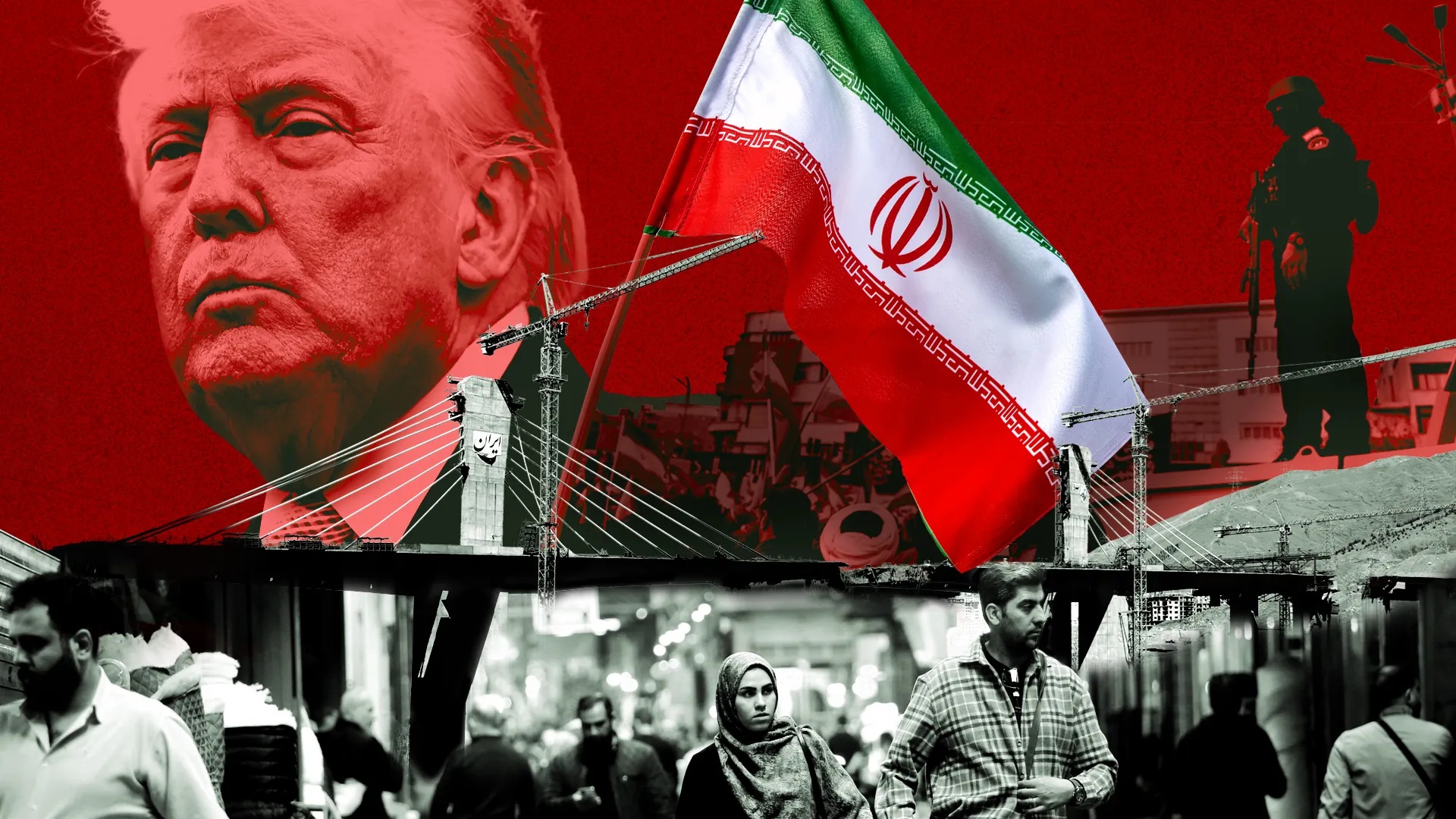
The prospect of a 10-day ceasefire between the United States and Iran has emerged as a significant diplomatic development, offering a rare opportunity to de-escalate one of the world’s most volatile geopolitical confrontations.
Mediators from regional and international powers are reportedly working behind the scenes to establish a temporary halt in hostilities, aiming to create space for dialogue and prevent a broader conflict that could destabilize the Middle East and the global economy.
The tensions between Washington and Tehran have intensified in recent months following military strikes, retaliatory actions, and growing concerns over maritime security in the Persian Gulf and the Strait of Hormuz.
The strategic waterway, through which a significant portion of the world’s oil supply passes, has become a focal point of international concern. Any prolonged military confrontation in this region carries the risk of disrupting global energy markets, triggering inflationary pressures, and increasing uncertainty across financial systems.
Register for the next Tekedia Mini-MBA.
Register for Tekedia AI in Business Masterclass.
Join Tekedia Capital Syndicate and co-invest in great global startups.
A 10-day ceasefire, though temporary, could serve several important purposes. First, it would allow both nations to reassess their military positions and reduce the immediate risk of miscalculation.
History has shown that conflicts often escalate not only because of deliberate actions but also due to misunderstandings, accidental engagements, and the pressure of rapid retaliatory cycles. By creating a short period of calm, diplomats may be able to prevent a dangerous spiral into a larger regional war.
Secondly, the ceasefire could open channels for humanitarian efforts and confidence-building measures. Regional allies and international organizations may use this period to facilitate prisoner exchanges, provide aid to affected populations, and establish frameworks for future negotiations.

Such measures, although modest, often play a crucial role in laying the groundwork for more comprehensive peace discussions.
The involvement of mediators highlights the growing concern among global powers regarding the consequences of continued hostilities.
Nations across Europe, the Gulf region, and Asia have substantial economic and security interests tied to stability in the Middle East. Energy-importing countries are particularly sensitive to disruptions in oil supply, while neighboring states fear that an expanded conflict could spill across borders and threaten regional security architectures.
Financial markets are also closely monitoring the situation. Escalating tensions between the United States and Iran have historically resulted in spikes in oil prices, increased market volatility, and a flight toward safe-haven assets such as gold and government bonds.

Investors are likely to view a successful ceasefire as a positive signal that could temporarily reduce geopolitical risk premiums and stabilize commodity markets.
The challenges facing negotiators remain considerable. Deep-rooted mistrust, conflicting strategic objectives, and domestic political pressures in both countries could undermine the sustainability of any agreement.
A temporary ceasefire does not automatically resolve the underlying issues that have defined U.S.-Iran relations for decades, including disputes over regional influence, security concerns, sanctions, and nuclear ambitions.
Even a brief pause in hostilities would represent an important diplomatic achievement. It would demonstrate that dialogue remains possible despite heightened tensions and could provide a foundation for broader negotiations in the future.
The coming days will therefore be critical in determining whether this proposed 10-day ceasefire becomes merely a short-lived reprieve or the beginning of a more meaningful effort toward reducing one of the world’s most persistent geopolitical rivalries.
As mediators continue their efforts, the international community will be watching closely, hopeful that diplomacy can prevail over escalation and that a temporary ceasefire may pave the way for longer-term regional stability.