

Bitcoin’s resurgence above the $66,000 mark for the first time since June 15 signals a renewed wave of optimism across the digital asset market.
The move comes after weeks of volatility and cautious sentiment that had dominated cryptocurrency trading. Investors are once again showing confidence in risk assets, driven by improving macroeconomic conditions, increasing institutional participation, and growing demand for digital investment products.
The return of Bitcoin above $66,000 is significant because it demonstrates the resilience of the leading cryptocurrency.
Over the past month, Bitcoin faced pressure from profit-taking activities, concerns surrounding monetary policy, and geopolitical uncertainties. The latest rally suggests that market participants continue to view Bitcoin as a long-term store of value and a key asset in diversified investment portfolios.
Register for the next Tekedia Mini-MBA.
Register for Tekedia AI in Business Masterclass.
Join Tekedia Capital Syndicate and co-invest in great global startups.
Institutional interest remains one of the strongest catalysts behind Bitcoin’s recovery. Since the approval of spot Bitcoin exchange-traded funds (ETFs), traditional investors have gained easier access to cryptocurrency exposure without directly holding digital assets.
These products have attracted billions of dollars in capital and have significantly changed the structure of the crypto market. The increasing integration of digital assets into traditional finance is gradually reducing skepticism and encouraging broader adoption among institutional investors.
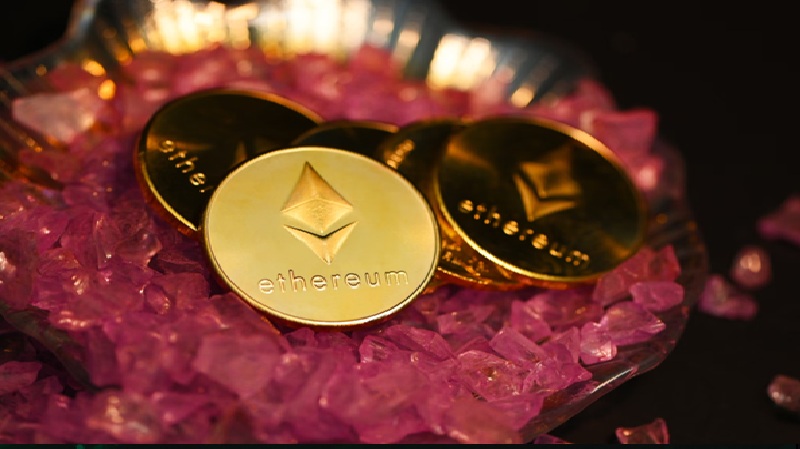
While Bitcoin’s rise has captured headlines, Ethereum has also emerged as a major beneficiary of renewed market enthusiasm. In a notable development, Bitmine announced the addition of approximately $14 million worth of Ethereum to its holdings.

This move reflects growing confidence in Ethereum’s long-term prospects, particularly as the network continues to dominate decentralized finance, tokenization initiatives, and smart contract applications.
The decision by Bitmine to increase its Ethereum exposure highlights a broader trend among institutional players. Ethereum is increasingly being viewed not only as a cryptocurrency but also as a foundational infrastructure layer for the future digital economy.
Its ecosystem supports thousands of decentralized applications, stablecoins, tokenized assets, and emerging financial products.
Many investors see Ethereum as a strategic asset capable of benefiting from the continued expansion of blockchain-based services. Perhaps even more noteworthy is the strong performance of spot Ethereum ETFs.

During the latest trading week, spot ETH ETFs led all cryptocurrency investment products in net inflows, surpassing even Bitcoin-focused funds. This development suggests that investor appetite is expanding beyond Bitcoin and that Ethereum is increasingly being recognized as a critical component of institutional crypto portfolios.
The surge in inflows into Ethereum ETFs may also reflect expectations surrounding future network developments and increased usage across the blockchain industry. Tokenization of real-world assets, stablecoin growth, and decentralized financial services continue to rely heavily on Ethereum’s infrastructure.
Consequently, institutional investors may be positioning themselves early to benefit from these long-term trends. The simultaneous rise of Bitcoin and Ethereum demonstrates the growing maturity of the digital asset market.
Rather than competing directly, the two largest cryptocurrencies are increasingly serving complementary roles. Bitcoin continues to function as digital gold and a macroeconomic hedge, while Ethereum is becoming the technological backbone of blockchain innovation.
As capital flows back into the cryptocurrency sector, market sentiment appears to be shifting from caution to renewed optimism. Bitcoin reclaiming $66,000 and Ethereum attracting record ETF inflows indicate that institutional confidence remains strong despite previous market setbacks.
If these trends continue, the coming months could mark another important chapter in the evolution of digital assets, further accelerating mainstream adoption and reinforcing the role of cryptocurrencies within the global financial system.