

The Trump administration has sent Iran a 15-point plan aimed at ending the ongoing war in the Middle East, now in its fourth week. The proposal was delivered via Pakistani intermediaries, with Pakistan’s army chief playing a key role in facilitation.
The full text of the 15 points has not been publicly released, but sources describe its core demands and offers as follows: Nuclear program: Iran must dismantle its three main nuclear facilities (Natanz, Fordow, and Isfahan), end all uranium enrichment on Iranian soil, hand over its stockpile of enriched uranium to the IAEA, and accept unrestricted international monitoring. Zero enrichment in Iran is a central red line.
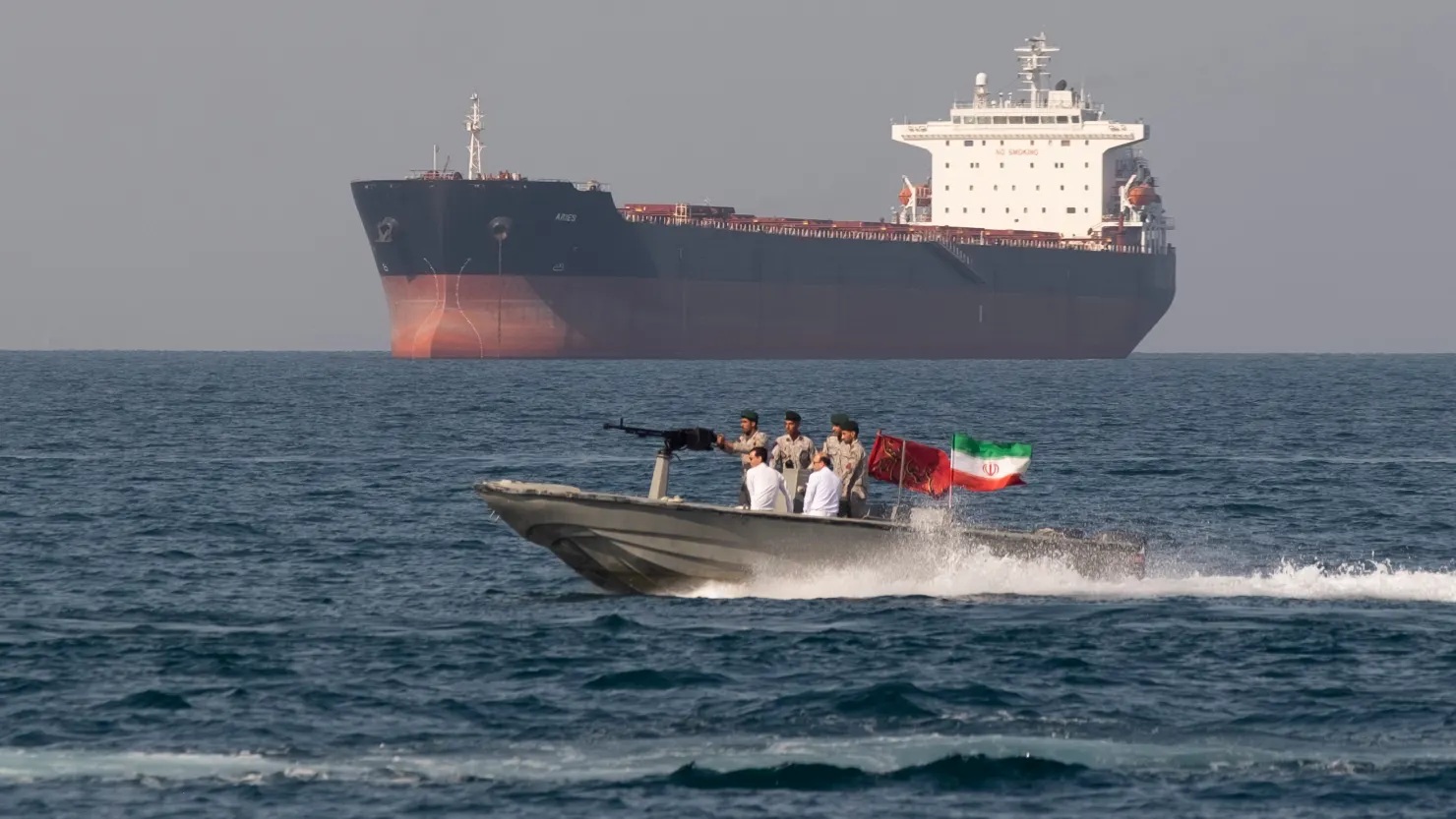
Limits or temporary suspension of Iran’s ballistic missile program, and cessation of support for regional militias/proxies in the Gulf and beyond. Strait of Hormuz: Guarantees for free and open shipping, including for non-hostile oil vessels, amid recent disruptions.
In exchange (U.S. offers): Lifting of sanctions, support for a civilian nuclear program, security guarantees against future attacks, and removal of the “snapback” mechanism for reimposing sanctions. Some reports mention potential U.S. withdrawal or reduction of certain military bases in the region.
Register for Tekedia Mini-MBA edition 20 (June 8 – Sept 5, 2026).
Register for Tekedia AI in Business Masterclass.
Join Tekedia Capital Syndicate and co-invest in great global startups.
Register for Tekedia AI Lab.
President Trump has emphasized that preventing Iran from acquiring a nuclear weapon is the top priority (“number one, two, and three”), and he has expressed cautious optimism, claiming Iran has agreed to key elements like forgoing nuclear weapons and that talks are underway.
Iran has received the proposal but publicly rejected negotiations while military operations continue. Iranian officials and military spokespeople have dismissed it as “another lie,” “Americans negotiating with themselves,” or unrealistic demands from a “defaulting” party.
Tehran insists on a full end to the war rather than a temporary ceasefire and has denied direct talks. Some Iranian media urge ignoring the plan entirely. The plan builds on earlier U.S. negotiating positions from 2025 nuclear talks and seeks an “offramp” as the conflict’s economic costs mount.
Israel via Netanyahu has expressed concerns that any deal might not fully meet its objectives for neutralizing the Iranian threat. The U.S. is simultaneously reinforcing its military presence in the region (additional troops being deployed), signaling a “carrot and stick” approach.

Pakistan has emerged as a central intermediary and potential host in diplomatic efforts to resolve the ongoing US-Iran conflict, leveraging its geographic proximity to Iran (as a neighbor), longstanding ties with Tehran, and improving relations with the Trump administration.
Multiple reports confirm that the US transmitted its 15-point proposal to Iran through Pakistani channels. Pakistani officials including two cited by the Associated Press stated that the plan was submitted via intermediaries from Islamabad. This includes elements like sanctions relief, civilian nuclear cooperation, curbs on Iran’s nuclear and missile programs, enhanced IAEA monitoring, and guarantees for shipping in the Strait of Hormuz.
Pakistan has shuttled messages between Washington and Tehran since the conflict began (at least half a dozen, according to Pakistani sources). This includes recent exchanges in the past few days. Senior Pakistani officials have facilitated indirect talks, creating space for potential de-escalation amid the war’s economic fallout.
Offer to Host Talks

Pakistani Prime Minister Shehbaz Sharif publicly stated that Pakistan “stands ready and honored” to host “meaningful and conclusive talks” between the US and Iran in Islamabad for a comprehensive settlement. This offer has gained traction, with mediators including Egypt and Turkey discussing possible in-person negotiations there as soon as late this week or Friday.
Pakistan has pitched itself as neutral ground. Army Chief Field Marshal Syed Asim Munir: He has played a pivotal “key interlocutor” role, using his ties to Iranian leadership and a warm personal relationship with President Trump; built through meetings in 2025, including a notable White House lunch. Munir spoke directly with Trump about the Iran war, and he is central to the facilitation efforts. Trump has previously noted that Pakistan “knows Iran very well.”
Prime Minister Shehbaz Sharif: He has engaged in over 30 calls with regional counterparts including Iranian officials and publicly amplified the hosting offer. Sharif also discussed mediation with Saudi Arabia’s crown prince. Pakistan is viewed as one of Iran’s “least adversarial” neighbors, with deep historical, cultural, and people-to-people ties, while also repairing relations with the US under Trump.
It is not directly involved in the fighting and sees diplomatic gains in elevating its regional and global standing. Other actors like Turkey and Egypt are also relaying messages, but Pakistan has taken a more prominent lead in recent days. Iran has received the plan but publicly downplays or rejects direct negotiations, calling it unrealistic or “Americans negotiating with themselves.”
Tehran insists on a full end to hostilities rather than temporary pauses. The US has agreed “in principle” to talks in Pakistan, but the White House describes discussions as “sensitive” and declines to confirm details publicly. Military movements continue alongside diplomacy. No firm agreement on talks or a ceasefire yet; efforts remain preliminary, with a “small window” for progress amid ongoing strikes and high skepticism on the Iranian side.
This mediation push reflects Pakistan’s strategic balancing act in a volatile region. The situation is fluid, with potential for quick developments if Iran softens its stance or if backchannels yield breakthroughs. Other countries are involved in parallel efforts, but Pakistan currently holds the spotlight as the main conduit for the US proposal.