

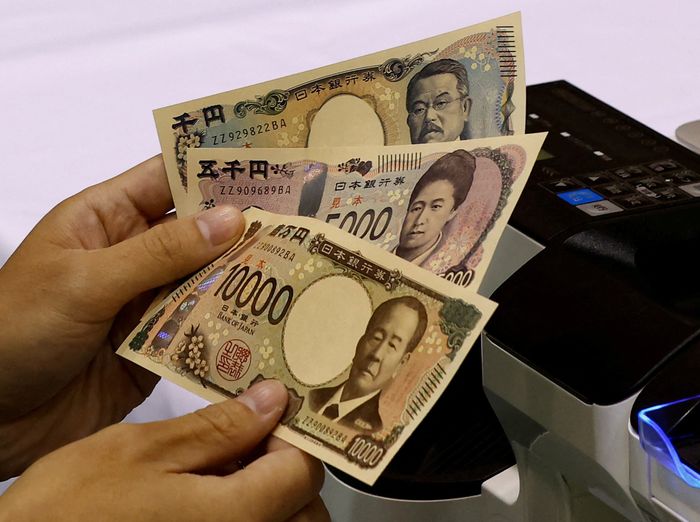
Japan is once again stepping up its warnings against excessive yen weakness as the currency approaches the psychologically important 160-per-dollar level.
However, financial markets appear increasingly unconvinced that Tokyo’s verbal interventions will be enough to reverse the yen’s decline, particularly as the widening monetary policy gap between Japan and the United States continues to favor the dollar.
The dollar climbed to 159.94 yen early Thursday, reaching its highest level in two months. The move followed the release of stronger-than-expected US inflation data, which reinforced expectations that the Federal Reserve could raise interest rates in December.
Register for the next Tekedia Mini-MBA.
Register for Tekedia AI in Business Masterclass.
Join Tekedia Capital Syndicate and co-invest in great global startups.
US consumer prices increased 0.4% month over month in October, exceeding forecasts and strengthening the argument for maintaining a restrictive monetary policy.
The inflation figures have complicated the outlook for the yen because higher US interest rates generally increase the attractiveness of dollar-denominated investments.
When American government bonds offer comparatively stronger returns than Japanese assets, international investors have an incentive to move capital toward the United States. This dynamic increases demand for dollars while placing additional pressure on the yen.

Japan faces a more complicated monetary policy environment. The Bank of Japan has gradually moved away from its longstanding ultra-loose monetary policy, but its approach remains cautious compared with the Federal Reserve.
Although Japanese policymakers have taken steps toward normalizing interest rates, borrowing costs remain relatively low, limiting the yen’s ability to compete with higher-yielding currencies.
The Japanese government has repeatedly expressed concern about rapid and speculative movements in the foreign exchange market. Officials have warned that excessive volatility could trigger decisive action, including direct intervention through the purchase of yen and the sale of dollars.

Japan’s intervention record this year suggests traders are not frightened by verbal warnings alone. Previous episodes of official concern have occasionally produced short-lived recoveries in the yen.
But sustained currency appreciation has remained difficult to achieve while underlying economic and interest rate conditions continue favoring the dollar. This creates a challenging situation for Japanese authorities.
Direct intervention can temporarily disrupt speculative positions and increase the cost of betting against the yen. Intervention is less likely to deliver lasting results without support from broader monetary policy adjustments or a meaningful change in global interest rate expectations.
The 160-yen threshold is important because it represents both a psychological level for currency traders and a potential political problem for Japanese policymakers.
A weaker currency increases the cost of imported energy, food and industrial inputs, placing additional pressure on households and businesses. Japan relies heavily on imported commodities, making exchange rate fluctuations significant for its domestic economy.
A weaker yen can benefit Japanese exporters by making their products more competitive overseas and increasing the value of foreign earnings when converted into domestic currency.
However, these advantages are increasingly offset by higher import costs and pressure on household purchasing power. Looking ahead, the direction of the dollar-yen exchange rate will depend heavily on American inflation.
Federal Reserve policy and the Bank of Japan’s willingness to tighten monetary conditions. If US inflation remains elevated, the dollar could maintain its advantage.
Renewed warnings may slow speculative pressure, but convincing investors that the yen has reached a sustainable turning point will require more than words. Until monetary fundamentals change, traders may continue testing Japan’s willingness to defend its currency.