

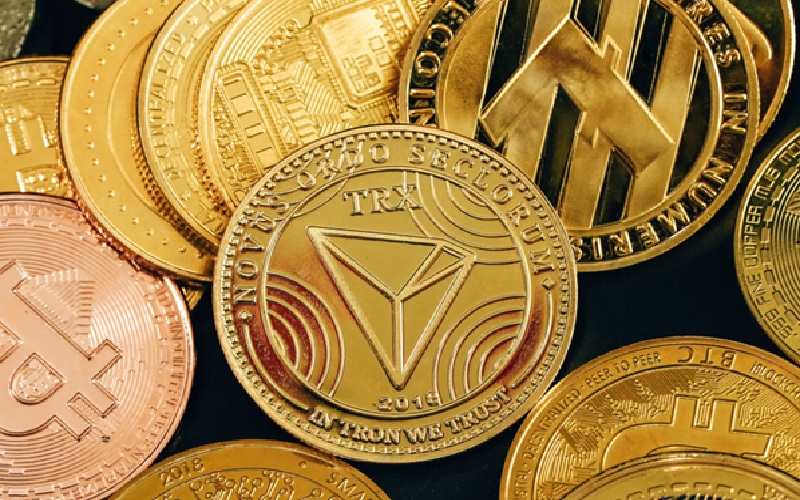
TRON strengthened its position in the cryptocurrency industry during the third quarter of 2026, reportedly settling approximately 73% of all stablecoin transaction volume across blockchain networks.
The figure highlights the network’s growing importance in digital payments, cryptocurrency transfers and global financial infrastructure. As stablecoins become increasingly integrated into everyday transactions, TRON’s dominance demonstrates how blockchain networks are competing to provide faster, cheaper and more accessible financial services.
Stablecoins are cryptocurrencies designed to maintain a relatively stable value, usually by tracking traditional currencies such as the US dollar. Popular examples include Tether’s USDT and Circle’s USDC.
Register for the next Tekedia Mini-MBA.
Register for Tekedia AI in Business Masterclass.
Join Tekedia Capital Syndicate and co-invest in great global startups.
Unlike Bitcoin and other volatile digital assets, stablecoins are primarily used for payments, remittances, trading and preserving value within cryptocurrency markets. Their expanding adoption has made transaction volume an important measure of blockchain activity and economic relevance.
TRON’s reported 73% share of stablecoin settlement volume suggests that it has become a preferred network for moving dollar-linked digital assets. Its popularity is closely associated with USDT, which has established a substantial presence on the blockchain.
Traders, businesses and individual users frequently rely on TRON to transfer stablecoins between exchanges, wallets and payment platforms. One of the network’s principal advantages is its relatively low transaction costs.

Compared with some competing blockchains, TRON can offer economical transfers, making it attractive to users who regularly move small or large amounts of stablecoins. Lower fees are particularly important in emerging markets.
Where digital dollars can provide an alternative means of conducting transactions amid currency volatility, expensive remittance services and limited access to traditional banking.
The network’s performance reflects the broader transformation of stablecoins from cryptocurrency trading instruments into practical financial tools. Digital dollar transfers are increasingly used for international payments, online commerce and cross-border business settlements.

In countries where local currencies experience significant depreciation, stablecoins can help individuals and companies hold dollar-linked assets and move funds across borders without depending entirely on conventional banking infrastructure.
However, transaction volume requires careful interpretation. A blockchain processing most stablecoin transfers does not necessarily mean it controls the same proportion of stablecoin supply, users, economic value or revenue.
High activity can reflect frequent transfers between exchanges and wallets, automated transactions or movements associated with cryptocurrency trading. Sustained settlement activity can demonstrate that a network has developed meaningful utility and attracted participants who depend on its infrastructure.
TRON also faces competition from Ethereum, Solana and other blockchain networks seeking to capture stablecoin payments. Ethereum benefits from its established decentralized finance ecosystem, while Solana attracts users with high throughput and relatively inexpensive transactions.
Layer-two networks are also attempting to reduce costs and improve transaction efficiency. Maintaining leadership will therefore depend on reliability, security, liquidity, regulatory developments and continued demand from stablecoin issuers and users.
Regulatory scrutiny remains another important consideration. Governments worldwide are developing rules for stablecoin issuance, reserves, compliance and cross-border transfers. Stronger oversight could encourage institutional adoption while increasing compliance requirements for service providers and blockchain businesses.
TRON’s reported 73% share of third-quarter stablecoin volume underscores its importance in the digital dollar economy. If the network sustains this activity, it could strengthen its role as a major settlement layer for global cryptocurrency payments.
Yet lasting success will depend not simply on transaction volume, but on genuine economic utility, user trust, security and the ability to adapt as competition and regulation reshape the stablecoin market.