

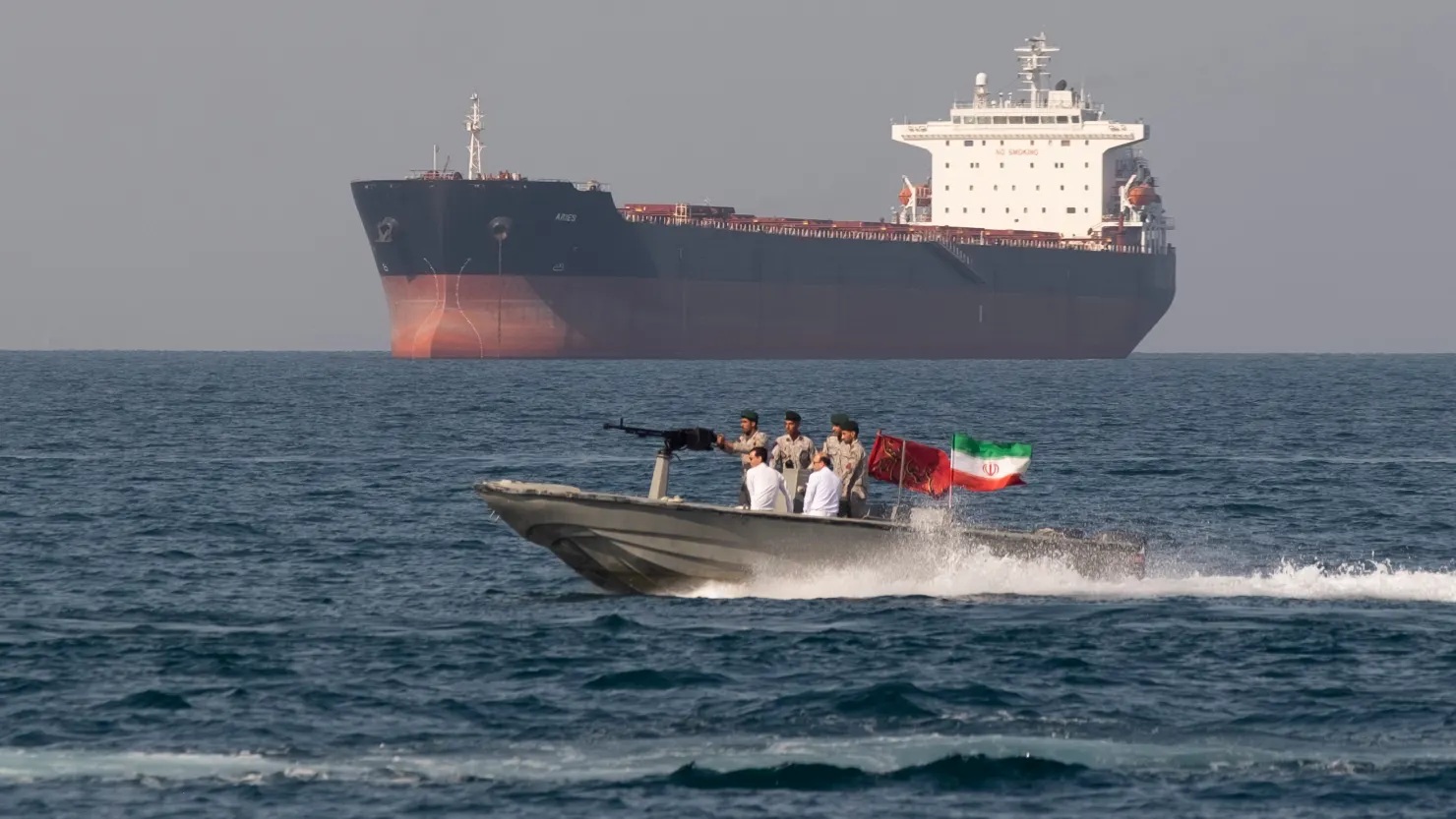
President Donald Trump has directed the U.S. government to extend political risk insurance for maritime trade in the Gulf and signaled that the U.S. International Development Finance Corporation will offer guarantees for tankers, especially those carrying energy, to help keep oil and gas moving through the region’s key shipping routes.
In a Truth Social post, he also stated that if required, the United States Navy would begin escorting oil tankers through the Strait of Hormuz “as soon as possible,” pledging to ensure the “FREE FLOW of ENERGY to the WORLD.”
The policy aims to stabilize global energy flows by reducing the perceived risk for shipping firms and reassuring markets amid intense Middle East tensions. However, given the speed and severity of recent developments — including Iran’s threats and actions targeting Gulf energy infrastructure — many analysts and market participants have expressed skepticism that such measures alone will prevent a broader oil crisis.
Register for Tekedia Mini-MBA edition 20 (June 8 – Sept 5, 2026).
Register for Tekedia AI in Business Masterclass.
Join Tekedia Capital Syndicate and co-invest in great global startups.
Register for Tekedia AI Lab.
Escalating Conflict and the Resulting Disruptions
The broader context is a rapidly intensifying conflict centered on Iran and its retaliation to U.S. and Israeli military strikes. Iran has threatened to attack ships trying to transit the Strait of Hormuz and has effectively crippled tanker traffic in the corridor, which normally channels about one-fifth of the world’s oil and gas exports. Commercial carriers, including Maersk and other major operators, have largely suspended transit through the strait, and vessel movements have dropped sharply as insurers cancel or sharply repriced war-risk coverage, pushing some premiums up by 50% to 100% or more.
In recent days, Iran has also expanded its strikes to energy facilities in Qatar and Saudi Arabia, including attacks on Qatar’s LNG terminals and Saudi refining infrastructure, prompting shutdowns of some production and fueling fears of broader damage to infrastructure that supports export capacity.
Market indicators reflect the mounting disruption. Brent crude prices have surged over 7% — reaching highs not seen since mid-2024 — and natural gas prices in Europe and Asia have spiked due to interrupted LNG flows. Global stock markets have reacted negatively, with major indices sliding and commodities traders pricing in tighter supplies.

Limits of Escorts and Insurance
While political risk insurance and naval escorts are significant signals that Washington may be prepared to underwrite commercial navigation risks, analysts caution that such measures may not be sufficient under current conditions.
The risk insurance initiative could lower some cost concerns for shipping lines, but many insurers have already pulled war-risk coverage entirely as the threat environment escalated, effectively leaving carriers exposed if they transit high-risk waters. That withdrawal has already prompted rerouting of traffic around Africa, adding weeks to voyages and dramatically raising freight costs.
Naval escorts could help protect sanctioned routes in theory, but the threat environment is far more complex now. Iran’s Revolutionary Guard has publicly warned that any ship attempting to pass through the strait could be attacked, and some vessels have already suffered damage from projectiles. In such an environment, escorts could lead to direct confrontation with Iranian forces, risking broader escalation.

Moreover, experts note that even if U.S. warships provide protection, the underlying insurance and logistics challenges remain. Freight rates have surged to record levels, and rerouted shipping via the Cape of Good Hope adds high cost and delay — factors that naval escorts alone cannot eliminate.
Structural Energy Market Risks
The dispute has crossed a threshold from isolated strikes to systemic risk for global energy supply chains. Even before direct strikes on infrastructure, the mere threat of disruption has led many shippers to suspend routes and hedgers to bid up crude and gas futures.
Economists warn that a prolonged effective closure of the strait — or sustained attacks on production and export infrastructure — could push prices well above $100 per barrel and tighten supplies for weeks or months. That kind of contraction in throughput could elevate fuel costs worldwide, heighten inflationary pressures, and slow economic growth.
Some pipelines from Gulf producers such as Saudi Arabia and the United Arab Emirates offer partial alternatives to Hormuz, but they cannot fully replace the volumes normally exported by tanker, and rerouting cannot compensate entirely for lost marine transit capacity.
Even with U.S. naval involvement and government-backed insurance, the conflict’s scope suggests that logistical, political, and market pressures may persist. Naval escorts might protect individual vessels at sea, but they do not by themselves restore investor confidence, unfreeze shipping lanes, or reverse skyrocketing insurance and freight costs. The reopening of Hormuz traffic likely depends on the de-escalation of hostilities, negotiation between belligerents, and a reduction in threats against commercial ships.
Energy markets are already pricing in significant risk premiums, and experts caution that the longer these disruptions endure, the greater the likelihood of a broader oil supply shock and global economic impact.