

Donald Trump renewed his call for immediate interest-rate cuts on Thursday as surging oil prices tied to the escalating war with Iran began reshaping expectations for U.S. monetary policy.
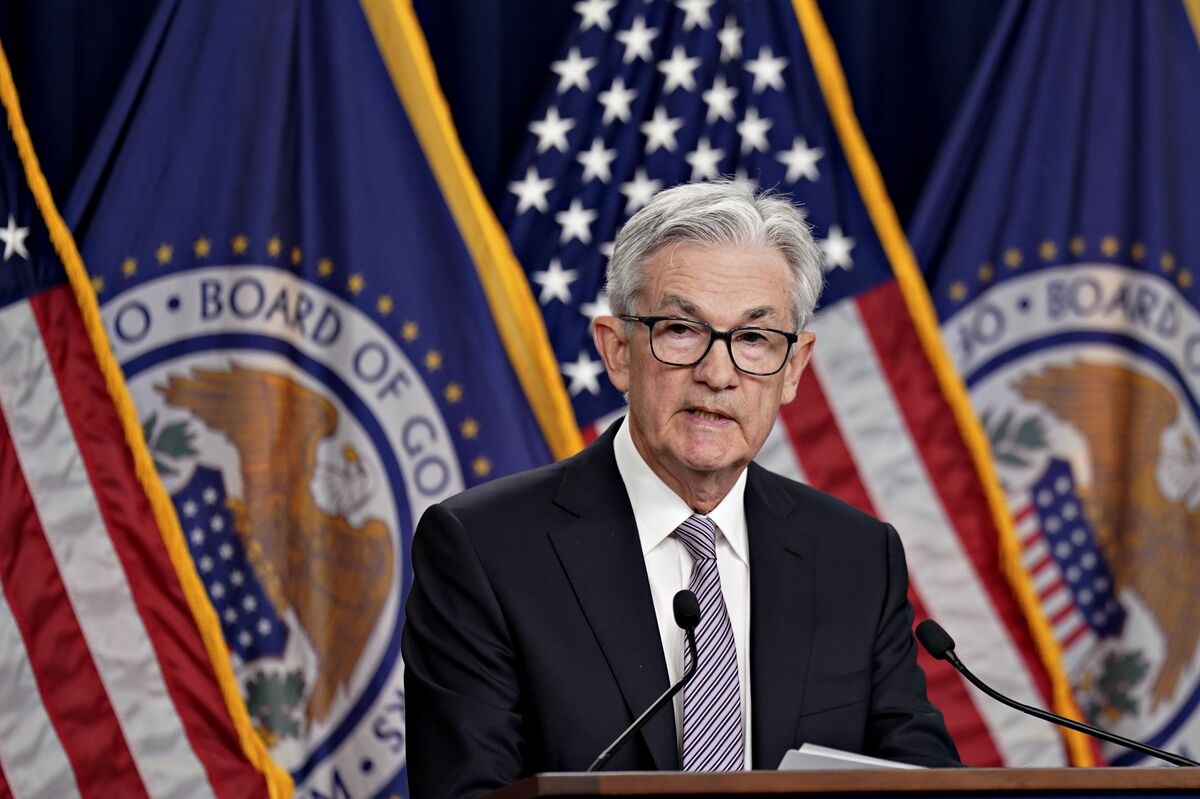
“He should be dropping Interest Rates, IMMEDIATELY,” Trump wrote on Truth Social, directing the message at Jerome Powell, chair of the Federal Reserve.
The public pressure comes as the conflict in the Middle East injects fresh uncertainty into the global inflation outlook, complicating the central bank’s path toward easing borrowing costs.
Register for Tekedia Mini-MBA edition 20 (June 8 – Sept 5, 2026).
Register for Tekedia AI in Business Masterclass.
Join Tekedia Capital Syndicate and co-invest in great global startups.
Register for Tekedia AI Lab.
Markets Shift Away From Rate Cuts
Since the United States and Israel launched strikes on Iran on February 28, financial markets have sharply revised their expectations for U.S. interest-rate policy.
Before the conflict began, traders had expected the Fed to deliver two quarter-percentage-point rate cuts by the end of the year. Now, interest-rate futures markets are barely pricing in one reduction, underscoring how quickly sentiment has changed. The shift follows a familiar dynamic in global markets: geopolitical shocks that disrupt energy supply often push oil prices higher, and that feeds directly into inflation.
For the Federal Reserve, which is attempting to bring inflation back toward its 2% target, a new oil-driven price surge could delay any move toward looser policy.

Energy markets have been roiled by the war’s impact on shipping through the strategically critical Strait of Hormuz, a narrow maritime corridor that carries roughly one-fifth of the world’s oil supply.
Iran’s new supreme leader, Mojtaba Khamenei, said Thursday that the passage would remain closed, intensifying concerns about global supply shortages. The statement helped drive crude prices higher, with West Texas Intermediate crude settling at $95.70 per barrel, close to levels not seen in several years.
Energy economists say that if disruptions persist, the resulting supply shock could ripple through transportation, manufacturing, and agriculture, lifting prices across a wide swath of the global economy.

Oil’s importance in the global economy means that higher crude prices rarely remain confined to the energy sector. More expensive oil typically leads to higher gasoline and diesel prices, raising transportation costs for companies and pushing up the cost of shipping goods.
Those higher logistics expenses eventually filter into the prices consumers pay for everything from groceries to manufactured products. Food prices could face additional pressure because the Strait of Hormuz is also a critical route for fertilizer shipments, an essential input for global agriculture.
Disruptions in fertilizer supply can quickly affect crop production costs, increasing the likelihood of higher food inflation worldwide.
Inflation Outlook Worsens
Economists are already adjusting their forecasts.
Analysts at Goldman Sachs said Thursday that they now expect the Fed’s preferred inflation gauge, the Personal Consumption Expenditures Price Index, to rise to 2.9% by December, well above the central bank’s long-term target.
The bank has also pushed back its forecast for the Fed’s next rate cut to September, from June previously, citing the risk that sustained energy price increases could slow the disinflation process. Such a delay would reinforce the “higher-for-longer” interest-rate environment that has weighed on housing, corporate borrowing, and consumer spending over the past two years.
Leadership Change Adds Another Layer Of Uncertainty
The policy debate is unfolding just weeks before a leadership transition at the Federal Reserve. Trump has nominated former Fed governor Kevin Warsh to succeed Powell when the current chair’s leadership term ends in mid-May. Warsh is widely viewed by investors as more open to cutting interest rates.
Even so, the surge in oil prices may limit how quickly the central bank can pivot toward easier monetary policy. Historically, the Fed has been cautious about lowering rates during periods of energy-driven inflation because doing so risks amplifying price pressures.
However, the clash between political calls for lower borrowing costs and market expectations of sustained inflation is seen as a sign of how the Iran conflict is beginning to reshape the global economic outlook.
Economists warn that if energy prices continue climbing and supply disruptions intensify, the war could force central banks around the world to maintain tighter monetary policies than previously expected. For businesses and consumers already grappling with elevated borrowing costs, that would mean a longer period of expensive credit and persistent price pressures.