

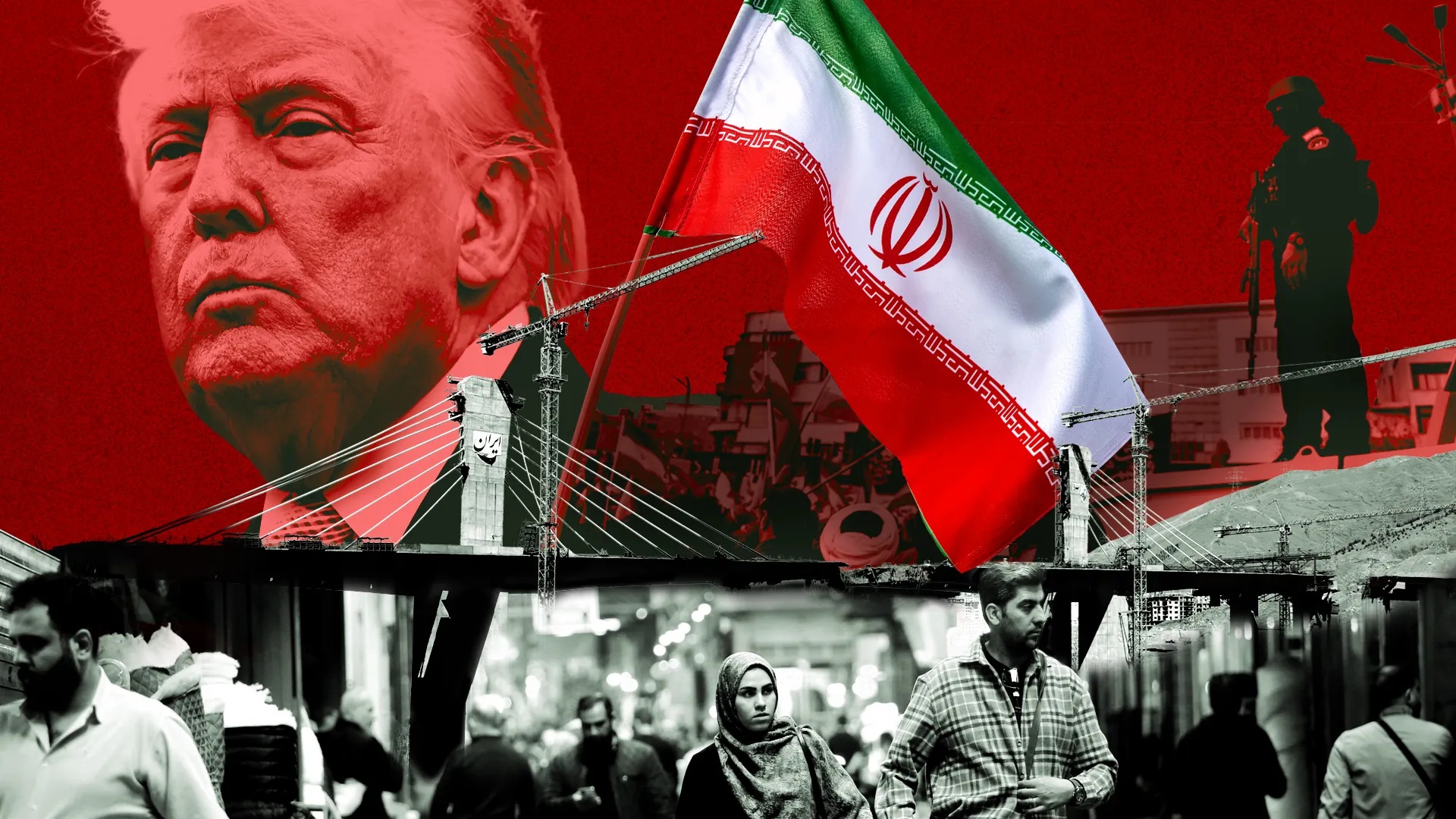
Hopes for a breakthrough in the months-long U.S.-Iran crisis surged over the weekend after President Donald Trump declared that a peace agreement would be signed on Sunday and that the strategically vital Strait of Hormuz would immediately reopen to international shipping.
However, conflicting signals from Tehran underpin the fragility of the diplomatic process and highlight how much remains at stake for global energy markets and regional stability.
In a post on Truth Social, Trump said an agreement ending the conflict was scheduled to be finalized within 24 hours and would pave the way for the reopening of the Strait of Hormuz, through which roughly one-fifth of the world’s oil supplies and a substantial portion of global liquefied natural gas shipments normally transit.
Register for the next Tekedia Mini-MBA.
Register for Tekedia AI in Business Masterclass.
Join Tekedia Capital Syndicate and co-invest in great global startups.
“The Deal is scheduled to get signed tomorrow, and immediately after it is signed, the Hormuz Strait is OPEN TO ALL,” Trump wrote.
The president also suggested that the agreement would eventually include arrangements related to Iran’s nuclear program, including the removal of enriched uranium from the country.
“At the appropriate time, when all is calm, we will go in and get the Nuclear Dust, buried deep under the powerful sunken granite mountains,” Trump said, without providing further details.

The comments came as the strongest indication yet from Washington that negotiations brokered through Pakistan may be nearing completion. However, they also reveal that key issues surrounding Iran’s nuclear infrastructure remain unresolved and could become a source of future tension even if a ceasefire agreement is reached.
Tehran urges caution
Despite Trump’s confidence, Iranian officials offered a far more restrained assessment. Iranian Foreign Ministry spokesman Esmaeil Baghaei told state media that reports of an imminent signing should be treated cautiously.
According to Iranian state media, Baghaei said the signing of the so-called Islamabad memorandum would not take place on Sunday, although he did not rule out an agreement being finalized in the coming days.

“We will have to wait and see about the exact date of the signing of the memorandum of understanding, although it will not be tomorrow,” he was quoted as saying.
He added that Iran remained cautious because of what he described as hesitation from the other side.
The differing public positions suggest that while broad outlines of a deal may have been agreed upon, negotiators are still working through technical and political details. That uncertainty was reinforced by a senior Trump administration official who said on Friday that Washington was not “100%” confident the agreement would ultimately be signed.
Since fighting erupted earlier this year, shipping through the Strait of Hormuz has been repeatedly disrupted, sending shockwaves through global energy markets and raising fears of supply shortages. The narrow waterway between Iran and Oman is one of the world’s most important energy chokepoints. Major producers, including Saudi Arabia, Iraq, Kuwait, the United Arab Emirates, and Qatar, depend heavily on the route to export crude oil and natural gas.
Sustained closure of the waterway has disrupted global supply chains, pushing up energy prices and complicating inflation-fighting efforts by central banks around the world.
The conflict has already reshaped trade flows. Countries such as India have sharply increased imports of U.S. liquefied natural gas and liquefied petroleum gas as Gulf shipments became less reliable. Asian buyers have also sought alternative energy sources to reduce exposure to disruptions in the region.
A confirmed reopening of Hormuz would likely ease supply concerns, lower shipping insurance costs, and reduce the geopolitical risk premium embedded in oil prices.
Officials familiar with the discussions have indicated that economic incentives form a central pillar of the proposed agreement. According to U.S. officials, the framework would provide Iran with significant economic relief in exchange for commitments aimed at reducing regional tensions and addressing concerns surrounding its nuclear activities.
For Iran, whose economy has faced years of sanctions, restricted energy exports, and limited access to international financial systems, economic relief could represent a major incentive to finalize the agreement.
But a deal would allow the Trump administration to claim a significant foreign policy victory while reducing risks to global energy markets and easing concerns among U.S. allies in the Middle East.
Pakistan emerges as a key mediator
Pakistan has emerged as a central diplomatic channel between Washington and Tehran. Prime Minister Shehbaz Sharif said Saturday that the two sides were closer to an agreement than at any previous point in the negotiations. Sharif indicated that a final accord could be completed within 24 hours, followed by technical discussions next week aimed at implementing the framework.
Meanwhile, Pakistan’s Deputy Prime Minister Mohammad Ishaq Dar said he had discussed the negotiations with Faisal bin Farhan Al Saud, with both sides expressing hope that the agreement would contribute to long-term regional stability.
The involvement of Pakistan and Saudi Arabia has supported broader regional efforts to prevent the conflict from escalating into a wider confrontation that could destabilize energy markets and disrupt economic growth across the Middle East and Asia.
Financial markets are likely to remain cautious until a formal agreement is signed. Oil traders, shipping companies, and investors have repeatedly reacted to conflicting headlines during the negotiations, causing sharp swings in crude prices and risk sentiment.