

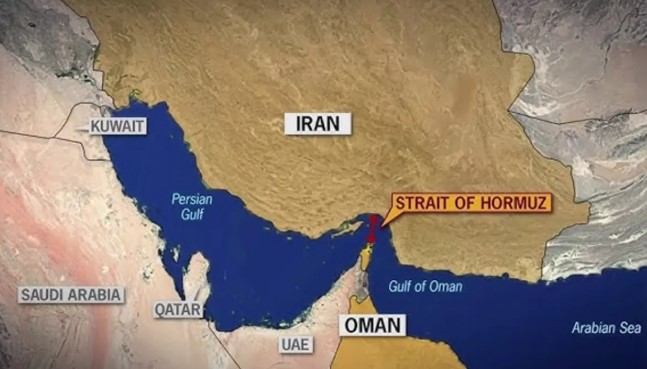
The US under President Trump and Israel initiated major military strikes on Iran starting February 28, 2026, which escalated into an ongoing war. In direct response, Iran effectively closed or severely restricted the Strait of Hormuz, the critical chokepoint through which roughly 20% of global oil and significant LNG supplies normally flow.
Shipping traffic has plummeted to near-zero for Western-aligned vessels and often overall, with reports of only a handful of transits per day at best—sometimes as low as one. Iran has declared the strait open under “special conditions” but closed to US, Israeli, and allied/enemy ships, threatening attacks via missiles, drones, speedboats, or mines on any attempting passage.
This has caused oil prices to surge well above $100/barrel, prompted massive strategic reserve releases, and created broader supply chain ripples affecting energy, metals, agriculture, and more. Trump has repeatedly claimed decisive military success—describing Iran’s military as “decimated,” its navy destroyed, and little left to target—while pushing for a quick resolution.
Register for Tekedia Mini-MBA edition 20 (June 8 – Sept 5, 2026).
Register for Tekedia AI in Business Masterclass.
Join Tekedia Capital Syndicate and co-invest in great global startups.
Register for Tekedia AI Lab.
He has urged and pressured allies, NATO partners, China, Japan, South Korea, France, the UK, and others to send warships to secure and reopen the strait, framing it as essential for global energy security and warning of consequences. However, responses have been tepid or non-committal so far, with reluctance to escalate into direct naval confrontation.
Iran’s side—via statements from the new Supreme Leader Mojtaba Khamenei, IRGC officials, and others—has insisted the closure and blockade remains a key leverage tool against “enemies” and aggressors. They reject unconditional surrender demands, refuse to reopen for US and allied traffic without concessions like US withdrawal from the region, and show no immediate signs of backing down.
Some Iranian diplomats have downplayed a total closure while defending the right to secure the waterway, but on-the-ground reality is de facto disruption. Without the strait reopening, Trump lacks a clear “victory” moment to declare—especially as global economic pain mounts; higher fuel/food prices, stalled shipping, etc. and the war’s costs climb already ~$12 billion for the US in the first weeks.
This removes an easy off-ramp, increasing pressure for further escalation; direct US Navy escorts, mine-clearing ops, strikes on IRGC assets in/near the strait, or broader coalition action to force it open. Analysts note Iran has incentives to limit total disruption (they need oil revenue too), but current statements point to persistence.

Partial reopening or selective exemptions for non-Western ships like China/India have been floated but aren’t resolving the core impasse. The conflict shows no quick end in sight, with risks of spillover into Lebanon/Hezbollah, Gulf attacks and economic fallout continuing to build.
Higher fuel, shipping, and freight costs are pushing up consumer prices across the board. Analysts warn of 2–2.5 percentage point global inflation increases in prolonged scenarios, with stagflation risks (high inflation + slowed growth) reminiscent of the 1970s oil shocks.
Global GDP hit: Estimates range from $330 billion (short disruption) to $2.2 trillion (3–6 months of severe closure), with Gulf economies potentially down 22%. Net oil importers (Asia, Europe) face the heaviest burdens—e.g., mass disruptions in Asian economies within days, weaker trade balances, currency pressures, and reduced manufacturing.
Gasoline prices have jumped sharply; +65 cents/gallon or more since late February, with averages pushing toward $4+ in many areas; diesel potentially $4.50–$5. This raises costs for transport, goods, heating, and electricity, contributing to a moderate stagflationary drag. Stock markets show volatility, with safe-haven shifts (gold, yen, Swiss franc).

Supply chain ripples: Shipping insurance rates have skyrocketed, rerouting adds delays/costs, and sectors like autos, metals, agriculture, and aviation feel the pain. A prolonged halt could tip vulnerable economies into recession.