

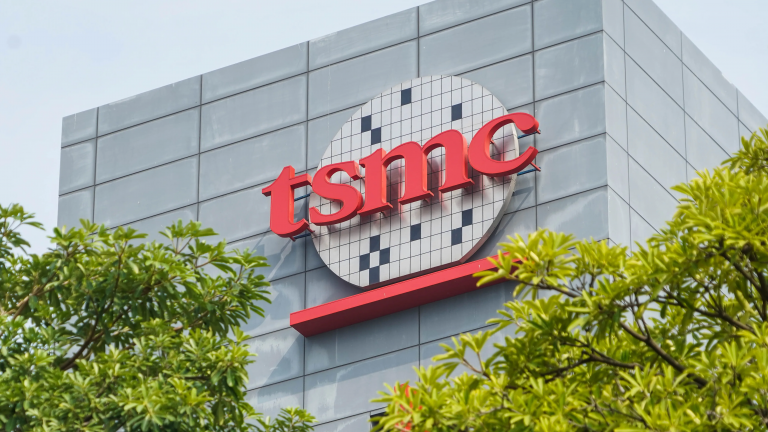
The Trump administration has announced a multibillion-dollar trade and investment pact with Taiwan, marking one of the most ambitious attempts yet to reconfigure global semiconductor supply chains.
Under the deal announced Thursday by the U.S. Department of Commerce, Taiwanese semiconductor and technology companies will invest $250 billion directly into the U.S. semiconductor ecosystem. The investments are expected to span advanced chip manufacturing, supporting energy infrastructure, and artificial intelligence production and innovation.
In addition, Taiwan will provide another $250 billion in credit guarantees to back further U.S.-based investments by these firms, effectively doubling the headline figure tied to the agreement, though the precise timetable for deploying the capital remains undefined.
Register for Tekedia Mini-MBA edition 20 (June 8 – Sept 5, 2026).
Register for Tekedia AI in Business Masterclass.
Join Tekedia Capital Syndicate and co-invest in great global startups.
Register for Tekedia AI Lab.
Taiwan’s role in the global chip industry gives the deal outsized significance. The island produces more than half of the world’s semiconductors and an even larger share of the most advanced chips used in AI systems, defense technologies, and high-end consumer electronics. By anchoring large-scale Taiwanese investment in the United States, the Trump administration is seeking to reduce America’s exposure to concentrated overseas production, while also drawing some of the world’s most sophisticated manufacturing know-how closer to home.
In return, Washington has pledged to invest in Taiwan’s semiconductor, defense, artificial intelligence, telecommunications, and biotechnology sectors. While no dollar amount was disclosed for the U.S. side of the arrangement, the breadth of industries involved points to a deepening of economic and strategic cooperation that goes beyond a simple trade agreement.
The timing of the announcement is closely linked to a broader policy shift laid out by the administration just a day earlier. In a proclamation reiterating the White House’s goal of restoring domestic semiconductor manufacturing, the administration acknowledged that the United States currently produces only about 10% of global chip supply, a figure it views as untenable given the central role semiconductors play in both the civilian economy and military systems.

“This dependence on foreign supply chains is a significant economic and national security risk,” the proclamation stated, warning that disruptions to import-reliant chip supplies could strain U.S. industrial output and military readiness.
Alongside that warning, the administration announced a 25% tariff on certain advanced AI chips and signaled that further semiconductor tariffs could follow once ongoing trade talks with other countries are concluded. The Taiwan agreement, in that context, appears designed to pair trade pressure with incentives, encouraging allied producers to shift more capacity to the United States while discouraging reliance on adversarial or unstable supply routes.
The strategy echoes earlier efforts to revive U.S. chipmaking through partnerships with domestic and foreign firms. Intel has been a prominent example, receiving policy backing as Washington seeks to rebuild an American manufacturing base that has steadily eroded over decades of globalization. The Taiwan deal expands that approach, leveraging the scale and technical dominance of Taiwanese firms to accelerate the process.

Economically, the agreement underscores a shift from short-term experimentation toward long-term industrial planning. Semiconductor fabs take years to build, cost tens of billions of dollars each, and require stable policy support to be viable. By combining direct investment commitments with credit guarantees, the deal aims to lower financial risk and encourage sustained capital deployment rather than one-off projects.
Geopolitically, the pact strengthens ties between the United States and a critical partner at a time when technology supply chains are increasingly shaped by strategic competition. While the Commerce Department’s announcement focused on economic benefits, the alignment of chip production, defense cooperation, and AI development highlights the security dimensions of the relationship.
The agreement offers both opportunity and insurance for Taiwan. Expanding production and investment in the United States allows Taiwanese companies to diversify geographically, reducing their exposure to regional risks while maintaining access to the world’s largest technology market. At the same time, continued U.S. investment in Taiwan’s own high-tech sectors helps preserve the island’s central role in global innovation.
Despite the scale of the commitments, administration officials have been clear that reshoring semiconductor production will not produce instant results. Building advanced fabs, training skilled workers, and integrating supply chains will take years. Even so, the deal represents a decisive step in what the Trump administration sees as a necessary realignment of the global semiconductor industry.