

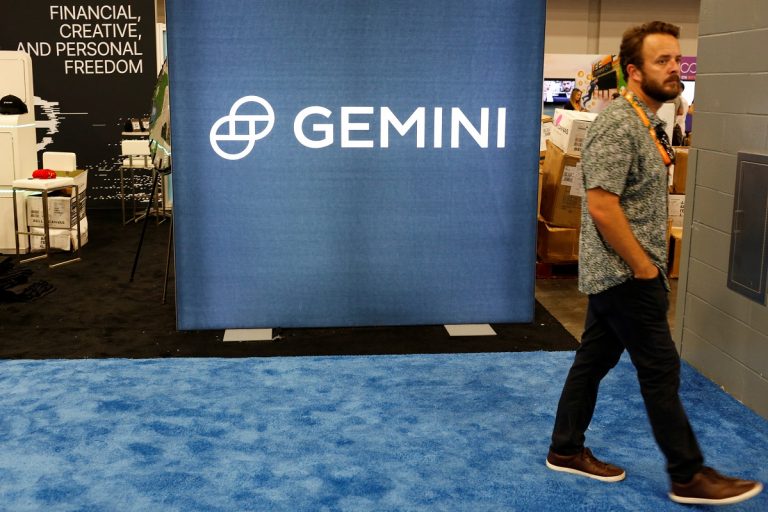
The U.S. Securities and Exchange Commission (SEC) has recently dismissed its lawsuit against Gemini, the cryptocurrency exchange founded by billionaire twins Cameron and Tyler Winklevoss.
The SEC originally filed the enforcement action in January 2023, accusing Gemini of illegally offering unregistered securities through its now-defunct Gemini Earn lending program. The product allowed users to earn interest on their crypto assets by lending them out, but it collapsed amid the broader crypto downturn in late 2022, particularly tied to issues at partner Genesis which led to frozen funds and bankruptcy proceedings.
Gemini and affected users reached settlements, including a 2024 agreement with the New York Attorney General. Investors in Gemini Earn ultimately recovered 100% of their assets through the Genesis bankruptcy resolution process.
On January 23, 2026, the SEC and Gemini filed a joint stipulation/motion in federal court in Manhattan to dismiss the case with prejudice meaning it cannot be refiled. The court approved or the dismissal proceeded based on this.
Register for Tekedia Mini-MBA edition 20 (June 8 – Sept 5, 2026).
Register for Tekedia AI in Business Masterclass.
Join Tekedia Capital Syndicate and co-invest in great global startups.
Register for Tekedia AI Lab.
This move is part of a broader shift in SEC crypto enforcement actions in 2026, with multiple cases reportedly paused, penalties reduced, or dismissed outright—Gemini being at least the eighth such instance mentioned in reports.
It’s widely seen as a win for the Winklevoss twins and the crypto industry, signaling a more favorable regulatory environment especially post-2024 U.S. election changes and pro-crypto influences. The dismissal does not indicate the SEC’s changed stance on the underlying issues in other cases, as the agency noted in statements.
The dismissal of the SEC’s lawsuit against Gemini and by extension the Winklevoss twins carries several significant implications across regulatory, industry, and market dimensions. For Gemini and the Winklevoss TwinsLegal closure and reduced risk: The case was dismissed with prejudice, meaning the SEC cannot refile the same claims.
This removes a major overhang that had lingered since January 2023, allowing Gemini to operate with greater certainty and potentially refocus on growth without ongoing litigation costs or reputational drag.

Strong vindication on investor protection: The primary justification cited in the joint filing was that Gemini Earn users recovered 100% of their assets in-kind where possible through the Genesis bankruptcy process. This outcome strengthens Gemini’s narrative that it prioritized user restitution, even as the program itself collapsed due to Genesis’s issues.
Gemini can now more aggressively pursue expansion like new products, international growth, or partnerships without the shadow of potential SEC penalties or restrictions tied to the Earn program.
This is reportedly one of several at least the eighth mentioned in reports crypto enforcement actions paused, settled with reduced penalties, or fully dismissed in recent months.

It reflects a broader de-escalation in aggressive “regulation by enforcement” under the current environment—possibly influenced by post-2024 political shifts, pro-crypto appointees/influences, and a focus on cases where investors have already been made whole.
Precedent for crypto lending/yield products: While the dismissal doesn’t formally change the SEC’s view that many staking/lending offerings qualify as unregistered securities, it shows that full investor recovery can lead to case closure rather than prolonged battles.
This may encourage platforms to prioritize restitution in future disputes and could reduce fear around similar (compliant) yield products. The crypto sector views this as a regulatory win, contributing to improved market confidence.
It closes a chapter from the 2022 FTX and Genesis fallout era and aligns with a more pragmatic enforcement stance. The dismissal includes no penalties, admissions, or ongoing monitoring for Gemini unlike some prior settlements. This avoids setting a costly precedent.
The SEC has explicitly noted this doesn’t signal a blanket policy change—enforcement in areas like unregistered securities offerings continues elsewhere (e.g., ongoing actions against other platforms). Gemini-linked equities or related tokens saw minor movements (some dips on the news day, but overall neutral-to-positive context).
Broader crypto prices benefit from reduced regulatory fear. This is a clear win for Gemini and a symbolic step toward a more balanced U.S. crypto regulatory landscape in 2026, emphasizing outcomes (like full recoveries) over punitive actions in resolved matters.
It doesn’t overhaul securities law for crypto but eases pressure on one high-profile player and hints at a less adversarial era ahead.