

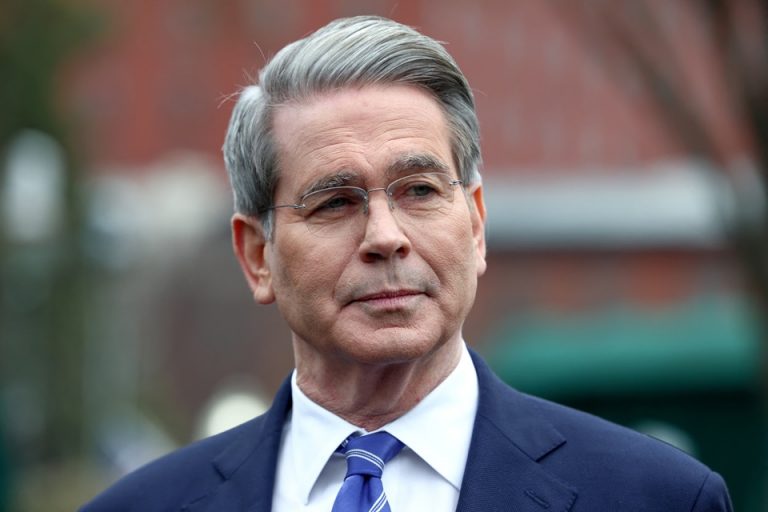
U.S. Treasury Secretary Scott Bessent has issued a strong call for Congress to advance and pass the bipartisan Crypto Clarity Act.
He warns that regulatory uncertainty risks driving digital asset innovation and investment overseas.
In his recent remarks, Bessent emphasized that the legislation is critical to establishing clear federal rules for cryptocurrencies and positioning the United States as the world’s leading hub for digital assets.
Register for the next Tekedia Mini-MBA.
Register for Tekedia AI in Business Masterclass.
Join Tekedia Capital Syndicate and co-invest in great global startups.
“The most important thing we can do is bring digital assets into the United States,” he stated, stressing the need for America to regulate and build the industry domestically rather than cede ground to offshore competitors.
Bessent wrote that U.S. financial regulation has long set the global standard, but continued leadership requires proactive adaptation to innovation. He therefore urged both the House and Senate to prioritize the bill, noting that Senate floor time is limited.
The Clarity Act Purpose

The Clarity Act seeks to create a comprehensive market structure framework for digital assets. It builds directly on the success of prior bipartisan stablecoin legislation, such as the GENIUS Act, by extending regulatory clarity to broader segments of the crypto ecosystem, including tokenized securities, decentralized exchanges, and commodity-like assets such as Bitcoin.
The bill aims to delineate oversight responsibilities, with the SEC typically handling security-like tokens and the CFTC overseeing commodities.
Proponents argue this clarity will reduce uncertainty, foster innovation, protect consumers, and prevent U.S. developers and companies from relocating to jurisdictions like Singapore or Abu Dhabi that already offer clear rules.

The House passed its version of the Clarity Act in 2025 with bipartisan support. The Senate Banking Committee has advanced the legislation, but it awaits a full Senate vote amid ongoing negotiations.
Although the bill has already advanced through the House of Representatives, it has encountered delays as senators continue to deliberate over its final structure and key regulatory provisions.
Central to the slowdown are ongoing disagreements over how the digital asset market should be governed. Lawmakers remain divided on whether oversight should primarily rest with the Securities and Exchange Commission or the Commodity Futures Trading Commission, as well as how cryptocurrencies should be classified under existing financial law.
These foundational questions have made consensus difficult, as they determine the broader regulatory framework for the entire crypto industry.
Amidst the delay, Investment bank TD Cowen analyst Jaret Seiberg says the chances of the U.S. passing the CLARITY Act, are fading. And it is now becoming increasingly unlikely to pass this year as political tensions in Washington continue to rise.
Bessent’s push for the Congress to advance and pass the bipartisan Crypto Clarity Act, aligns with President Trump administration’s pro-crypto stance, which includes ending perceived regulatory persecution of the industry.
Recently, Trump issued a strong reaffirmation of his commitment to digital assets, declaring that the United States must remain the undisputed Bitcoin and cryptocurrency capital of the world.
“It is a major industry, and we must protect it. Other countries are trying diligently to replace us in that capacity, but we won’t let that happen” Trump stated, underscoring his determination to prevent any foreign nation from displacing American leadership in the sector.
Notably, industry supporters, which include former Crypto Czar David Sacks, have echoed the call, describing the Clarity Act as providing essential “rules of the road” for the sector.
Outlook
The CLARITY Act if enacted, would position the United States as one of the most clearly regulated and structured digital asset markets in the world, potentially reshaping its role in global crypto leadership
Critics within the industry have raised concerns over specific provisions, but momentum appears to be building for final action.
As global competition in digital assets intensifies, Bessent’s message is clear: the United States must seize the opportunity to lead or risk falling behind. Congress now faces pressure to deliver regulatory certainty before midterm political dynamics complicate further progress.