

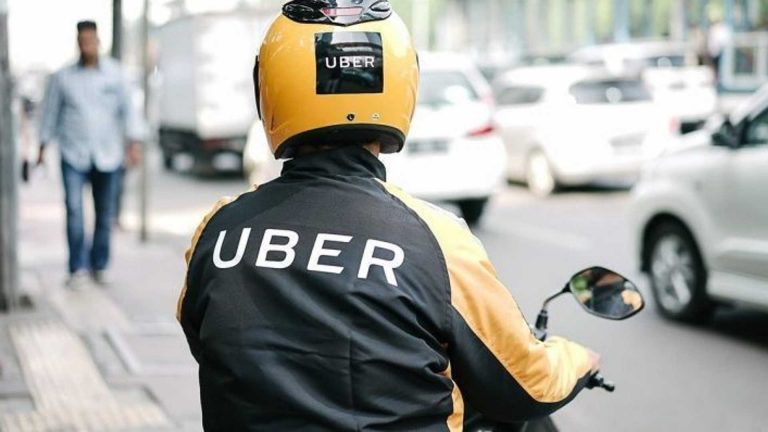
Uber is testing a new service designed to help parents arrange rides for children as young as 10, while offering drivers additional compensation for transporting younger passengers.
Meanwhile, a former Tesla executive is exploring a second life for retired electric vehicle batteries, turning aging energy storage into a potential power source for artificial intelligence infrastructure.
Both developments highlight how companies are adapting existing technology and services to meet emerging demands. Uber’s experiment with rides for children reflects the growing pressure on families to manage increasingly complicated schedules.
Register for the next Tekedia Mini-MBA.
Register for Tekedia AI in Business Masterclass.
Join Tekedia Capital Syndicate and co-invest in great global startups.
Parents juggling school, extracurricular activities, appointments and work commitments often struggle to coordinate transportation.
The ride-hailing company’s new initiative seeks to bridge that gap by allowing children aged 10 and older to access rides under specific safeguards. Rather than requiring parents to personally arrange every journey, the service could offer a more flexible transportation alternative.
However, transporting minors presents significant responsibilities. Uber must address parental consent, driver screening, emergency procedures and accountability to ensure children remain protected throughout their journeys.

Paying drivers extra acknowledges the additional responsibility and potential discomfort associated with transporting younger passengers. The financial incentive could encourage drivers to participate, although compensation alone cannot guarantee safety.
The initiative raises questions about how much trust families should place in technology-enabled transportation services. Uber already relies on background checks, digital tracking and customer ratings, but journeys involving children demand a higher level of oversight.
If the service gains traction, its success will depend less on convenience than on whether parents believe the company can consistently deliver safe transportation.

At the same time, another emerging business is addressing a different challenge created by technological progress: what happens to electric vehicle batteries after they are no longer suitable for cars?
A Tesla veteran is helping transform used EV batteries into energy storage systems that could support power-hungry artificial intelligence infrastructure.
Batteries that have lost some of their original capacity may still possess enough functionality to serve stationary applications. Instead of being discarded or immediately recycled, they can potentially store electricity and release it when demand rises.
The opportunity is becoming increasingly attractive as AI data centres expand and consume enormous quantities of electricity. Computing facilities require dependable power.
While electricity grids face growing pressure from new infrastructure, renewable energy intermittency and rising industrial consumption. Repurposed EV batteries could provide backup power, support peak-demand management and improve energy flexibility.
This approach could strengthen the economics of electric vehicle ownership. Extending battery life through second-use applications potentially creates another revenue stream, reduces waste and delays the need to extract additional raw materials.
However, challenges remain, including battery degradation, inconsistent battery designs, testing costs, safety standards and the economics of refurbishing older packs.
The two developments demonstrate how companies are searching for new markets by rethinking existing assets. Uber is attempting to expand transportation convenience while incentivising drivers to accept greater responsibility.
Battery entrepreneurs are exploring ways to extract additional value from technology originally designed for mobility. Innovation is increasingly about extending the usefulness of existing systems.
Whether transporting children or powering AI data centres, businesses are discovering opportunities where changing consumer needs and technological advances intersect. Their long-term success, however, will depend on balancing commercial ambition with safety, reliability and sustainable economics.