

Uber is betting big on self-driving cars, and early results suggest the gamble could pay off — at least in terms of productivity.
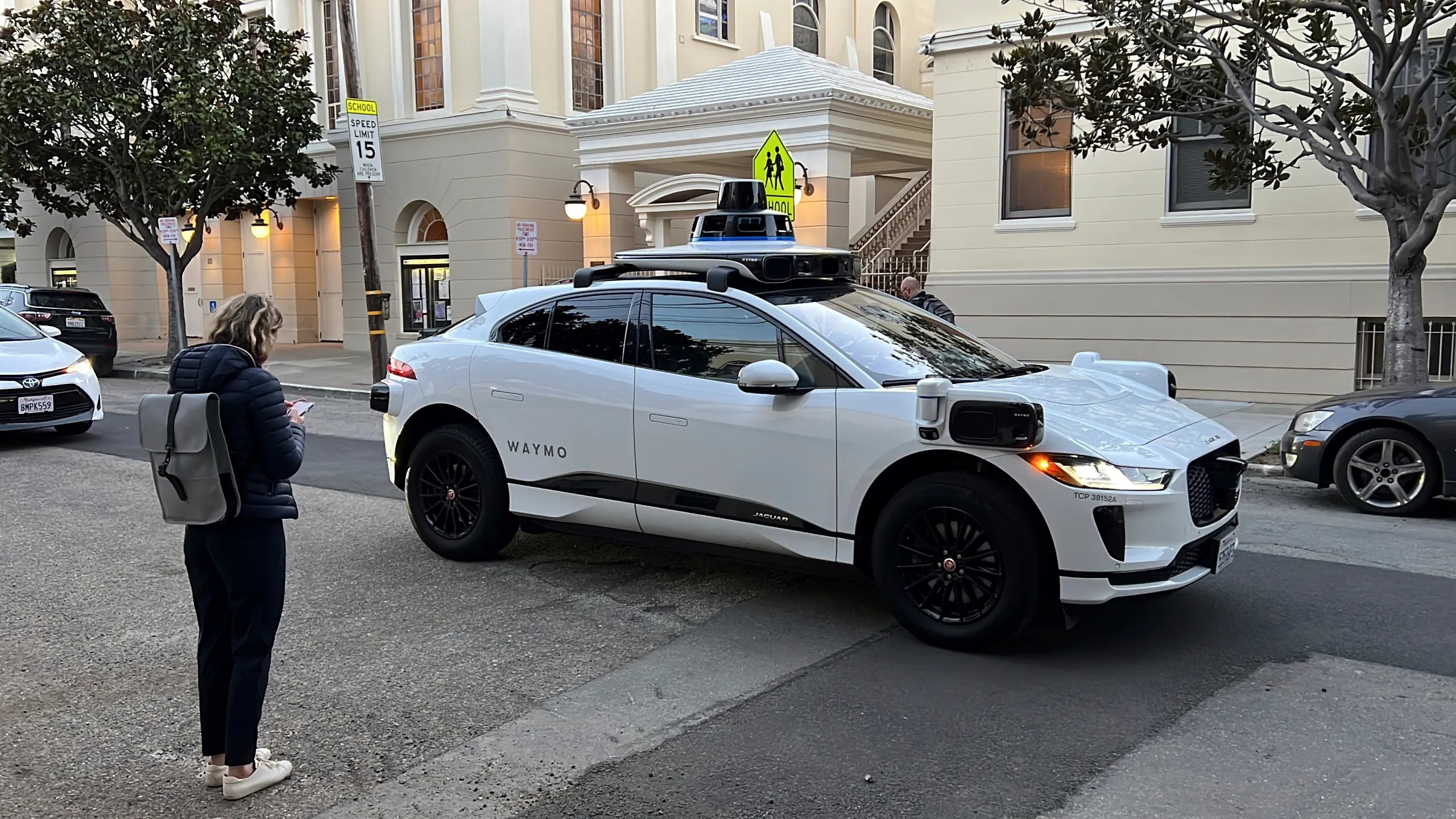
The ride-hailing giant has revealed that Waymo’s autonomous vehicles (AVs), which it is currently deploying in Atlanta and Austin, are outperforming nearly every human driver on its platform.
“In both cases, the average Waymo is busier than 99% of our drivers in terms of completed trips per day,” Uber CEO Dara Khosrowshahi told investors during the company’s earnings call on Wednesday.
Register for Tekedia Mini-MBA edition 20 (June 8 – Sept 5, 2026).
Register for Tekedia AI in Business Masterclass.
Join Tekedia Capital Syndicate and co-invest in great global startups.
Register for Tekedia AI Lab.
For Uber, this statistic is more than just a bragging point — it’s a selling pitch to banks and financiers who would be crucial in funding a large-scale AV rollout.
Uber has been gradually building its autonomous strategy. Beyond its ongoing partnership with Waymo, the company is investing $300 million in electric vehicle maker Lucid, aiming to accelerate the adoption of EVs for both human-driven and autonomous rides. It is also working with robotics startup Nuro to bring more AVs exclusively to Uber’s US platform starting in 2026.
“Once we prove out the revenue model — how much these cars can generate on a per-day basis — there will be plenty of financing to go around,” Khosrowshahi said, stressing that consistent high trip volumes per vehicle could transform the economics of ride-hailing.

For now, Uber’s AV operations remain modest in scale. In Atlanta, the company aims to expand its Waymo fleet to hundreds of vehicles in the coming quarters. In Austin, the service area covers about 90 square miles, competing directly with Tesla, which launched a limited robotaxi service in June, currently with Tesla safety employees sitting in the front passenger seat.
In a CNBC interview, Khosrowshahi described the AV push as “physical-world AI,” saying it will be a “huge trend going forward.” He argued that more companies offering autonomous rides could improve traffic safety, with AV technology theoretically capable of making more consistent, safer driving decisions than humans.
“All of this competition in autonomous is going to create safer streets, and we’re going to be a big part of that,” he said.

Still, a full-scale shift to self-driving will take time. Khosrowshahi has previously said human drivers and AVs will likely coexist in Uber’s network for the next decade. Some Uber drivers, responding to last month’s announcement of the Lucid-Nuro partnership, expressed uncertainty about what the future holds. Several said they would need more details on Uber’s long-term AV plans before considering a career change.
Some believe it is only a matter of time before robotaxis begin to replace large swathes of the current driver base. Autonomous vehicles promise lower operating costs for platforms like Uber, and their ability to work around the clock without breaks makes them financially attractive.
While AV advocates point to productivity gains and the potential for lower costs over time, challenges remain. Some self-driving systems still struggle with unpredictable conditions like potholes, erratic drivers, or unusual traffic patterns. Human drivers also shoulder their own operational expenses, such as vehicle maintenance costs that may shift to Uber or third-party fleet owners if AVs take over.
Uber is still weighing different ownership and management models for its future AV fleet. Options include partnering with large-scale fleet operators, leasing AVs directly, or adopting a hybrid approach that mirrors the current driver-partner model by splitting fares with independent AV owners.
Uber’s AV strategy will face pressure not just from Waymo and Tesla as the race heats up, and also from other autonomous transport players eager to claim a share of the robotaxi future. The real question will be whether Uber can prove that higher productivity translates into sustainable profits — without alienating the millions of human drivers who still make up the backbone of its network.
The gig economy is facing a reckoning as autonomous ride-hailing expands. What was once considered a flexible, human-powered industry is now bracing for an inevitable transformation — one in which technology may take the wheel, literally and figuratively.