

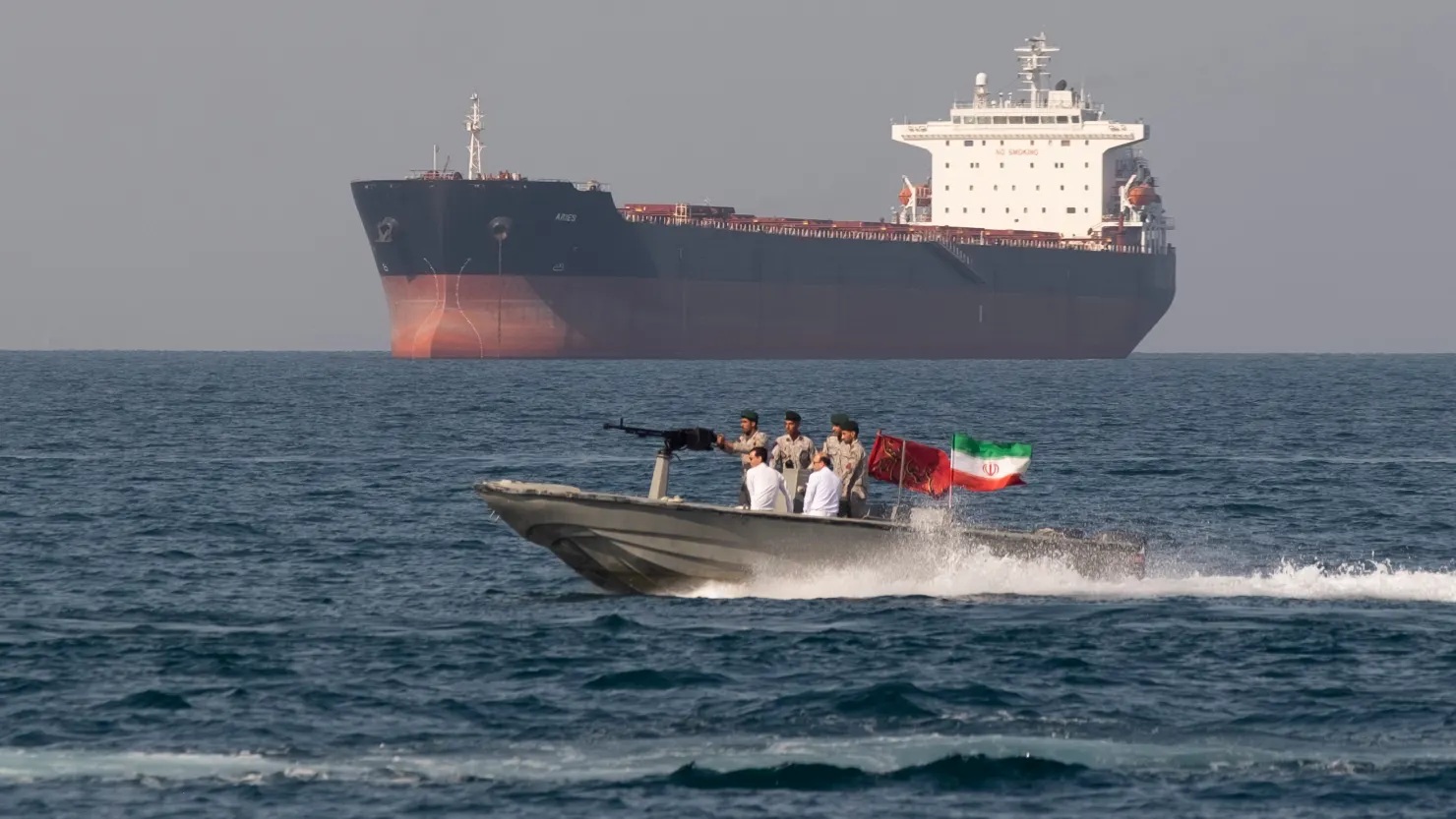
Britain has firmly distanced itself from the United States’ naval blockade of Iranian ports, with Prime Minister Keir Starmer making clear that London will not be drawn into Washington’s escalating confrontation with Tehran, even as the crisis in the Strait of Hormuz continues to jolt global energy markets.
Speaking on Monday, Starmer said the United Kingdom’s priority remains restoring free navigation through the vital shipping lane rather than supporting a U.S.-led maritime cordon.
“We’re not supporting the blockade, and all of the marshalling – diplomatically, politically and [in terms of] capability – we do have mine-sweeping capability, I won’t go into operational matters, but we do have that capability – that’s all focused, from our point of view, on getting the Strait fully open.”
Register for the next Tekedia Mini-MBA.
Register for Tekedia AI in Business Masterclass.
Join Tekedia Capital Syndicate and co-invest in great global startups.
He added: “What we’ve been doing over the last few weeks – and this was part of what I was discussing with the Gulf states last week – is bringing countries together to keep the strait open, not shut.”
The statement amounts to one of the clearest rebuffs yet from a major U.S. ally since President Donald Trump announced that American naval forces would begin enforcing a blockade on vessels entering and exiting Iranian ports from 10 a.m. ET on Monday.
Trump, speaking to reporters on Sunday after talks with Tehran failed to produce a ceasefire framework, said: “At 10 tomorrow, we have a blockade going into effect,” adding that “other nations are working so that Iran will not be able to sell oil.”

However, European capitals have moved swiftly to make clear that they are not joining the U.S. operation.
France, while stopping short of directly condemning the blockade, has instead signaled a parallel diplomatic and security initiative with Britain focused on safeguarding shipping rather than intensifying hostilities. President Emmanuel Macron said Paris and London would in the coming days co-host talks aimed at restoring freedom of navigation in the Strait of Hormuz, a corridor through which roughly one-fifth of the world’s daily oil supply normally passes.
According to Macron, the initiative is intended to establish a “peaceful multinational” and “strictly defensive” mission that would remain separate from the warring parties.

Rather than align with Washington’s blockade, Britain and France appear to be building a broader coalition focused on maritime security, de-escalation, and the economic fallout from disrupted energy flows. That strategy reflects European concern that the conflict, which many on the continent see as Washington’s war of choice, could further destabilize already fragile global markets.
Germany has also indicated it will not take part. Government sources in Berlin told CNBC that Trump’s suggestion of allied participation was “a vague statement that is not based on any new facts.” Berlin has repeatedly ruled out military involvement and on Monday reaffirmed that position.
The diplomatic divergence underscores widening transatlantic strains over how to handle the Iran crisis.
Starmer emphasized that British households are already feeling the consequences of the conflict through rising fuel and energy costs, as oil prices have climbed back above $100 a barrel following the collapse of the U.S.-Iran talks and the implementation of the blockade.
Asked whether Trump bears responsibility for the surge in UK energy bills, Starmer instead pointed to Iran’s restrictions on navigation as the immediate trigger.
“We, the United Kingdom, were very clear that we weren’t going to get dragged into this war, and we’re not, but equally, we have been involved in defensive action.”
That careful wording reflects London’s balancing act: refusing offensive involvement while preserving defensive naval capabilities in the region, including minesweepers and anti-drone systems.
The broader geopolitical picture underlines Trump’s struggle to marshal allied support for the blockade. Early this month, he said he is strongly considering pulling the U.S. out of NATO. Neither major NATO partners nor Gulf states have publicly committed naval assets to the U.S. operation, highlighting concerns that any participation could broaden the war and expose shipping, ports, and energy infrastructure across the Gulf to retaliatory Iranian action.
Tehran has already warned that it could respond against neighboring Gulf ports if its own maritime access is cut off.
Overall, the emerging European response points to a split with Washington: the U.S. is pursuing coercive maritime pressure, while London and Paris are positioning themselves as backers of a defensive multinational mission aimed at reopening the strait and containing the economic shock.