

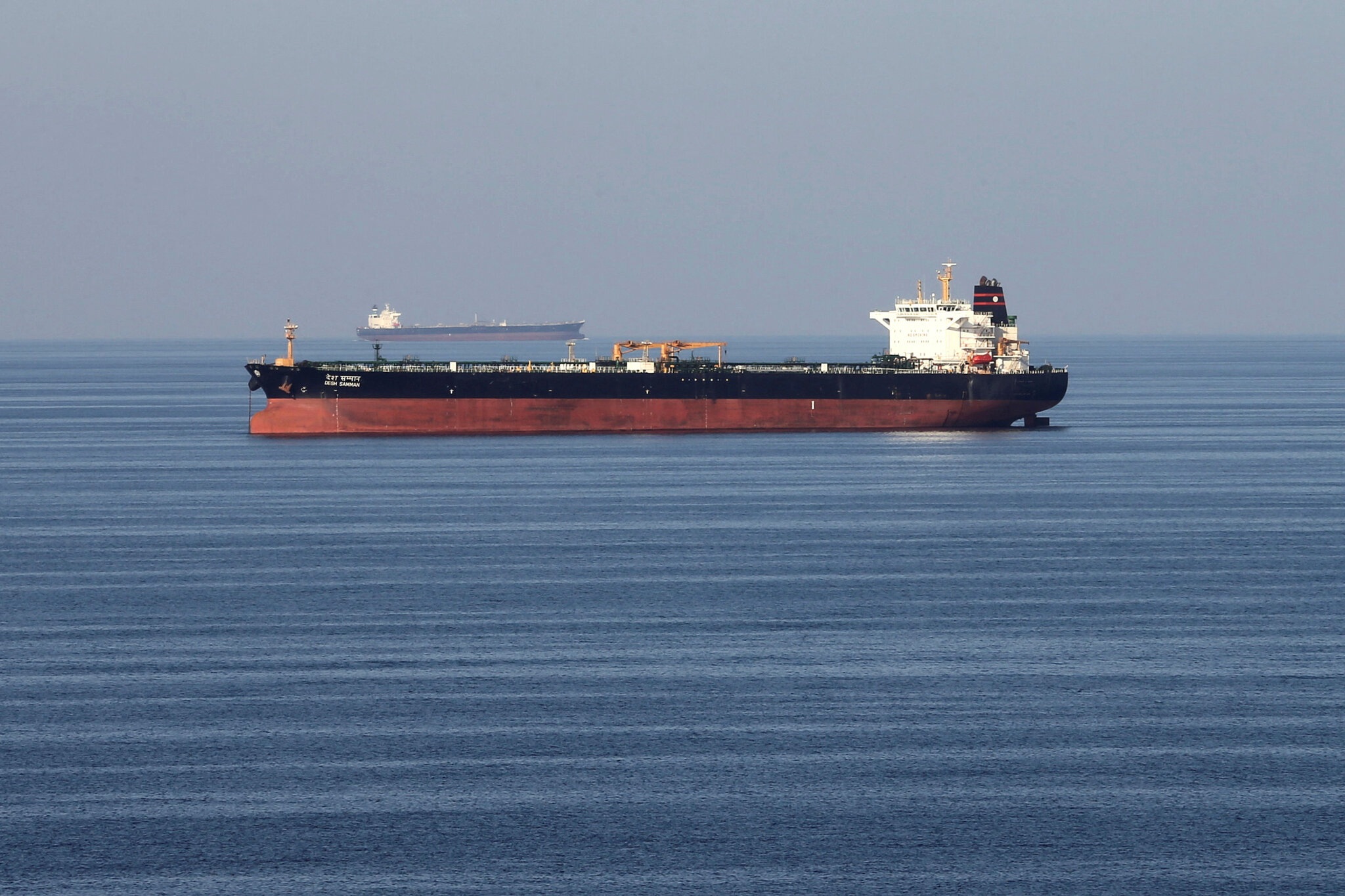
The United States has issued a general license permitting Reliance Industries Ltd to purchase Venezuelan crude oil directly without violating U.S. sanctions, according to two sources familiar with the matter who spoke to Reuters.
The development marks a significant recalibration of sanctions enforcement toward Venezuela’s energy sector and carries broad implications for global crude trade flows.
The license authorizes the purchase, export, and refining of Venezuelan-origin oil that has already been extracted. It effectively clears a compliance pathway for Reliance to resume direct transactions with Venezuelan counterparties, eliminating the need to rely solely on intermediaries operating under individual licenses.
Register for Tekedia Mini-MBA edition 20 (June 8 – Sept 5, 2026).
Register for Tekedia AI in Business Masterclass.
Join Tekedia Capital Syndicate and co-invest in great global startups.
Register for Tekedia AI Lab.
Reliance had applied for the license in early January. Neither the company nor the U.S. Treasury’s Office of Foreign Assets Control (OFAC) immediately commented.
Sanctions Shift and Venezuela’s Oil Strategy
The move follows Washington’s announcement earlier this month that it would ease sanctions on Venezuela’s energy industry after the capture of President Nicolás Maduro. U.S. officials said the sanctions relief would facilitate a $2 billion oil supply arrangement between Caracas and Washington, alongside a broader $100 billion reconstruction initiative aimed at revitalizing Venezuela’s long-deteriorated oil infrastructure.
Venezuela’s oil production has fallen sharply over the past decade due to underinvestment, sanctions, operational mismanagement, and infrastructure decay. Allowing select buyers back into the market could accelerate export volumes, improve cash flow for the state oil sector, and provide momentum for rehabilitation efforts.

Washington is signaling a willingness to expand the pool of authorized buyers beyond Western oil majors and commodity traders by granting Reliance a general license. Earlier, traders, including Vitol and Trafigura, received permissions to market Venezuelan barrels following Maduro’s capture.
Strategic Value for Reliance and India
The license is commercially significant for Reliance. The conglomerate operates two refineries in Jamnagar with a combined capacity of roughly 1.4 million barrels per day, forming the world’s largest refining complex. These facilities are configured to process heavy and sour crude grades, such as those produced in Venezuela’s Orinoco Belt.
Heavy Venezuelan crude is typically sold at a discount to lighter benchmark grades, providing refiners with an opportunity to improve margins if logistics and quality specifications align. Direct access allows Reliance to optimize feedstock procurement without paying intermediary premiums.

Earlier this month, Reliance purchased 2 million barrels of Venezuelan oil from trader Vitol. Direct sourcing under a U.S. general license would reduce transactional friction and potentially increase volumes over time.
The license also carries geopolitical weight. Indian refiners, including Reliance, have reportedly been avoiding Russian oil purchases for April deliveries and may continue to scale back such trades. Diversifying toward Venezuelan supply could help India manage trade relations with Washington while maintaining cost-effective crude sourcing.
President Donald Trump recently removed a 25% punitive tariff on India and said New Delhi would buy more oil from the U.S. and potentially Venezuela, reinforcing energy trade as a diplomatic lever.
Analysts expect the re-entry of a large-scale buyer like Reliance into Venezuela’s export ecosystem to reshape regional crude flows. Also, increased Venezuelan shipments to India may displace some Middle Eastern or Russian volumes, altering freight patterns and benchmark pricing differentials.
Expanding Venezuela’s customer base reduces dependence on a limited group of sanctioned trade channels. For the United States, calibrated sanctions relief offers leverage while encouraging the structured reintegration of Venezuelan oil into global markets.
However, there are still practical constraints as Venezuela’s production capacity is still constrained by infrastructure bottlenecks and years of underinvestment. Output increases will depend on the pace of field rehabilitation, access to equipment and financing, and political stability.
The license enhances Reliance feedstock flexibility at a time of shifting geopolitical supply chains, while it strengthens India’s energy security by broadening sourcing options. In the global market, the development signals a tangible shift in U.S. sanctions policy that could incrementally ease supply tightness in heavy crude segments.
However, the longer-term impact will depend on export volumes, compliance conditions attached to the license, and the durability of Washington’s revised posture toward Caracas.