

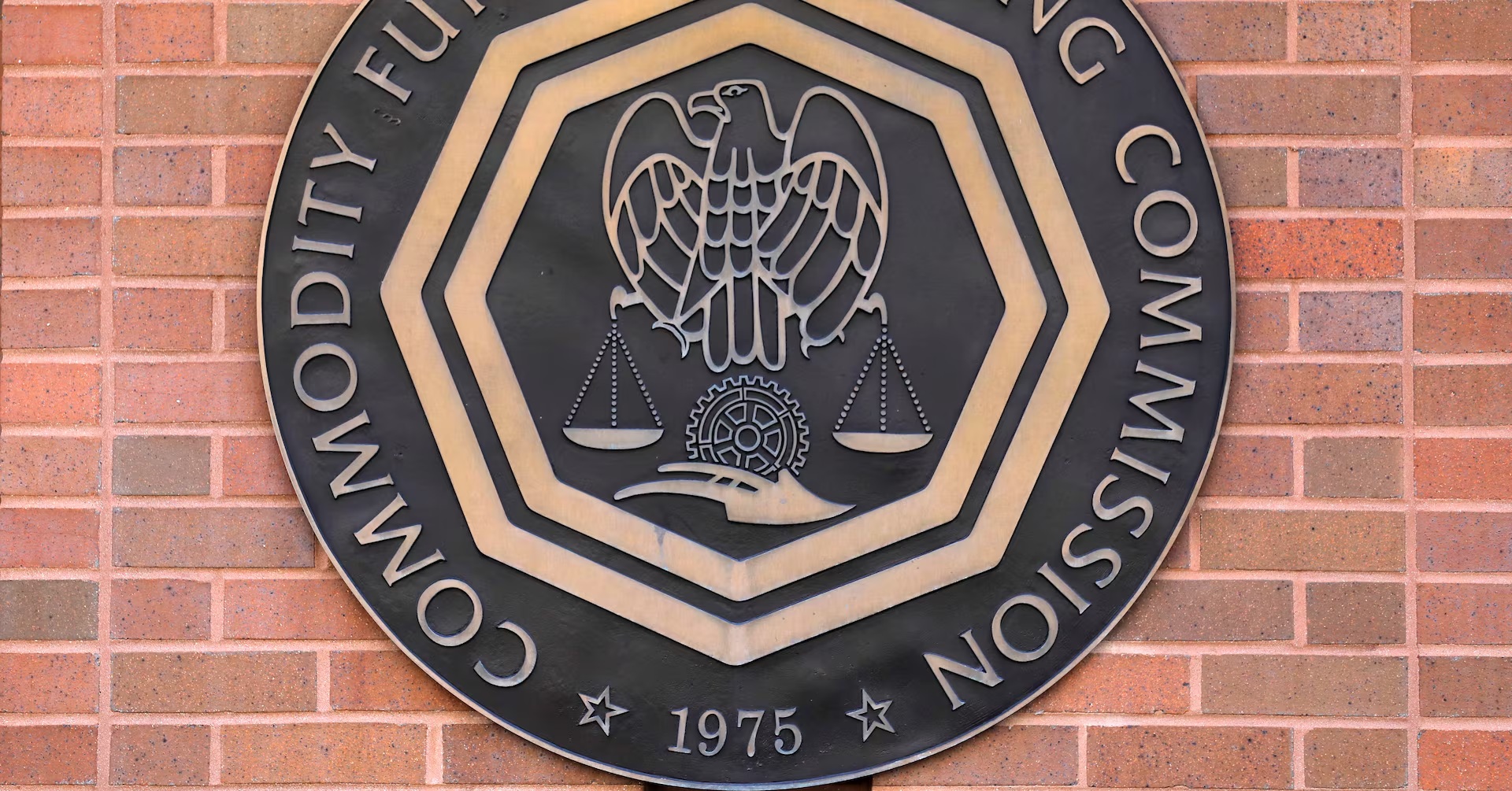
The U.S. Commodity Futures Trading Commission (CFTC) is investigating a series of unusually timed trades in oil futures that occurred minutes before President Donald Trump’s Truth Social posts announcing policy shifts related to the U.S.-Iran conflict.
The investigation focuses on trades executed on platforms operated by CME Group including NYMEX and Intercontinental Exchange (ICE). Regulators have requested trading data from both exchanges, including Tag 50 identifiers that link trades to specific entities. At least two specific instances are under scrutiny: Approximately $500–580 million in oil futures bets were placed about 15 minutes before Trump’s post announcing talks with Iran and a delay and postponement of planned strikes on Iranian energy infrastructure.
Oil prices subsequently dropped sharply reports cite ~6–10%+ moves, while stock futures surged. April 7, 2026: A similar pattern with roughly $950 million in trades ahead of Trump’s announcement of a two-week ceasefire with Iran, which reportedly sent oil and natural gas prices lower (one account cited ~15%).
These trades anticipated the direction of the market reaction to the announcements with unusually precise timing, prompting concerns about potential insider trading or information leaks from within the administration or those with advance knowledge. The events unfolded amid escalating U.S. involvement or tensions in the Iran conflict.
Register for the next Tekedia Mini-MBA.
Register for Tekedia AI in Business Masterclass.
Join Tekedia Capital Syndicate and co-invest in great global startups.
Trump’s Truth Social posts served as the public trigger for significant market moves, with no apparent preceding public news to explain the pre-announcement spikes in volume. Calls for investigation came earlier from lawmakers, including: Sen. Elizabeth Warren (D-MA) and others, who sent a letter to the CFTC on April 9 requesting a probe.
Rep. Ritchie Torres (D-NY), who urged both the CFTC and SEC to examine the activity. The White House has reportedly warned staff against improperly trading on non-public information related to the conflict. CFTC Chairman Michael Selig has signaled the agency will pursue wrongdoers in derivatives markets, though the agency has not publicly confirmed details of this specific probe.
The probe is in early stages, focused on gathering data rather than any charges. Outcomes could range from no action (if trades prove coincidental or based on public analysis) to enforcement actions if evidence of improper information flow emerges. CME Group has stated it monitors trading and supports regulatory scrutiny.
This fits a broader pattern where major policy announcements via social media or official channels can move commodity and equity markets rapidly, drawing regulatory attention to pre-event positioning. Investigations like this are standard when timing and volume appear anomalous, but proving insider trading requires linking the traders to non-public information sources.

As of now, no individuals or specific trading entities have been publicly named. Traders who positioned short on oil (betting on lower prices) or long on stocks in the minutes/hours before the posts likely realized millions in profits from the well-timed bets totaling $500–580 million (March) and ~$950 million (April).
Trading volumes spiked dramatically ~9x average in one pre-announcement window, highlighting how social media policy signals can create rapid, high-stakes swings in commodity and related markets. The CFTC has requested detailed trading data from CME Group (NYMEX) and ICE, including Tag 50 identifiers to trace entities behind the trades.
This is an early-stage data-gathering effort, not yet resulting in charges. CFTC Chairman Michael Selig has publicly vowed stronger enforcement against wrongdoers in derivatives markets, signaling a potential sea-change in scrutiny amid heightened activity.
