

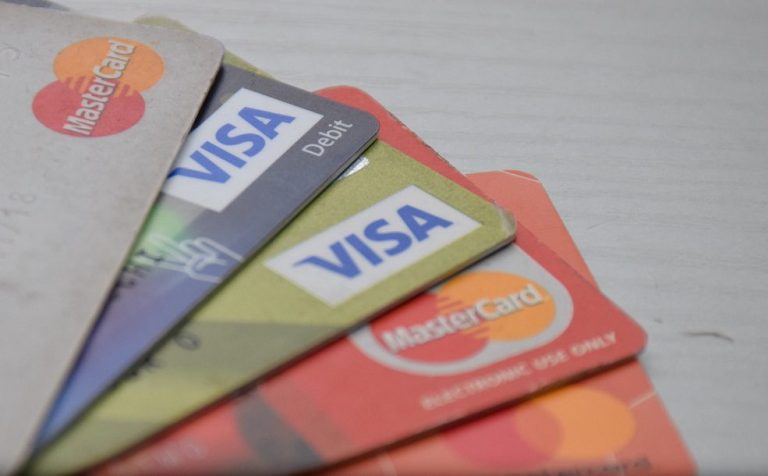
American households are relying increasingly on credit cards to cover everyday expenses as persistent inflation and elevated borrowing costs put pressure on household budgets, with outstanding balances reaching a record $1.29 trillion in the third quarter.
Credit card debt increased by $22 billion between July and September, bringing the total balance to its highest level on record, according to the Federal Reserve Bank of New York’s latest household debt report released Tuesday. Balances were 4.2% higher than a year earlier, signaling continued reliance on revolving credit even as the pace of borrowing growth begins to moderate.
The increase formed part of a broader expansion in household liabilities. Total US household debt, including mortgages, auto loans, student loans and credit cards, rose by $334 billion during the quarter to a record $19.1 trillion.
Register for the next Tekedia Mini-MBA.
Register for Tekedia AI in Business Masterclass.
Join Tekedia Capital Syndicate and co-invest in great global startups.
“Overall debt has been growing,” New York Fed researchers said during a press call on Tuesday. “This does reflect financial hardship out there.”
The figures point to mounting pressure on consumers who are using credit to manage the gap between household income and the cost of living. While credit cards provide relatively quick access to funds, their high interest rates can make persistent borrowing increasingly expensive, particularly for households that cannot pay off balances in full each month.
A separate quarterly credit industry report from TransUnion found that the average credit card balance per consumer reached $6,678, an increase of 2.4% from a year earlier. The number of Americans holding credit cards also rose by 2%, from 174.8 million to 178 million.

The growth in both balances and card ownership suggests that credit is playing a broader role in household finances. However, the increase also raises concerns about the ability of borrowers to manage repayments as interest costs remain elevated.
Credit cards are often more accessible than other forms of borrowing, making them an option for consumers who need to cover expenses but cannot readily obtain cheaper loans. That accessibility comes at a high cost. The average annual percentage rate on a new credit card offer is about 24%, according to LendingTree data, although rates vary according to the card, issuer, and borrower’s creditworthiness.
“Credit cards continue to be one of the most expensive ways to borrow,” said Charlie Wise, TransUnion’s senior vice president of global research and consulting.

The burden is particularly pronounced among lower-income borrowers and consumers with weaker credit profiles. New York Fed researchers said a growing share of recently issued credit cards had gone to borrowers with lower incomes and credit scores, and those accounts were now showing higher levels of financial distress.
The trend raises questions about lending standards and the quality of credit being extended to households. According to the New York Fed researchers, credit card issuers loosened their lending standards during the Covid pandemic, with delinquency rates rising in subsequent years.
The deterioration suggests that some borrowers entered the current high-cost environment with limited financial capacity to absorb further increases in living expenses or borrowing costs.
The New York Fed identified persistent inflation and higher interest rates as major pressures on consumers, particularly those at the lower end of the income distribution.
“Macroeconomic headwinds, namely high inflation and rising borrowing costs, have squeezed consumers, with inflation outpacing wage growth for low-income brackets,” the researchers said in a corresponding blog post.
That imbalance means households may need to borrow more to maintain consumption even when their incomes are rising. Spending on essentials such as groceries and gasoline leaves less disposable income available for debt repayment, increasing the likelihood that balances will carry over from one month to the next.
Ted Rossman, principal consumer finance analyst at nonprofit credit counselling agency Money Management International, said the combination of higher prices and borrowing costs had pushed more consumers into debt.
“Higher prices and higher rates have pushed more people into debt,” Rossman said.
He added that credit card balances had continued to increase in the years following the pandemic. Although the rate of growth has slowed, the accumulated debt remains a significant burden for many households.
“From a household finance standpoint, a lot of damage has been done,” Rossman said.
The situation has further exposed the distinction between slowing debt growth and falling. A moderation in the rate of increase does not mean households are reducing their outstanding balances or that repayment pressures have eased. Consumers may still be carrying historically high debt levels while facing substantial interest charges.
The latest debt figures also come amid growing public dissatisfaction with the US economy following the midterm elections, in which Democrats recorded strong results across several states.
Kyle Moore, chief economist at the nonpartisan Century Foundation, linked the election outcomes to concerns about the financial conditions facing American families.
“The throughline connecting so many of Tuesday’s outcomes was a recognition that the American economy is failing American families,” Moore said, referring to Election Day.
His assessment points to the political consequences of an affordability squeeze that has persisted even as the economy continues to expand. For many households, the major concern is whether wages are keeping pace with the cost of essential goods and services.
The latest inflation figures add to that concern. The Bureau of Labor Statistics reported Tuesday that prices for goods and services rose more than expected in October, indicating that inflationary pressure remains a challenge for consumers.
Higher prices can increase the need for short-term borrowing, while elevated interest rates make it more expensive to carry existing balances. The combination has created a difficult cycle for households already using credit cards to cover routine expenses.
The $1.29 trillion credit card balance also forms only part of the wider household debt burden. With total household liabilities at $19.1 trillion, consumers are managing obligations across housing, education, transportation and everyday spending.
The immediate concern is whether borrowers can keep servicing those obligations without falling further behind. Rising delinquencies among lower-income cardholders suggest that financial pressure is not distributed evenly, with households that have fewer savings and weaker credit profiles more exposed to higher borrowing costs.