

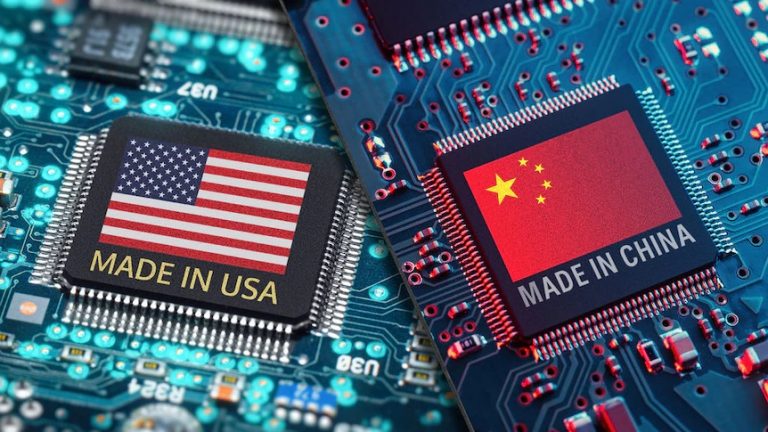
The United States has reportedly approved nearly 900,000 artificial intelligence chips from Nvidia and AMD for shipment to China over a six-month period.
Highlighting the complicated balance Washington faces between protecting national security and preserving the commercial interests of its technology industry.
The reported approvals come amid growing scrutiny of semiconductor exports to China, as concerns about advanced computing capabilities, military applications and technological competition continue to shape American policy.
Register for the next Tekedia Mini-MBA.
Register for Tekedia AI in Business Masterclass.
Join Tekedia Capital Syndicate and co-invest in great global startups.
Meanwhile, Hunterbrook has flagged potential China export control risks associated with AMD firmware, adding another layer of uncertainty to the evolving debate over AI chip exports.
The reported shipment approvals underscore how Washington’s semiconductor restrictions are evolving rather than representing a complete prohibition on technology sales to China.
American policymakers have increasingly sought to restrict the most advanced chips capable of supporting sophisticated artificial intelligence systems, while allowing certain products to reach Chinese customers under specific regulatory conditions.

Nvidia and AMD, two of the most influential companies in the global AI semiconductor industry, remain central to this policy debate because of their technological leadership and significant commercial exposure to international markets.
Approving nearly 900,000 chips over six months could reflect the scale of demand for AI computing infrastructure in China, where technology companies, cloud providers and research institutions continue to pursue artificial intelligence development.
Even when access to the most powerful processors is restricted, businesses can seek alternative products, develop domestic semiconductor solutions or build computing systems around permitted hardware.

Consequently, American export policy must continually adapt to technological changes and the potential ways restricted capabilities can be circumvented.
However, the reported approvals also raise questions about how effectively Washington can balance commercial opportunities against strategic concerns.
China remains a major technology market, and restrictions on semiconductor exports could reduce revenues for American manufacturers while encouraging Chinese competitors to accelerate domestic chip development.
Nvidia and AMD have invested heavily in developing AI hardware, and access to international customers remains an important consideration for their long-term growth strategies.
Hunterbrook’s warning about potential China export control risks involving AMD firmware introduces another dimension to the issue. Firmware.
The software embedded within hardware that governs its operations, can play a critical role in determining how semiconductor systems function, communicate and perform.
Concerns surrounding firmware could potentially complicate compliance assessments, particularly where technology is subject to restrictions involving specific capabilities, configurations or end users.
The issue demonstrates that semiconductor export controls extend beyond the physical shipment of processors. Regulators may increasingly examine software, firmware, technical support and other components that contribute to computing capabilities.
Companies operating across international markets could therefore face additional compliance obligations, requiring stronger internal monitoring systems, documentation and risk assessments to ensure that products and associated technologies meet applicable regulations.
Potential firmware-related export control concerns could create reputational, regulatory and operational challenges if authorities determine that particular technologies or transactions violate applicable restrictions.
Nvidia could face continued scrutiny as policymakers evaluate the broader implications of AI chip distribution. The reported approvals and Hunterbrook’s concerns illustrate the growing complexity of the global AI semiconductor market.
Washington’s policies are attempting to preserve American technological leadership without unnecessarily damaging domestic companies, while China continues seeking greater independence in computing infrastructure.
As AI becomes increasingly important to economic growth, military capabilities and global competitiveness, semiconductor exports will remain a major battleground between commercial interests and national security priorities.