

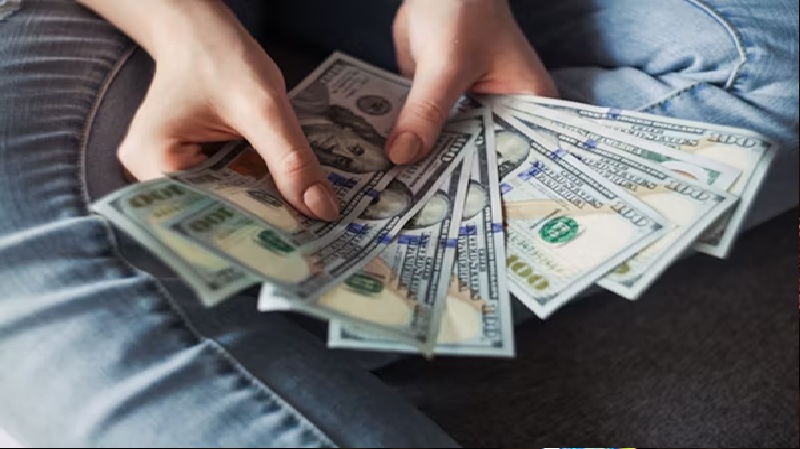
U.S. Trade Representative Jamieson Greer said Friday that American companies expecting to receive up to $165 billion in refunds for tariffs ruled illegal by the Supreme Court should pass the windfall directly to their workers in the form of bonuses or raises.
In an interview on CNBC’s “Squawk Box,” Greer framed the refunds as an unintended consequence of the February 20, 2026, 6-3 Supreme Court decision invalidating President Donald Trump’s use of the International Emergency Economic Powers Act (IEEPA) to impose broad “reciprocal” tariffs. The ruling found that IEEPA does not authorize unilateral import taxes absent a specific, imminent foreign threat.
“If I were these companies, and somehow they get this windfall, the most important thing and the smartest thing they should do is give it as bonuses to their workers,” Greer said.
Register for Tekedia Mini-MBA edition 20 (June 8 – Sept 5, 2026).
Register for Tekedia AI in Business Masterclass.
Join Tekedia Capital Syndicate and co-invest in great global startups.
Register for Tekedia AI Lab.
“The whole reason the president imposed these tariffs was to try to reshore, affect our massive imbalance in trade that we’ve experienced over many years because of China, Vietnam, the EU and others. If the companies are going to get this windfall, they should pass it along to their workers as a bonus or a raise, because that’s the purpose of the program. It’s always been the purpose of the program. And the American people should get it, and the company should give it to their workers.”
Greer’s comments come as hundreds of importers — including Costco, FedEx, Toyota, and BYD — have filed lawsuits seeking repayment of duties paid since the tariffs took effect in April 2025. Penn-Wharton Budget Model estimates place the total revenue at risk of refund between $175 billion and $179 billion, though Greer’s $165 billion figure appears to reflect a slightly more conservative projection or net-of-adjustments estimate.
A U.S. Customs and Border Protection (CBP) official informed the U.S. Court of International Trade in a Thursday filing that development of an online refund-claim system is 70% complete. Judge Richard K. Eaton’s prior order requiring refunds with interest remains suspended pending finalization of the system. CBP halted IEEPA tariff collections on February 24, three days after the Supreme Court ruling, and deactivated related tariff codes.

The trade groups Consumer Technology Association and U.S. Chamber of Commerce filed an amicus brief Wednesday in V.O.S. Selections, Inc. v. Trump, urging the court to establish an “efficient, orderly process” for mass refunds to avoid prolonged litigation that could disproportionately harm small businesses.
Treasury Secretary Scott Bessent has stated the administration will comply with court-ordered refunds but expects tariffs to return by August under alternative authorities. Last month, Greer’s office opened Section 301 investigations into nearly 80 countries and economies — including China, Japan, India, Mexico, and the EU — for alleged unfair trade practices. Section 301 allows targeted tariffs following findings of unreasonable or discriminatory practices.
Trump imposed a temporary 15% global tariff under Section 122 of the 1974 Trade Act immediately after the Supreme Court decision, replacing the invalidated IEEPA duties. The Section 122 authority expires after 150 days without congressional extension.

Greer’s call for companies to direct refunds to workers aligns with the administration’s stated goal of using tariffs to support American labor and reshore manufacturing. The suggestion also comes amid rising public and political scrutiny of corporate windfalls following the court ruling. Midterm elections in November 2026 loom, with control of Congress at stake, adding pressure to demonstrate tangible benefits for working Americans.
Major importers argue the tariffs were unlawful from the outset and that refunds represent restitution rather than a windfall. Small and medium-sized enterprises, which often absorb costs or pay duties directly, stand to benefit most from an efficient process, as they lack the resources for extended litigation.
The administration’s pivot to Section 301 investigations signals continued aggressive trade enforcement despite the IEEPA setback. These probes — covering pharmaceuticals, industrial overcapacity, forced labor, digital services taxes, and more — could lead to new targeted tariffs in the coming months.
But the refund saga remains far from resolved. CBP’s online system must be completed and tested, procedural questions (interest calculation, claim deadlines, audit processes) must be clarified, and potential appeals or legislative responses could further delay payouts.
For companies, the choice of whether to distribute refunds as worker bonuses — as Greer urged — or retain them for reinvestment, debt reduction, or shareholder returns will likely become a point of public and political scrutiny.