

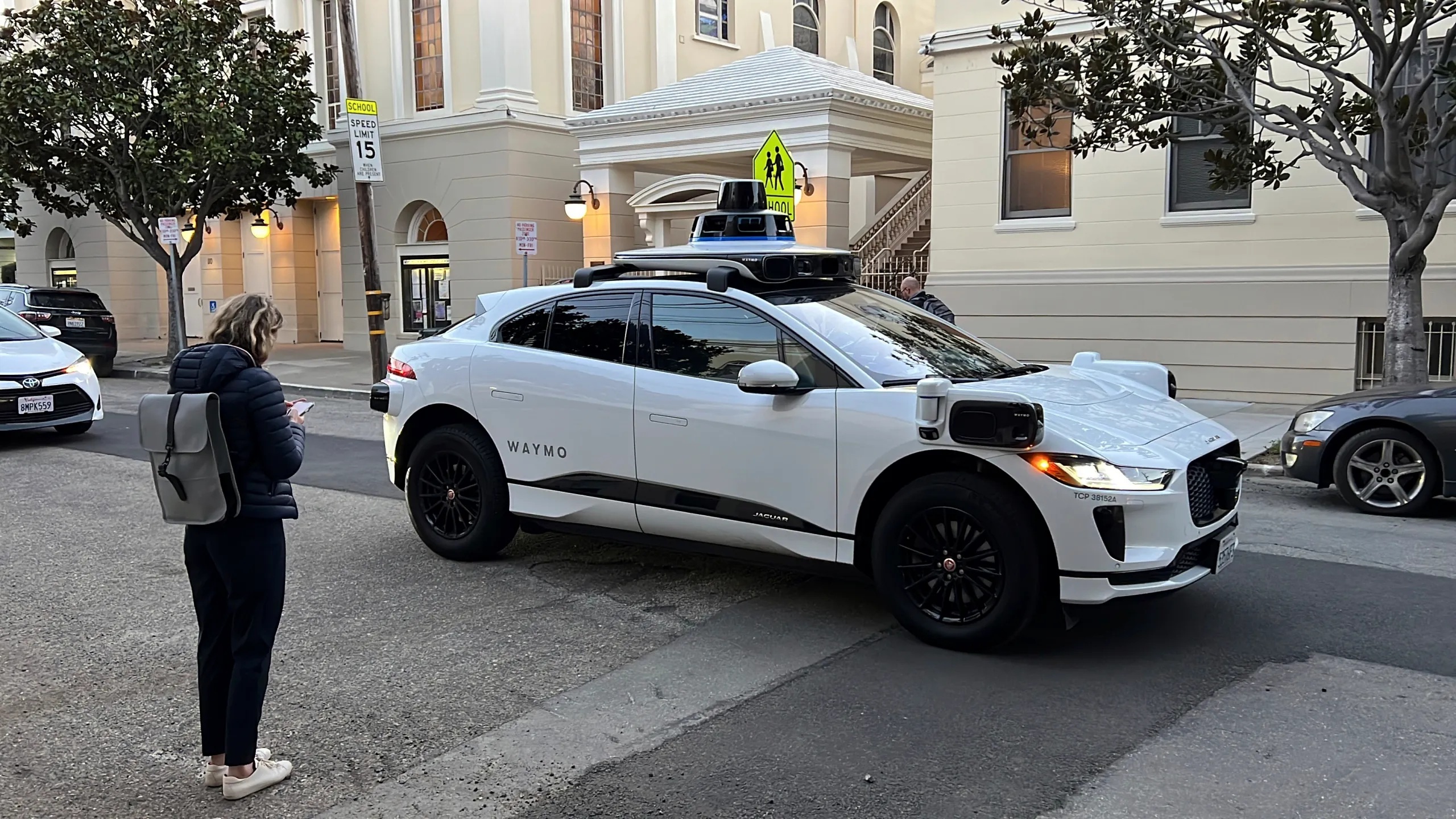
Waymo is expanding its international robotaxi ambitions through a partnership with Toyota to develop autonomous electric vehicles, beginning with testing of Toyota bZ4X models in Japan next year and potentially extending deployments to the United Kingdom and other right-hand-drive markets.
Under the agreement announced on Friday, Toyota will manufacture the 2027 bZ4X electric vehicles and integrate Waymo’s autonomous driving system at its Takaoka factory in Japan. The vehicles will initially undergo testing in the country, where Waymo intends to eventually introduce a commercial robotaxi service.
The partnership gives Waymo access to another vehicle platform as it prepares to expand beyond the United States. The company has been testing its autonomous Jaguar I-Pace vehicles in London for several months and plans to launch a robotaxi service there once it obtains the necessary permits.
Register for the next Tekedia Mini-MBA.
Register for Tekedia AI in Business Masterclass.
Join Tekedia Capital Syndicate and co-invest in great global startups.
The Toyota vehicles could provide a more suitable option for markets where right-hand-drive configurations are required. The bZ4X, marketed as the BZ in North America, would give Waymo an additional model for adapting its autonomous technology to different regional operating conditions.
The agreement also gives Toyota a role in Waymo’s international expansion beyond supplying vehicles. The companies said they would continue exploring ways to integrate Waymo’s autonomous technology into personally owned Toyota vehicles, potentially extending the collaboration into the consumer automotive market.
The announcement follows a preliminary agreement signed by the companies 18 months ago to explore the development and deployment of an autonomous vehicle platform. That earlier arrangement left considerable room for interpretation, with no detailed commitment to a specific vehicle, production schedule, or commercial deployment.

The latest agreement provides a more defined direction. Toyota will manufacture the vehicles, while Waymo will supply the autonomous driving system. Integrating the technology at Toyota’s Takaoka facility could help establish a production process for vehicles designed around Waymo’s operational requirements.
For Waymo, the arrangement addresses a practical challenge in international expansion: autonomous driving systems cannot simply be transferred between markets without accounting for differences in vehicle design, road rules, infrastructure, and driving conditions.
A vehicle developed for one market may require modifications before it can operate effectively in another, particularly where steering configurations differ. Working with Toyota gives Waymo access to an established manufacturer capable of producing vehicles for regional requirements, while potentially reducing the need to rely on a single vehicle supplier.

The partnership also broadens Waymo’s robotaxi portfolio. Its existing operations have relied heavily on Jaguar I-Pace vehicles, while the Toyota bZ4X offers another electric platform that could support deployments in markets where Toyota has an established manufacturing and commercial presence.
However, the announcement does not establish when a commercial robotaxi service will begin in Japan or the UK. The initial phase will involve testing, and any launch will follow regulatory approvals and the companies’ assessment of operational readiness.
Waymo’s London plans underpin the importance of that process. The company has been testing autonomous Jaguar vehicles in the city for months, but it still needs the necessary permits before beginning commercial operations.
Beyond Robotaxis: Toyota Explores Wider Safety Applications
The companies are also considering whether Waymo’s technology could eventually be incorporated into personally owned Toyota vehicles. Such a move would represent a broader commercial opportunity than supplying vehicles for robotaxi fleets, although neither company has disclosed a timeline or specific product plans.
The potential consumer application is significant because autonomous driving technology has largely been commercialized through specialized services and limited deployments rather than widespread private ownership. Toyota’s manufacturing scale and global customer base could provide a route for exploring how the technology might be adapted for ordinary vehicles.
Toyota and Waymo also said they would examine future initiatives using insights from Waymo’s real-world autonomous operations to improve road safety for other users. The companies have not provided detailed plans for these initiatives, leaving their practical scope unclear.
Toyota executive vice president and board member Hiroki Nakajima indicated that the collaboration could extend to the relationship between vehicles and traffic infrastructure.
“This collaboration will help scale that technology and bring it to customers in Japan and beyond through Waymo’s ride-hailing service, and in parallel, Toyota will continue to explore how integrating vehicles with traffic infrastructure can make those roads safer still,” he said.
The comments suggest that Toyota is interested not only in autonomous vehicles themselves but also in how data and operational experience from self-driving fleets could inform wider transport systems. Waymo’s vehicles collect information from real-world driving environments, including interactions with pedestrians, cyclists and other motorists. How the companies intend to translate those insights into infrastructure or safety improvements has yet to be established.
The broader opportunity comes with technical and regulatory challenges. Autonomous vehicles must demonstrate reliable performance across different road conditions and traffic environments, while operators must address public concerns about safety, accountability and the handling of data generated during operations.
The immediate deal remains primarily a vehicle supply and technology integration arrangement. Its longer-term significance is tied to the companies’ ability to move from testing to commercial operations in Japan and the UK, and whether their cooperation eventually produces autonomous driving features for privately owned Toyota vehicles.