

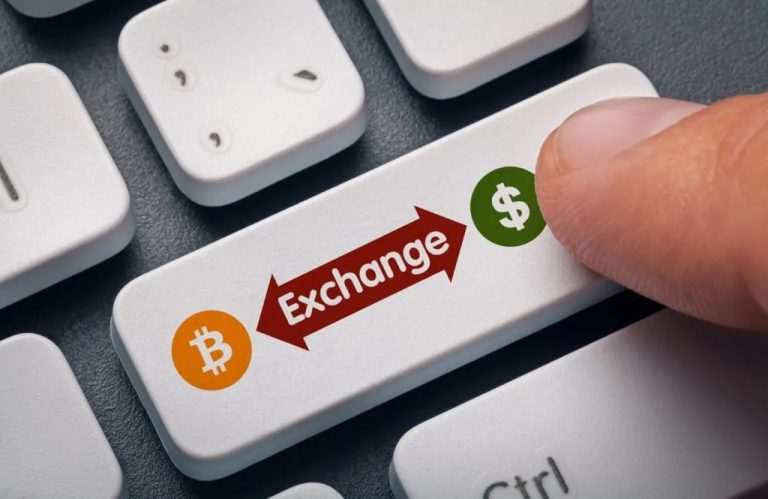
Forced settlement is a market dynamic often seen in derivatives, futures, or cryptocurrency trading, particularly during crises involving short squeezes, liquidations, or settlement failures.
In normal trading, participants (buyers and sellers) are price-sensitive—they seek good deals and avoid overpaying. However, when “forced settlements” occur, certain parties become price-insensitive buyers.
They must acquire the asset like Bitcoin, stocks, or commodities immediately, regardless of cost, to meet obligations. This happens in these key scenarios: Cryptocurrency exchanges facing a “settlement squeeze”: If an exchange has issued more “paper” claims than actual coins held in reserves, and users demand withdrawals during a crisis, the exchange faces a shortfall.
To avoid default, insolvency, or legal consequences “to stay out of jail” as some analysts put it, the exchange rushes into the open market to buy the missing coins at any available price.
Register for Tekedia Mini-MBA edition 20 (June 8 – Sept 5, 2026).
Register for Tekedia AI in Business Masterclass.
Join Tekedia Capital Syndicate and co-invest in great global startups.
Register for Tekedia AI Lab.
This turns them into aggressive, price-insensitive buyers, driving sharp upward price spikes—often non-linear or explosive rallies not tied to organic adoption but to forced covering.
Bitcoin rallies stem from these squeezes when spot vs. paper imbalances force exchanges to cover urgently, potentially causing 5–10x jumps in extreme cases.
In cases of short selling without delivery, if settlement fails, exchanges or clearing houses may conduct special auctions. Short sellers or brokers become forced buyers at whatever price is needed to close the position and complete delivery.

The exchange or counterparty acts as a “forced buyer” who is price-insensitive because they must settle—leading to premiums, up to 20% above market and upward pressure, especially in illiquid stocks. In leveraged markets, sharp price moves trigger margin calls and forced liquidations.
For shorts, this means forced buying to close positions, which can cascade upward if many shorts liquidate simultaneously. While exchanges themselves rarely become direct buyers here, brokers or clearing members may step in aggressively if needed to manage risk, amplifying buying pressure.
In all cases, the key shift is from voluntary, price-aware trading to compelled, urgency-driven buying—removing normal downward price pressure and creating rapid, amplified moves higher. This mechanic explains sudden “inexplicable” pumps in volatile markets like crypto, where structural fragilities turn routine events into explosive squeezes.

Fractional reserve risks in crypto refer to practices where centralized entities — primarily exchanges, custodians, or platforms — hold less than 100% of customer-deposited assets in actual reserves like cold storage wallets or liquid backing. Instead, they may lend, rehypothecate (re-use the same assets multiple times as collateral), or use deposits for internal operations, creating multiple claims on the same underlying asset.
This mirrors traditional banking’s fractional reserve system but amplified in crypto due to: High volatility. Lack of deposit insurance. Speed of digital withdrawals. History of opacity and fraud.
If many users demand withdrawals simultaneously a “run”, the platform may lack sufficient real assets, leading to delays, freezes, or insolvency. Past examples like FTX and Celsius showed how hidden fractional practices triggered collapses when trust evaporated.
Rehypothecation creates interconnected exposures. One entity’s failure can cascade, as seen in 2022 contagion. In 2025–2026 analyses, studies suggest exchanges should hold 6–14% extra reserves beyond 1:1 backing to withstand stress, per AR-GARCH modeling on proof-of-assets data.
Derivatives (perpetuals, options, ETFs, wrapped BTC) allow synthetic claims far exceeding on-chain supply. One BTC can back multiple products simultaneously, turning price discovery into a “fractional-reserve” system off-chain. This doesn’t alter Bitcoin’s 21M cap but can suppress rallies or amplify dumps via forced liquidations and shorting.
Many exchanges now publish PoR audits e.g., Merkle-tree verified snapshots showing ?100% backing. However, PoR is point-in-time and doesn’t guarantee ongoing solvency, asset quality, or prevent off-balance-sheet risks. Failures often stem from mismanagement beyond what PoR catches.