

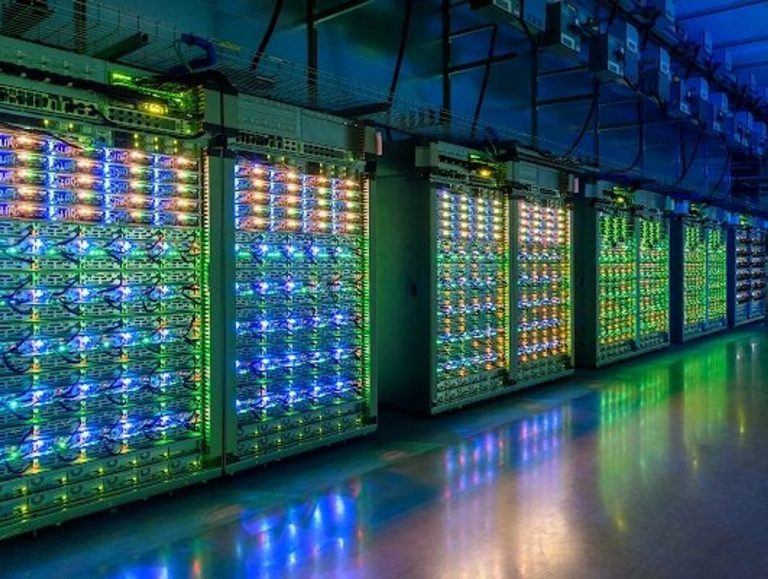
The artificial intelligence boom is entering a new phase, and the biggest challenge may no longer be finding enough computing power. Instead, it may be finding enough places where that computing power can be built.
Across Australia, Europe and Asia, communities are increasingly pushing back against the construction of massive AI data centers, raising questions about whether the infrastructure needed to power the AI revolution can expand as quickly as investors expect.
In Sydney, residents opposed a proposed Goodman development that would have placed an AI data center roughly 20 meters from nearby homes.
Register for the next Tekedia Mini-MBA.
Register for Tekedia AI in Business Masterclass.
Join Tekedia Capital Syndicate and co-invest in great global startups.
The project was eventually abandoned, highlighting the growing importance of community opposition. Similar resistance has emerged in South Korea, where residents have spent months protesting data-center developments.
In Japan, a lawsuit has reportedly raised concerns about noise, hot air and the loss of sunlight caused by large computing facilities. The backlash is not limited to individual communities. In the United States, local opposition blocked or delayed nearly $200 billion worth of data-center projects during the first half of 2026.
Public sentiment is also becoming a significant obstacle. With 72% of Americans reportedly opposing an AI data center being built near their homes, developers face a difficult balancing act between meeting enormous demand for computing capacity and addressing concerns about quality of life.

These developments matter because AI companies are spending extraordinary amounts of money on infrastructure. Advanced models require huge quantities of electricity, cooling and specialized chips.
Data centers therefore sit at the heart of the AI economy. If projects are delayed by permitting battles, lawsuits or community protests, the consequences could extend beyond construction companies and utility providers to the technology companies and semiconductor firms that depend on continued expansion.
That makes Nvidia’s performance particularly important. The chipmaker recently reached an intraday high of approximately $237.83, reflecting continued investor confidence in the long-term AI spending cycle.

Wall Street analysts remain optimistic, with Morgan Stanley restoring Nvidia as its top semiconductor pick and maintaining a $300 price target following meetings with management. Nvidia has also strengthened its commitment to shareholders.
The company recently added $150 billion to its share-buyback authorization, bringing the remaining program to approximately $235 billion. Meanwhile, the average analyst price target stands near $327.70, representing roughly 40% potential upside from Friday’s closing level. The most optimistic forecast suggests nearly 99% upside.
However, those bullish expectations depend heavily on one assumption: that AI companies will continue spending at the extraordinary pace seen during the current infrastructure boom. If data-center construction increasingly encounters resistance, the industry could face an unexpected bottleneck.
More chips cannot solve problems involving land, electricity, environmental concerns, noise and community acceptance. November’s earnings reports could therefore become an important test for the AI investment story.
Investors will be watching whether technology companies maintain their infrastructure commitments and whether Nvidia continues to see strong demand for its processors. The AI revolution may still have enormous room to grow, but its next challenge is increasingly clear.
The industry needs not only more chips and capital, but also communities willing to host the physical infrastructure that makes artificial intelligence possible.