

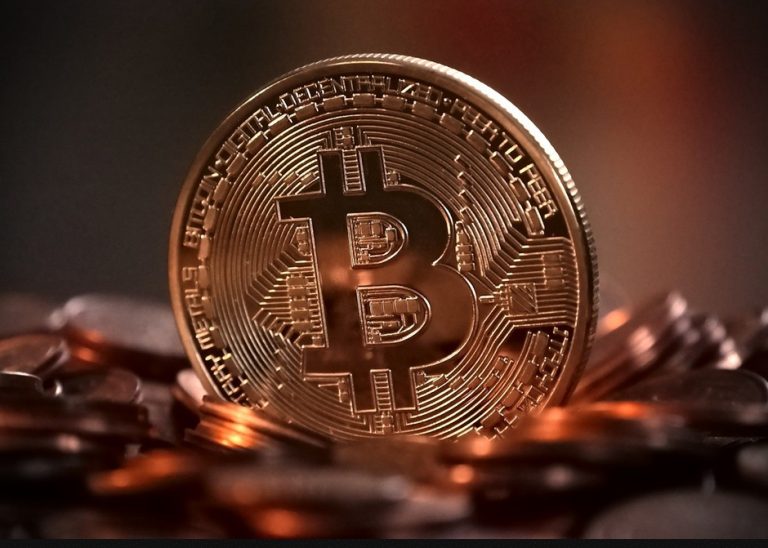
Bitcoin began as a small idea in 2009, shared by a few coders online. Now the orange coin shows up in games, song sites, art shops, and many web hubs. Stores that once took only cards now add a clear “Pay with Bitcoin” mark. The shift can look sharp when you scroll fast. Yet it grew in steps, more like a path than a leap. Web fun gave it a shove early on, since people spend money there with less thought. Casino fans read on what to play before they risk real cash on spins. Those same fans saw Bitcoin move funds fast across lands, with less bank fuss and lower costs. After that ease, they asked for the same pay on stream sites, chat apps, and work sites. Soon, web firms saw that this ask came from tech-wise users with cash to spend. The pull did not come from hype alone, since users also liked the feel of full control. The next parts dig into why that pull keeps growing in daily web life.
The Appeal of Decentralized Payments in Gaming and Beyond
In games, time feels loud. Players hate slow bars and late prize pays after a hard win. Bitcoin fits that urge since the net runs day and night, even when banks shut. A teen in Brazil can send coins to a dev in Sweden in under an hour. No bank desk steps in, and no clerk asks why you pay. The game ships a skin or code, and no one can pull the payback. That same speed helps stream sites send small pay to indie acts with less fee loss. Many sites send cash in small bits, and card rails can chew up each bit. Coders also like the clear trail on the chain. Each Satoshi leaves a public mark that acts like a shop log you can check. Bad go-betweens find it harder to skim funds when all moves leave marks. This mix of speed and clear logs suits web play, since it feels as quick as a click.
Lower Fees and Stronger Security for Online Shops
Small web shops live on thin gains. Each card swipe can take three to five percent in fees. For a niche shop, that bite can block new stock or force a close. Bitcoin can cut that cost for many sales. Net fees move up and down, yet they often sit well under one per cent. Some shops group many sales into one send, so each sale costs less. Fraud adds more harm, and the pain lands on the shop, not the thief. With Bitcoin, a buyer can not force a payback after the shop sends a file or key. Buyers win too, since they do not hand out card data that can leak later. They pay with a one-time code, and they keep their key at home. These cuts and gains help small shops take on big ones in art, class files, and fan goods. Each saved cent can fund new work, so more shops give that orange mark a top spot.
Empowering Creators and Gig Workers
Gig work runs on quick swaps of worth. A design pro sends a logo file. A host drops a bonus show, or a gamer streams a speed run. Big pay sites tend to pay in lumps, and they can make folks wait days. If you live far from the Northlands, bank fees can feel like a fine on your own time. Bitcoin gives a self-run path that cuts out that wait. A singer can place a QR code under a clip and take tips right from fans. A writer can lock a paid post, then open it when a small coin sum lands. The net has no border, so a fan in Kenya can pay a coder in Poland. This kind of peer pay makes tiny tips make sense again. One tip may seem small, yet many tips can pay rent or gear in the end. The chain also lets a donor check the pay code, so fans know the right person got it.
Looking Ahead: Obstacles and Opportunities
No wave moves in a clean line, and Bitcoin has rough spots. Big price swings scare new folks who fear a ten-dollar pay may drop to eight by night. Power use draws loud talk, even as many miners chase cheap green power. Some tap spare hydro in far hills, while some burn waste gas that firms once flared. Law rules add drag too, since some lands back the tech and some set tight bans. Yet each snag can spark a fix and lift trust over time for most users. Price risk pushes more sites to swap coins for local cash at the sale time. Many firms use fast swap tools, so a sale ends in local cash at once. Mixed law rules push devs and law folk to talk, not fight. Most users like that calm, direct flow. To sum up, Bitcoin has entered web life since it saves time, cuts fees, and fits world trade. If these fixes keep pace, the coin may feel like a plain choice online.