

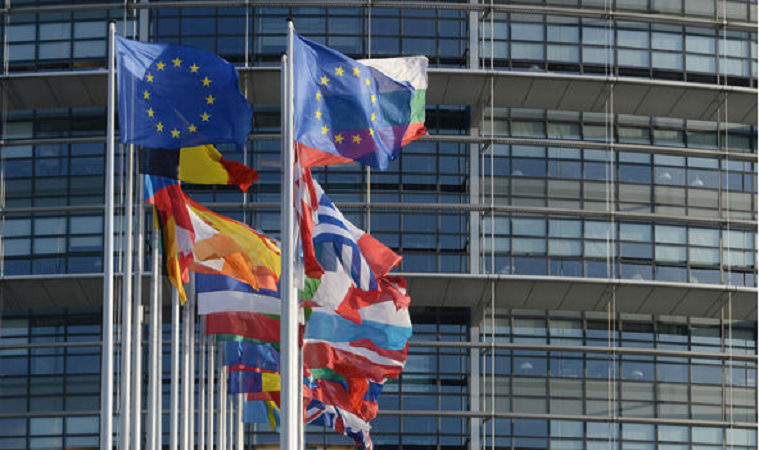
Nigeria’s electoral processes attract attention well beyond its borders. Since the return to democratic governance in 1999, foreign governments, diplomatic missions and international organisations have maintained a sustained interest in the country’s elections, expressing views on electoral credibility, democratic governance, institutional accountability, political participation and electoral security. As Nigeria prepares for the 2027 general elections, understanding these international perspectives is becoming increasingly important for policymakers, electoral institutions and organisations working to strengthen democratic governance.
Our analyst examines foreign statements about Nigeria’s elections between 1999 and 2027, which reveals an interconnected landscape of diplomatic expectations, democratic concerns and geopolitical interests. These conversations are not necessarily expressions of a common international position. Rather, they reflect how different governments, institutions and diplomatic representatives interpret Nigeria’s electoral experiences in relation to their respective political, institutional and strategic priorities.
Electoral credibility remains a prominent area of international engagement. Foreign actors have expressed views on the performance of the Independent National Electoral Commission (INEC), electoral transparency, political participation, electoral violence and the credibility of electoral outcomes. The significance of these concerns extends beyond international commentary. They have implications for Nigeria’s democratic reputation, institutional legitimacy and relationships with international partners.
Register for the next Tekedia Mini-MBA.
Register for Tekedia AI in Business Masterclass.
Join Tekedia Capital Syndicate and co-invest in great global startups.
For institutions responsible for managing and strengthening the electoral process, this presents an important consideration: international perceptions are increasingly part of the broader environment within which electoral credibility is established and assessed. Understanding the issues that shape these perceptions can help institutions anticipate concerns, strengthen public communication and engage more effectively with international stakeholders.
However, foreign perspectives on Nigeria’s elections cannot be understood exclusively through the lens of democratic standards. They also intersect with economic cooperation, security partnerships and bilateral relationships. References to China’s economic relationship with Nigeria, international development support, security cooperation and possible sanctions demonstrate that electoral conversations are situated within broader diplomatic relationships.
How do international actors balance their expectations of democratic governance with their wider economic, security and diplomatic interests? The answer matters because international actors do not necessarily approach Nigeria’s elections from identical perspectives. Some place greater emphasis on electoral accountability, democratic standards and institutional reforms, while others prioritise national sovereignty, bilateral cooperation and non-interference. These differences do not automatically translate into diplomatic disagreements, but they influence the expectations and approaches through which international partners engage with Nigeria.

The institutional identity of the actors making these statements is equally important. The European Union, its delegation to Nigeria, ECOWAS and representatives of individual foreign governments occupy different diplomatic and institutional positions. Their statements should therefore be interpreted in relation to their respective mandates, authority and political contexts. Distinguishing institutional positions from individual diplomatic commentary is essential to understanding the implications of international engagement.
For Nigerian policymakers, this diversity reinforces the importance of strategic diplomatic intelligence. Monitoring what international actors say about the country’s elections should go beyond collecting statements or tracking election-related announcements. It should identify recurring concerns, emerging expectations, areas of agreement and differences in international positions. Such intelligence can support more informed diplomatic engagement and enable relevant institutions to respond to concerns with evidence rather than assumptions.
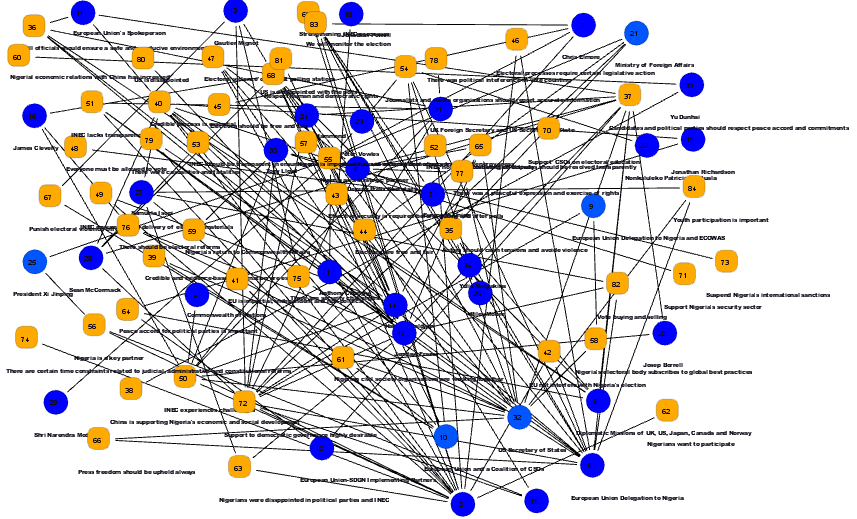
The historical dimension offers another important lesson. International perspectives have evolved alongside Nigeria’s democratic experience, from the transition of 1999 and subsequent electoral controversies to changing political competition and the adoption of new electoral technologies. Examining these developments across successive election cycles can reveal which concerns have persisted, which have changed and which new issues are entering international conversations.

Ahead of 2027, artificial intelligence, digital political communication, electoral technology and information integrity are particularly relevant areas for institutional attention. The credibility of elections increasingly depends not only on the administration of voting and result management but also on the information environment in which citizens engage with political processes. These developments create new responsibilities for electoral institutions, policymakers, diplomatic stakeholders and organisations supporting democratic accountability.
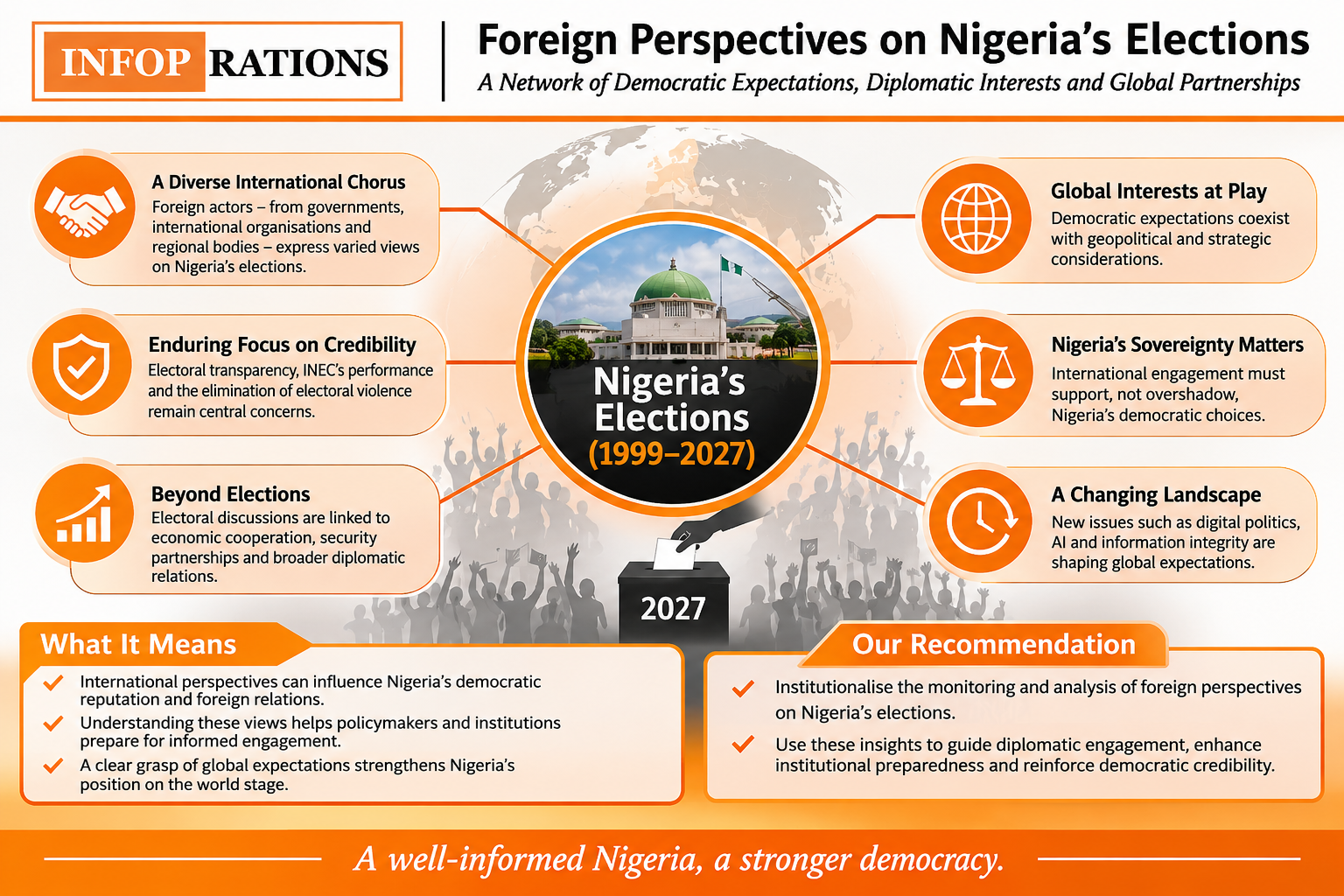
There is therefore a strong case for institutionalising the monitoring and analysis of foreign perspectives on Nigeria’s elections. A systematic approach would help identify the actors shaping international conversations, the issues attracting diplomatic attention and the changing expectations surrounding Nigeria’s democratic development. It would also provide a stronger evidence base for diplomatic engagement, institutional communication, electoral preparedness and international cooperation.
Editor’s Note: Hassan Farhan-faahiz Adeoye collects and aggregates statements from foreign diplomatic missions, presidents and ambassadors for analysis in this report.