

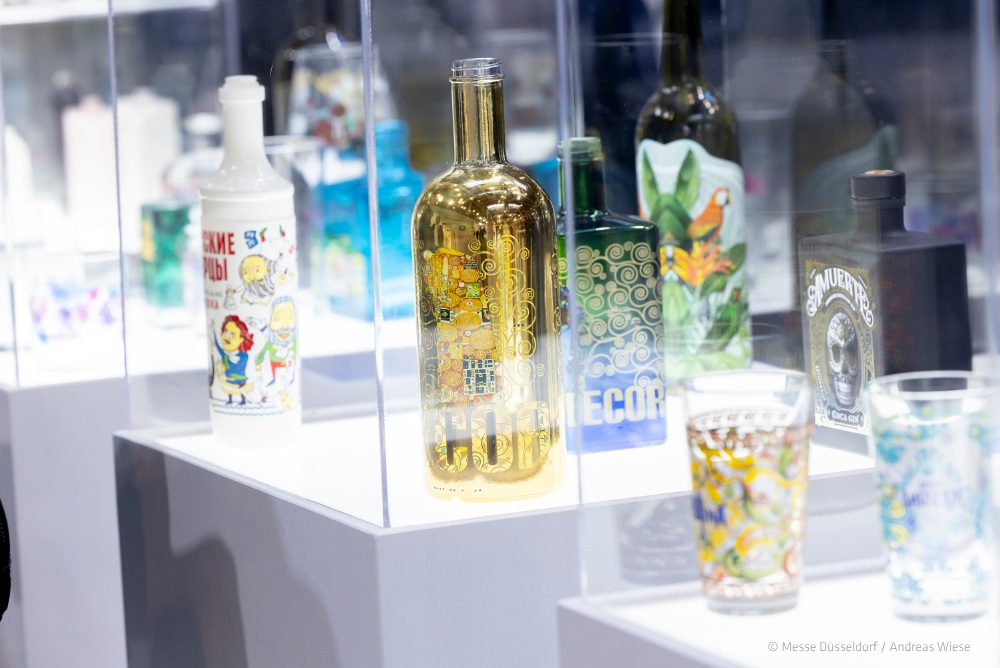
Glass is back in beauty, fragrance, and home scent because it solves a modern tension: consumers want premium products that also feel responsible. Glass is highly recyclable, it protects sensitive formulas, and it signals quality on shelf. The trade-off is operational: glass is heavy, fragile, and often tied to longer lead times when decoration, custom molds, or complex closures are involved.
Brands are reducing that risk by choosing partners that combine design innovation with operational readiness. The Calaso and Estal collaboration shows how sustainable luxury can move from marketing language to packaging engineering.
The market forces pushing glass forward
Three forces are converging:
- Premiumization in skincare, fragrance, and home scent
- Pressure for proof on recycled content and footprint
- Differentiation through shape, base design, and decoration
Eco-innovation that keeps the premium cues
The current wave of glass innovation aims to keep luxury cues while reducing material and emissions. In practice, that often means:
- Lightweighting through optimized geometry
- Higher recycled content to lower energy demand in production
- Structural illusion such as raised bases that look substantial without adding unnecessary mass
Estal is known for this intersection of design and sustainability. The curated portfolio around Estal on Calaso is a practical reference point for teams comparing designs that balance aesthetics with efficiency.
A quick choice guide for product teams
Cosmetic jars
Ideal for creams, balms, masks, and premium skincare lines.
- Strong barrier properties and broad closure compatibility
- Clean lines and high-end decoration options
- Lightweight formats and recycled glass variants can reduce footprint
Glass bottles for skincare and haircare
Ideal for serums, oils, and high-value formulations.
- Good chemical resistance and premium hand-feel
- Distinctive shoulders, bases, and finishes create a recognizable brand code
- Standardized neck finishes and lighter designs can reduce breakage risk
Perfume bottles
Ideal for fine fragrance and niche launches.
- High clarity supports a luxury perception
- Sculpted forms and raised bases create presence
- Recycled glass can add character without sacrificing quality
Home fragrance bottles
Ideal for diffusers and room sprays.
- Stability matters, especially for diffuser formats
- Wide bases and elegant silhouettes support both safety and aesthetics
- Optimized shapes can reduce material while keeping a premium look
The operational reality brands must plan for
Execution can fail if operations are not planned. Common friction points include lead times for decorated glass, tighter quality tolerances, and logistics costs driven by weight and fragility.
Many teams start with proven, in-stock formats and scale into customization later. Browsing premium glass bottles can help benchmark shapes, capacities, and finishes before committing to bespoke tooling.
Practical next steps for founders and packaging leads
- Request samples early and run drop, leakage, and compatibility tests.
- Ask for recycled content and footprint data and clarify what is measured.
- Plan decoration with end-of-life in mind since some coatings can complicate recycling.
- Standardize where possible to reduce risk and speed up sourcing.
Glass can be both premium and responsible when design, sustainability, and supply chain decisions are made together.