The Solana ecosystem continues to attract major institutional and financial infrastructure providers, with two significant developments highlighting the network’s growing role in global finance.
Mubadala Capital’s Alternative Solutions Fund has gone live on Solana through KAIO, while Tryramp has introduced 24/7 stablecoin accounts and payment services that settle directly on the blockchain.
These milestones demonstrate how Solana is evolving beyond a cryptocurrency network into a foundation for institutional investing and always-on digital payments.
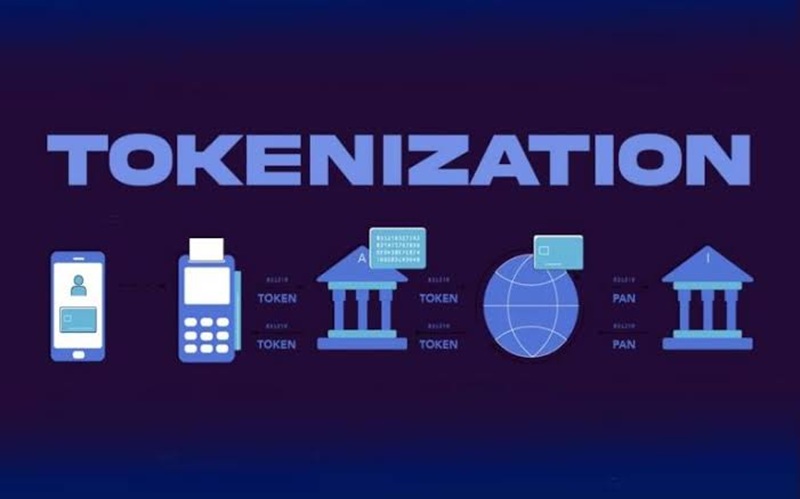
Mubadala Capital, the asset management arm of Abu Dhabi’s sovereign wealth ecosystem, bringing its Alternative Solutions Fund to Solana via KAIO represents another step in the tokenization of real-world assets (RWAs).
By making investment products accessible on a public blockchain, institutional funds can potentially benefit from faster settlement, enhanced transparency, and broader accessibility.
Rather than relying solely on traditional financial rails that often involve multiple intermediaries and limited operating hours, tokenized fund structures can leverage blockchain technology to streamline ownership records and improve operational efficiency.
KAIO’s infrastructure enables institutional-grade financial products to exist on-chain while maintaining compliance and professional asset management standards. This reflects a broader industry trend in which leading investment firms are exploring blockchain technology to modernize capital markets.
As regulatory frameworks around digital assets continue to mature, tokenized investment funds are increasingly viewed as a bridge between conventional finance and decentralized infrastructure.
Tryramp’s launch of 24/7 stablecoin accounts and payment services on Solana addresses one of the longstanding limitations of traditional banking: restricted operating hours.
Conventional financial systems generally pause settlements during weekends, holidays, and after business hours. Blockchain networks, however, operate continuously, allowing transactions to be processed at any time of the day.
With stablecoin accounts settling on Solana, businesses and individuals gain access to near-instant transfers without waiting for banking windows to reopen. This capability is particularly valuable for international commerce, payroll, remittances, and treasury management, where delays can create unnecessary costs and liquidity constraints.
Stablecoins have already become one of the fastest-growing sectors in digital finance, and infrastructure providers like Tryramp are building practical tools that integrate these digital dollars into everyday financial operations.
The choice of Solana is also significant. The blockchain has established itself as one of the industry’s highest-performance networks, offering low transaction costs, rapid settlement, and high throughput.
These characteristics make it attractive for applications requiring frequent transactions, including payments, tokenized securities, and institutional financial products. As more enterprises seek scalable blockchain infrastructure, Solana continues to position itself as a preferred destination for real-world financial applications.
These announcements also reinforce a larger trend unfolding across global finance. Rather than viewing blockchain solely as a speculative technology, institutions are increasingly using it as financial infrastructure.
Tokenized funds, stablecoin payments, and on-chain settlement systems are gradually becoming practical services with measurable efficiency gains. Financial firms are recognizing that blockchain can reduce friction, improve transparency, and enable new business models that were difficult to implement within legacy systems.
For the broader digital asset industry, the participation of established institutions such as Mubadala Capital and the expansion of payment services through companies like Tryramp add credibility to blockchain adoption.
Each successful deployment demonstrates that public blockchain networks can support enterprise-grade financial operations while serving users across different jurisdictions.
These developments illustrate how Solana’s ecosystem is expanding beyond decentralized finance into mainstream financial services. As tokenized investment products and always-on payment solutions continue to gain traction, the network is strengthening its position as a key layer for the future of digital finance.
If this momentum continues, Solana could play an increasingly important role in connecting traditional capital markets with the next generation of blockchain-powered financial infrastructure.