DD
MM
YYYY

PAGES

DD
MM
YYYY

spot_img

PAGES

Home Blog

Bullish Reasons Bitcoin May Rebound Above $80,000 Relatively Soon

0

As of early February 2026, Bitcoin (BTC) is trading around $76,000–$79,000 based on recent market data from sources like CME futures, Coinbase, and real-time trackers, having recently broken below the $80,000 level for the first time since mid-2025.

This represents a significant pullback—roughly 40% from its 2025 peak above $120,000—driven by factors like liquidity concerns in the U.S. financial system, speculation around a potentially tighter Federal Reserve policy under new leadership, a stronger U.S. dollar, leveraged position liquidations over $2 billion in recent sessions, and broader risk-off sentiment amid macro uncertainties.

The question implies reasons why this dip below $80,000 may prove temporary, with Bitcoin unlikely to remain suppressed there for an extended period. Here’s a breakdown of key bullish arguments and counterpoints drawn from current market analysis: Corrections of 35–40% or even deeper are common during Bitcoin bull runs, not signs of a bear market reversal.

Analysts note that $75,000–$80,000 aligns with a typical “deepest pullback” in this cycle, often serving as a buying opportunity rather than a floor for prolonged weakness. Previous cycles show quick recoveries after such drawdowns when sentiment extremes like current “fear” spikes hitting 2026 highs attract dip buyers.

Structural Support and On-Chain Metrics

Levels around $80,000 have acted as key support in late 2025 (e.g., November lows), with the “True Market Mean Price” (a long-term fair value metric) sitting near or just above it. ETF cost bases hover nearby ~$84,000 aggregate, suggesting institutional holders may defend these zones.

Some on-chain data indicates positive momentum building modestly, and extreme fear often precedes reversals. Expectations persist for eventual Fed accommodation post-May 2026 leadership clarity potentially turning dovish, rate cuts, or liquidity injections that favor risk assets.

Bitcoin has historically benefited from “debasement themes” e.g., rotation back from overcrowded assets like precious metals into crypto as real yields compress. Institutional inflows via spot ETFs and growing adoption could accelerate if regulatory clarity emerges.

2026 predictions remain constructive overall, with many targeting $100,000–$150,000+ by year-end or beyond some as high as $225,000–$250,000 in bull cases. Factors include Bitcoin’s fixed supply, ongoing institutional capital flows, and its role as a non-sovereign hedge against inflation/policy risks.

Even conservative views see rebounds to $100,000+ if key resistances are reclaimed. Ongoing liquidity squeezes, potential further Fed tightening signals, or macro shocks could push toward $70,000–$75,000 or lower in extreme bear cases, with outliers mentioning $40,000+ drawdowns over months.

Thin support in the $70,000–$80,000 range increases volatility, and leverage unwinds can cascade quickly. Fear is elevated, with social commentary and liquidation-driven slides dominating. Metals (gold/silver) are outperforming as safe-havens, diverting flows from crypto.

Bulls appear “silent” in the short term, and failure to reclaim higher levels (e.g., $90,000+) could extend the consolidation or downtrend. In summary, while Bitcoin is in a sharp correction amid macro headwinds and has broken key psychological/technical support at $80,000, many indicators point to this being a temporary phase within a broader bull cycle rather than a sustained bear market.

Rebounds often follow such fear extremes, especially if liquidity improves or dip-buying intensifies. However, crypto remains highly volatile—further downside is possible before any meaningful recovery. Always consider multiple sources and your risk tolerance, as prices can shift rapidly.

Meanwhile, BTC continues to struggle.

Concerns over Bitcoin’s stability mounted this week as a crypto selloff erased nearly half a trillion dollars in digital currencies. The market value of all crypto has fallen by $467.6 billion since Jan. 29, Bloomberg reports, with Bitcoin dropping roughly 40% since October to 15-month lows. Geopolitical instability has led investors to avoid risky assets, with one analyst noting that Bitcoin’s dip below $73,000 this week “has pushed sentiment into extreme fear.” Bitcoin’s volatility has shaken the belief it could serve as a “digital gold” safe haven.


Bitcoin Halving Enforces Scarcity and Historically Supported Long-term Price Appreciation

0
CREATOR: gd-jpeg v1.0 (using IJG JPEG v80), quality = 82

The Bitcoin halving is a programmed event in Bitcoin’s protocol that occurs approximately every four years; every 210,000 blocks, reducing the block reward for miners by 50%.

This mechanism, designed by Satoshi Nakamoto, controls Bitcoin’s issuance rate and enforces its fixed maximum supply of 21 million BTC. Halving cuts the daily influx of new BTC from ~900 BTC/day pre-2024 to ~450 BTC/day post-2024 halving.

Bitcoin’s inflation rate drops significantly with each event. Post-2024, the annual inflation rate fell to around 0.85% from 1.7% prior, and with ~94-95% of total supply already mined by 2026, future halvings have progressively milder supply shocks.

New supply slows until the final halving around 2140, when no new BTC will be created (rewards drop to zero, and miners rely on transaction fees). This supply-side reduction creates a “supply shock” if demand holds steady or grows, as fewer new coins enter circulation while miners may sell less to cover costs though profitability pressures can lead to short-term selling.

Historical Price Effects

Halvings have historically been associated with bullish price cycles, though causality is debated other factors like adoption, macro conditions, and speculation play roles. Peaks often occur 12-18 months post-halving.

1st Halving (Nov 28, 2012): Reward from 50 ? 25 BTC. Price ~$12 at event ? rose dramatically to over $1,000+ by late 2013 (multi-thousand % gains in the cycle). 2nd Halving (Jul 9, 2016): 25 ? 12.5 BTC. Price ~$650 ? surged to nearly $20,000 by end-2017 (over 1,200% in following period). 3rd Halving (May 11, 2020): 12.5 ? 6.25 BTC. Price ~$8,700 ? hit all-time high ~$69,000 in 2021 (645-700%+ gains post-event). 4th Halving (Apr 20, 2024): 6.25 ? 3.125 BTC. Price ~$64,000 at event.

Post-halving saw a rally to an ATH around $126,000 in October 2025 roughly 100% gain to that point, but with more subdued volatility compared to prior cycles due to institutional involvement like spot ETFs launched Jan 2024 absorbing flows far exceeding miner supply.

Post-halving performance shows a pattern of diminishing percentage returns as the market matures and absolute supply shock lessens. Reduced new supply + steady/increasing demand from adoption, institutional inflows, “digital gold” narrative pushes prices up.

Halvings generate hype, media attention, and FOMO, driving buying. Lower rewards can force inefficient miners out, consolidating hashrate, but price appreciation often compensates profitable ones.

Bull runs have followed halvings, though timing varies (e.g., initial dips or consolidations before major legs up). The classic “four-year cycle” (halving ? bull run ? peak ? correction) may be weakening. The 2024-2025 cycle showed smaller relative gains and lower volatility, influenced by: Institutional dominance: Spot ETFs and corporate treasuries (e.g., MicroStrategy) now drive flows 10x+ daily mining output, overshadowing miner selling.

Correlation with broader risk assets, liquidity, interest rates, and geopolitics often overrides halving effects. Diminishing supply impact: With most BTC mined, halvings create less dramatic scarcity shocks.

Some analysts argue the cycle is “dead” or evolving, with 2026 potentially seeing range-bound action ($90K-$120K base case) unless major catalysts like further Fed easing, regulatory clarity, or adoption surges emerge.

Short-term, halvings can cause volatility around the event due to anticipation and repositioning. In summary, halvings primarily enforce scarcity and have historically supported long-term price appreciation by curbing inflation and amplifying demand pressures.

However, they are not a guaranteed price pump—outcomes depend on broader market conditions, and past performance isn’t indicative of future results. Bitcoin remains highly speculative and volatile.

Understanding Financial Neutrality in 2026

0

In an era of escalating geopolitical tensions, financial neutrality has emerged as a critical strategy for individuals, corporations, and nations alike.

At its core, financial neutrality refers to the ability to store, transfer, and protect value without reliance on politically controlled financial systems—think of it as a safeguard against asset freezes, sanctions, or arbitrary de-platforming.

This isn’t just theoretical; it’s a response to real-world brinkmanship where tools like the U.S. dollar and SWIFT payments are increasingly weaponized for foreign policy. With the second Trump administration’s “America First” agenda amplifying global leverage plays, such as the recent U.S. intervention in Venezuela, the traditional financial rails are no longer seen as reliable or impartial.

The shift stems from what experts call “strategic instability,” where economic cooperation gives way to resilience-building. In this landscape, value must move via “mathematical sovereignty”—code-based systems that operate independently of any single authority.

Blockchain technology, underpinning cryptocurrencies, enables this by providing “economic continuity” even when traditional infrastructure falters. For instance, nations like El Salvador have amassed over 7,000 BTC valued at around $706 million as of early 2026 as legal tender, treating it as a hedge against external pressures.

Similarly, Iran’s integration of crypto for imports and reserves processed $7.78-7.8 billion in 2025 alone, demonstrating how it bypasses sanctions to maintain liquidity.

The Geopolitical and Economic Drivers

2026 marks a turning point because the global economy is splintering into multipolar networks.

The Bank for International Settlements (BIS) implemented its framework on January 1, 2026, dictating how banks can engage with crypto: only regulated, transparent, and fully backed stablecoins get favorable treatment, while others face high capital requirements or restrictions.

This isn’t just regulatory housekeeping—it’s reshaping liquidity flows, with banks repositioning to avoid “wild west” assets. As a result, permissioned, compliant crypto rails are becoming the default for cross-border trade, remittances, and reserves.

Consider the corporate angle: Companies like Japan’s Sony Honda are launching Ethereum Layer 2 solutions for electric vehicle payments, while Germany’s Siemens and Deutsche Bank use blockchain for instant settlements, sidestepping SWIFT delays.

In Latin America, crypto transaction volumes hit $1.5 trillion between 2022 and 2025, driven by hedging against inflation and sanctions—Venezuela now trades oil for stablecoins, and Mexico sees $800 million to $1.2 billion in annual remittances via USDT.

These aren’t fringe activities; they’re core to survival in unstable regions. On the regulatory front, the U.S. has pivoted toward integration. The SEC dropped crypto as a distinct risk in its 2026 priorities, adopting a tech-neutral approach focused on broader issues like custody and AML.

Meanwhile, the GENIUS Act (enacted in July 2025) regulates stablecoins with licensing and reserve requirements, paving the way for banks to issue deposit tokens.

The proposed CLARITY Act aims to resolve SEC-CFTC overlaps, further democratizing access by clarifying token classifications and enabling onshore trading.

This regulatory clarity isn’t slowing innovation—it’s accelerating it, with institutions like JP Morgan and Citi embedding blockchain for 24/7 payments and tokenized collateral.

Why Crypto Is No Longer Optional

Simply put, opting out of crypto in 2026 means exposing yourself to avoidable risks in a weaponized financial world. When the world’s reserve currency doubles as a policy enforcement tool, crypto becomes the “only adult in the room”—a neutral alternative that can’t be frozen with a signature or tweet.

For sovereigns, it’s about preventing collapses like Venezuela’s post-2018 Petro failure, where lack of broad adoption left silos vulnerable; contrast this with Iran’s success through systemic mining and conversions.

For portfolios, “no Bitcoin” is now an active choice against the default 4-10% allocation in a $900 trillion liquidity pool. Analysts predict a $6 trillion shift from bank deposits to regulated stablecoins, forcing adaptation or market share loss.

Individuals use it as a “financial VPN” for remittances and savings, dodging inflation or blockades—Brazilians hedge against volatility, Iranians stash against rial devaluation. Predictions for the year ahead point to surged adoption: 3-5x higher conversions and 15-25% better average order values in crypto-integrated commerce.

With the EU’s MiCA framework fully enforcing by mid-2026 and global coordination ramping up, non-compliant players will exit, leaving a more resilient, interoperable ecosystem. In this multipolar reality, crypto isn’t a gamble—it’s the code that ensures continuity.

The question has flipped from “Why crypto?” to “How quickly can you integrate?” Staying neutral means staying operational.

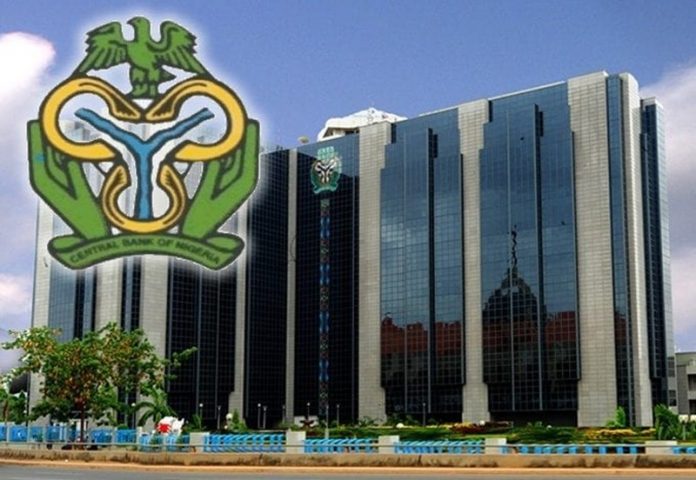
Nigeria’s Maturing Fintech Ecosystem Faces Growing Regulatory Complexity, CBN Report Reveals

0

Nigeria has emerged as one of Africa’s most dynamic fintech hubs, driven by a combination of technological innovation, progressive regulations, and a growing entrepreneurial ecosystem.

Over the past decade, the country has witnessed a remarkable expansion in digital financial services, from mobile payments and e-wallets to lending platforms, wealth management apps, and blockchain-based solutions.

As fintech becomes increasingly embedded in everyday economic activity, the scale and complexity of regulatory oversight have grown significantly. The Central Bank of Nigeria (CBN) recognizes fintech’s transformative potential to deepen financial inclusion, modernize service delivery, reduce transaction costs, and strengthen economic resilience.

However, as outlined in its report “Shaping the Future of Fintech in Nigeria: Innovation, Inclusion and Integrity,” the CBN also acknowledges that this transformation introduces new risks and places unprecedented strain on existing supervisory frameworks. Maintaining market integrity and financial stability in this evolving landscape has therefore become a central regulatory priority.

From a regulatory perspective, four key systemic challenges have emerged, informed by ongoing market surveillance, international best practices, and direct engagement with industry stakeholders.

Regulator–Regulatee Disconnect

Fintech innovation has, in many cases, outpaced structured engagement between regulators and innovators. A residual perception persists among some fintech operators that regulation functions more as a constraint than a catalyst for growth. This perception is reinforced by limited routine dialogue and insufficient co-creation during policy design.

For regulators, this disconnect increases the risk of policy misalignment, slower compliance uptake, and missed opportunities to leverage industry insights. For fintech firms, it can translate into uncertainty, friction in product launches, and reluctance to engage regulators early.

Compliance Gaps and Financial Integrity Risks

As fintech adoption accelerates, so too does exposure to systemic vulnerabilities, particularly in Know Your Customer (KYC), fraud prevention, and anti-money laundering (AML). While many firms maintain strong compliance frameworks, observable gaps remain especially among smaller or rapidly scaling operators.

Inconsistent KYC implementation, weak fraud controls, and limited transaction monitoring can expose the wider financial system to illicit activity. The regulatory challenge lies in strengthening financial integrity without stifling innovation, underscoring the need for sector-wide solutions such as shared compliance utilities and more granular, real-time oversight tools.

Supervisory Capability Constraints

The pace, scale, and technical complexity of fintech innovation continue to challenge traditional supervisory approaches. These limitations can delay risk identification and hinder proactive intervention. Given Nigeria’s global leadership in real-time payments and digital adoption, there is growing recognition that supervisory tools and capabilities must evolve at a comparable pace to ensure effective oversight.

Jurisdictional Complexity and Regulatory Overlap

Fintech business models often cut across multiple sectors, combining financial services, data analytics, telecommunications infrastructure, and cross-border operations. This multi-sectoral nature creates regulatory uncertainty, oversight gaps, and, in some cases, duplicative obligations. Regulators in turn, must navigate overlapping mandates across agencies and jurisdictions, while firms face unclear or conflicting compliance requirements.

Stakeholder feedback highlights a divided perception of the regulatory environment: 50% of respondents describe it as supportive, while the other 50% view it as restrictive. This split reflects both the progress made and the gaps that persist in regulatory engagement. Procedural clarity and the speed of regulatory decision-making emerged as the most consistent concerns. Notably, 62.5% of respondents cited approval delays and ambiguous guidelines as major constraints on product development and innovation timelines.

A strong consensus has formed around the need for more structured, two-way engagement. About 75% of stakeholders called for regular industry dialogue and feedback mechanisms to enhance transparency and alignment. Several participants proposed the creation of a dedicated fintech engagement forum similar to the Bankers’ Committee to enable high-trust, ongoing dialogue on strategy, policy, and market dynamics.

In parallel, stakeholders advocated for a Single Regulatory Window, a centralized engagement channel designed to streamline interactions across multiple regulatory bodies. Approximately 62.5% of respondents supported this proposal, describing it as a potential game changer capable of reducing regulatory friction, accelerating time-to-market, and improving inter-agency coordination.

However, participants cautioned that previous coordination initiatives, such as the Start-up Act, have struggled to achieve their objectives. For the Single Regulatory Window to succeed, clear implementation roadmaps and technology-driven solutions to multisectoral bottlenecks will be essential.

Operationally, industry actors identified lengthy product approval cycles and rising compliance costs as key barriers to scale. About 37.5% of respondents reported that bringing a new product to market can take over a year, limiting agility in a fast-moving sector. Compliance costs were highlighted as a significant burden, with 87.5% of stakeholders noting their impact on innovation capacity particularly spending related to fraud prevention, cybersecurity, and AML/CFT infrastructure.

Despite these challenges, there is strong industry support for shared compliance solutions. Stakeholders endorsed concepts such as Compliance-as-a-Service (CaaS) and fraud intelligence hubs. Around 62.5% of respondents expressed interest in a CaaS utility, citing its potential to reduce duplicative reporting, ease compliance burdens for smaller firms, and enhance supervisory visibility.

Outlook

Nigeria’s fintech ecosystem stands at a critical inflection point. Continued growth will depend not only on innovation and capital but on the evolution of regulatory frameworks that are adaptive, collaborative, and technology enabled.

The challenge ahead lies in execution ensuring that regulatory reforms keep pace with innovation while preserving trust, financial integrity, and systemic stability. If executed properly, Nigeria could reinforce its position as Africa’s fintech leader while setting a global benchmark for balanced, innovation-friendly regulation.

Chromebooks Head for a Managed Exit as Google Prepares Android PCs for the Post-ChromeOS Era

0

Google is quietly preparing to draw the curtain on Chromebooks, ending a 16-year experiment that reshaped low-cost computing in schools and offices, as newly revealed court filings, reported by Arstechnica, point to a full phase-out of ChromeOS by 2034.

The disclosure, buried in documents filed during the remedies phase of the U.S. government’s landmark antitrust case against Google, offers the clearest signal yet that the company has already decided the long-term fate of ChromeOS. While Chromebooks will continue to be supported for years, Google’s strategic focus has shifted decisively toward an Android-based PC platform known internally as Aluminium, which it expects to eventually replace ChromeOS across enterprise and education markets.

Chromebooks began modestly in 2010 with the Cr-48, a lightweight prototype laptop distributed for free to selected testers. At the time, Google was betting that the web browser could become the operating system. The idea was radical but timely: a cheap, secure device that relied almost entirely on cloud services, required minimal maintenance, and could be easily managed at scale. That proposition resonated strongly with schools, governments, and businesses looking to cut costs and simplify IT.

Over the next decade, Chromebooks became synonymous with classroom computing in the United States and several other markets, and a popular option for organizations that prioritized security and ease of deployment over flexibility. The platform also enjoyed a brief surge during the COVID-19 pandemic, when remote learning and work drove demand for inexpensive laptops. Outside those moments, however, Chromebooks struggled to break into the mainstream consumer market or compete with Windows and macOS for power users.

The court filings now suggest that Google sees little future in trying to push ChromeOS beyond those narrow use cases. As part of its defense during the antitrust proceedings, Google was required to outline how its various operating systems would evolve, particularly as regulators scrutinized its control over search, browsers, and platforms. According to reporting by The Verge, those filings confirm that Google plans to sunset ChromeOS once its existing support obligations expire.

Google currently guarantees 10 years of support for Chromebooks, but the policy is tied to hardware platforms rather than individual devices. The most recent ChromeOS hardware platform launched in 2023, meaning Google must provide updates through 2033. The documents are explicit about what follows.

“The timeline to phase out ChromeOS is 2034,” one filing states.

That timeline aligns with Google’s plans for Aluminium. Sameer Samat, Google’s Android chief, previously told the court that the company was targeting a first release of Aluminium-based machines in 2026. The newer filings add that Google hopes to put early versions of Aluminium into the hands of trusted testers by late 2026, with a broader consumer rollout likely delayed until around 2028. Over time, Aluminium is expected to supplant ChromeOS entirely in enterprise and education, effectively putting Chromebooks “on the chopping block,” as the documents suggest.

The shift reflects a long-running tension inside Google between ChromeOS and Android. When ChromeOS launched, Android was still in its infancy, designed primarily for smartphones with limited ambitions beyond that form factor. ChromeOS, by contrast, was built with laptops in mind, even if its early capabilities were spartan. Initially, Chromebooks could barely function offline and did not support local applications at all.

As user expectations grew, Google gradually expanded ChromeOS. Android apps arrived, followed by Linux support, allowing developers to run more complex software. Google even attempted to bring PC gaming to Chromebooks through Steam, an effort it quietly abandoned. More recently, the company tried to rejuvenate interest with AI-branded features under the Chromebook Plus initiative, but those additions failed to meaningfully change the platform’s perception or market position.

Android, meanwhile, has grown into Google’s most important operating system, powering billions of devices worldwide. Yet it has consistently struggled on larger screens. Tablet modes, window management, and desktop-class productivity have remained weak spots. Aluminium is designed to address those shortcomings. It is described in the filings as a long-running internal project to re-architect Android for laptops and desktops, potentially transforming it into a more powerful and flexible computing platform.

What eventually launches may not resemble today’s phone-centric Android experience. While it will share core components, Aluminium is expected to be heavily modified for PC hardware, with better support for keyboards, large displays, multitasking, and high-performance workloads. When running on modern laptops, Google believes Android’s capabilities will far exceed what ChromeOS can offer.

There are also strategic and regulatory considerations at play. Under Aluminium, Google’s own apps, including Chrome and the Play Store, are expected to enjoy special system-level privileges, while third-party apps operate with more limited access. That structure gives Google greater control over the ecosystem and user experience, while also helping it navigate the constraints imposed by recent antitrust rulings. Notably, Judge Amit Mehta’s final order excluded devices running ChromeOS or a ChromeOS successor from certain remedies, a carve-out that required Google to clearly define what counts as a successor and how Aluminium fits into its broader platform strategy.

For schools, businesses, and governments that rely heavily on Chromebooks, the message is mixed. There is no immediate disruption, and Google has years of support commitments left to honor. However, the long-term direction is clear. ChromeOS is entering maintenance mode, and future investment will increasingly flow toward Android PCs.

For Google, the transition represents a consolidation of platforms after years of parallel development. Maintaining both ChromeOS and Android has grown increasingly redundant, particularly as Android becomes more capable and regulators scrutinise Google’s sprawling ecosystem. Folding ChromeOS into a broader Android strategy allows Google to focus resources on a single, scalable operating system, even if it means retiring a product that once symbolized its cloud-first vision.

Sixteen years after the Cr-48 hinted at a browser-centric future of computing, ChromeOS is approaching a quiet, managed exit. Its demise is not marked by a press release or keynote announcement, but by a line in a federal court filing, laying out a timeline that ends in 2034.