The artificial intelligence industry increasingly resembles a Hollywood blockbuster, complete with rival factions, strategic alliances, betrayals, and unexpected plot twists.
What began as a collaborative scientific movement aimed at advancing machine intelligence has evolved into a high-stakes geopolitical and corporate drama involving some of the world’s most influential figures and companies.
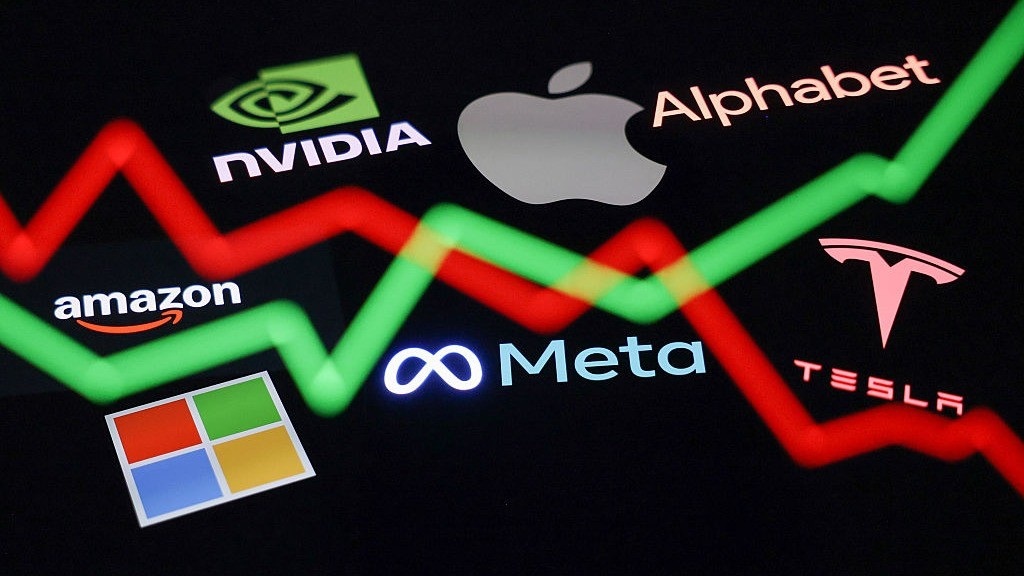
At the center of this unfolding story are companies such as OpenAI, Google, Meta, Anthropic, Microsoft, Amazon, and Nvidia. Their relationships are neither entirely cooperative nor wholly competitive.
Instead, they exist in a complex web of partnerships and rivalries that resembles the shifting alliances often seen in epic films like Game of Thrones or The Godfather.
Microsoft and OpenAI represent one of the most fascinating relationships in the AI landscape. Microsoft invested billions of dollars into OpenAI, helping transform it from a research organization into a global AI powerhouse.
In return, Microsoft integrated OpenAI’s technologies into its products, from Azure cloud services to Office applications. Yet, as OpenAI grows more independent and develops its own consumer ecosystem, questions emerge regarding how long this alliance will remain harmonious. It is a classic mentor-partner relationship that may eventually evolve into direct competition.
Meanwhile, Google finds itself in the role of the established empire defending its throne. For years, Google dominated internet search and AI research, producing breakthroughs that laid the foundation for today’s generative AI revolution.
The rapid rise of ChatGPT disrupted Google’s position, forcing the company into an accelerated race to release Gemini and other AI initiatives. Like a powerful kingdom challenged by a rising force, Google now balances innovation with the need to protect its lucrative search business.
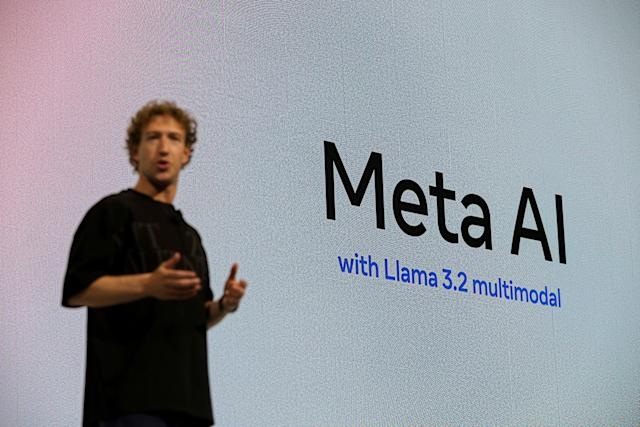
Meta, under the leadership of Mark Zuckerberg, plays the role of the unconventional disruptor. By open-sourcing many of its Llama models, Meta has positioned itself differently from competitors that rely heavily on closed ecosystems.
This strategy has earned the company significant goodwill among developers while simultaneously increasing pressure on rivals. Yet Meta’s approach also introduces tension, as open-source AI may reduce barriers to entry and redistribute power across the industry.
Then there is Anthropic, founded by former OpenAI employees. Its story mirrors the classic movie trope of former allies establishing a new faction based on different principles. Backed by both Amazon and Google, Anthropic has become one of the most important AI firms focused on safety and alignment.
The fact that two competitors are simultaneously supporting Anthropic illustrates the unusual and often contradictory nature of AI alliances. No movie would be complete without the indispensable supplier, and in the AI story, that role belongs to Nvidia.
Every major AI company depends heavily on Nvidia’s chips to train and deploy advanced models. In many ways, Nvidia is the arms dealer of the AI era, benefiting regardless of which company gains the upper hand. Its strategic position has transformed it into one of the world’s most valuable companies.
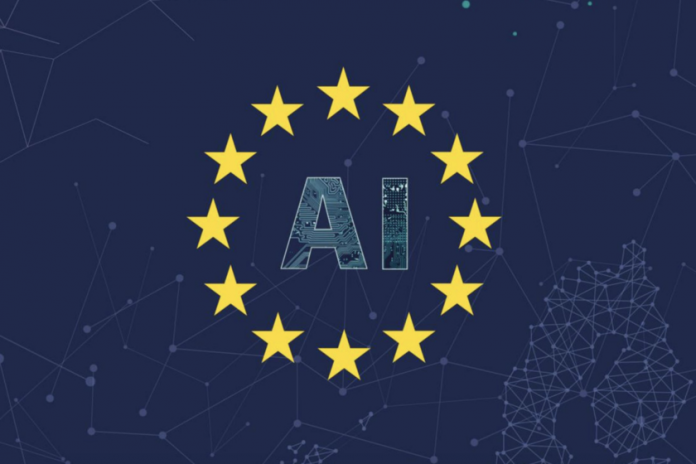
Beyond corporate rivalries, governments are increasingly becoming major characters in this narrative. The United States, China, and the European Union are all pursuing policies designed to secure technological leadership and digital sovereignty. AI is no longer merely a commercial competition; it has become a matter of economic influence, national security, and geopolitical power.
The dynamics between AI’s power players resemble a cinematic saga because the stakes are immense and the alliances are constantly changing. Today’s partner may become tomorrow’s competitor, while today’s rival may become tomorrow’s strategic ally.
As the AI revolution continues, the world is witnessing not just a technological transformation but an unfolding drama that could shape the future of global power for decades to come.