

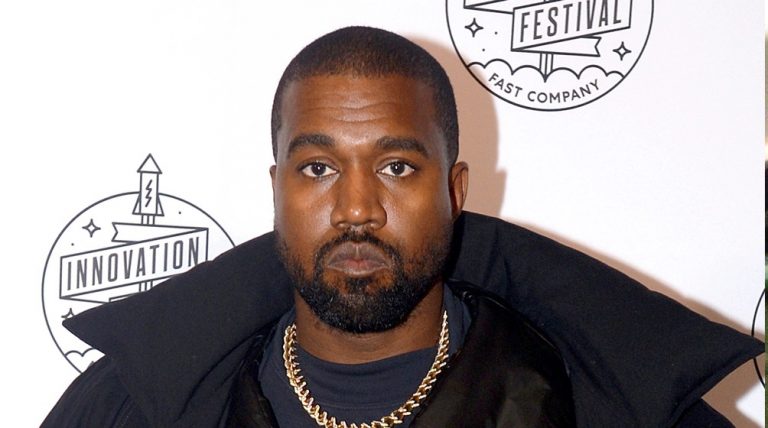
Meteora, a decentralized exchange (DEX) on the Solana blockchain, surged to become the second-highest revenue-generating platform for a brief period following the launch of Kanye West’s YZY memecoin on August 21, 2025.
The YZY token, part of the “YZY Money” ecosystem, drove unprecedented trading activity, with Meteora processing approximately $1.183 billion in trades over a 24-hour period, marking one of its most significant single-day performances. The largest YZY-USDC liquidity pool on Meteora generated over $10.18 million in fees, with a total value locked (TVL) of $147 million, including $37.47 million in USDC.
This spike was fueled by the intense market hype surrounding Kanye West’s celebrity-backed token, which briefly hit a $3.2 billion market cap before crashing to around $1.05–$1.3 billion. Meteora’s ability to handle this high-volume surge, supported by its Dynamic Liquidity Market Maker (DLMM) technology, underscored its growing prominence in Solana’s DeFi ecosystem.
However, concerns over insider trading and the token’s centralized ownership structure (94% held by insiders) highlight the speculative and volatile nature of such celebrity-driven projects. The massive trading volume and revenue ($10.18 million in fees from the YZY-USDC pool alone) spotlight Meteora’s scalability and efficiency, particularly its Dynamic Liquidity Market Maker (DLMM) model.
Register for Tekedia Mini-MBA edition 20 (June 8 – Sept 5, 2026).
Register for Tekedia AI in Business Masterclass.
Join Tekedia Capital Syndicate and co-invest in great global startups.
Register for Tekedia AI Lab.
The YZY token’s rapid rise to a $3.2 billion market cap followed by a crash to ~$1.05–$1.3 billion highlights the speculative nature of celebrity-driven memecoins. While this drove short-term revenue, it raises concerns about sustainability, as 94% of YZY’s supply is reportedly held by insiders, increasing risks of manipulation and dumps.
Meteora’s fee generation (e.g., $10.18 million from a single pool) demonstrates the profitability of concentrated liquidity models like DLMM, which optimize capital efficiency compared to traditional automated market makers (AMMs). This could encourage other DEXs to adopt similar mechanisms, intensifying competition.
The YZY launch’s insider-heavy ownership and allegations of coordinated trading raise red flags. Regulatory bodies may scrutinize such projects, potentially impacting Meteora’s operations if it’s seen as facilitating manipulative practices. Platforms may need stricter vetting for token listings to maintain credibility.

Meteora’s performance reinforces Solana’s dominance in DeFi, with its 21.8% share of Solana DEX volume in July 2025. High-profile launches like YZY could drive more developers and capital to Solana, boosting overall ecosystem liquidity and innovation.
Celebrity-driven memecoins like YZY create massive trading interest, attracting both retail and institutional traders. The $1.183 billion in 24-hour trading volume on Meteora funneled significant capital into its liquidity pools, with the YZY-USDC pool alone holding $147 million in TVL.
Meteora’s DLMM model allows liquidity providers to concentrate capital in specific price ranges, maximizing fee earnings during volatile periods like the YZY launch. The $10.18 million in fees from one pool demonstrates the potential for high returns, attracting more providers to add liquidity in anticipation of similar events.

High-profile launches enhance Meteora’s reputation as a reliable venue for new tokens, encouraging projects to launch there and liquidity providers to maintain pools for future opportunities. This creates a feedback loop: more projects ? more trading ? higher fees ? more liquidity providers.
The influx of capital into YZY-related pools can increase liquidity across other Meteora pools, as traders diversify or arbitrage opportunities arise. For example, the $37.47 million in USDC in the YZY-USDC pool provides stablecoin liquidity that can support other trading pairs.
While the YZY launch drove immediate liquidity, the subsequent crash suggests that speculative trends may lead to transient liquidity spikes. Sustained liquidity growth depends on Meteora fostering projects with fundamental value, balancing memecoin hype with stable, utility-driven tokens.
High volatility in tokens like YZY can lead to significant impermanent loss for liquidity providers, discouraging long-term participation. Insider-dominated tokens risk sudden sell-offs, which could drain liquidity if providers exit to avoid losses. Repeated crashes or scams tied to memecoins could deter users, reducing liquidity inflows unless Meteora implements robust token vetting.
However, sustaining this liquidity requires balancing speculative hype with credible projects to maintain provider confidence and user trust. Meteora’s ability to capitalize on such trends positions it as a key player in Solana’s DeFi landscape, but it must navigate volatility and regulatory risks to ensure long-term growth.