

International business conversations don’t pause just because language adds complexity. Teams negotiate across time zones. Suppliers discuss logistics over video calls. Executives review strategy in multilingual meetings where Mandarin might dominate one segment and English the next.
Everything gets recorded.
But recordings alone don’t solve anything. They sit in shared drives. They’re long. They’re difficult to skim. And when someone needs a specific statement from minute forty-three, that’s when productivity quietly drops.
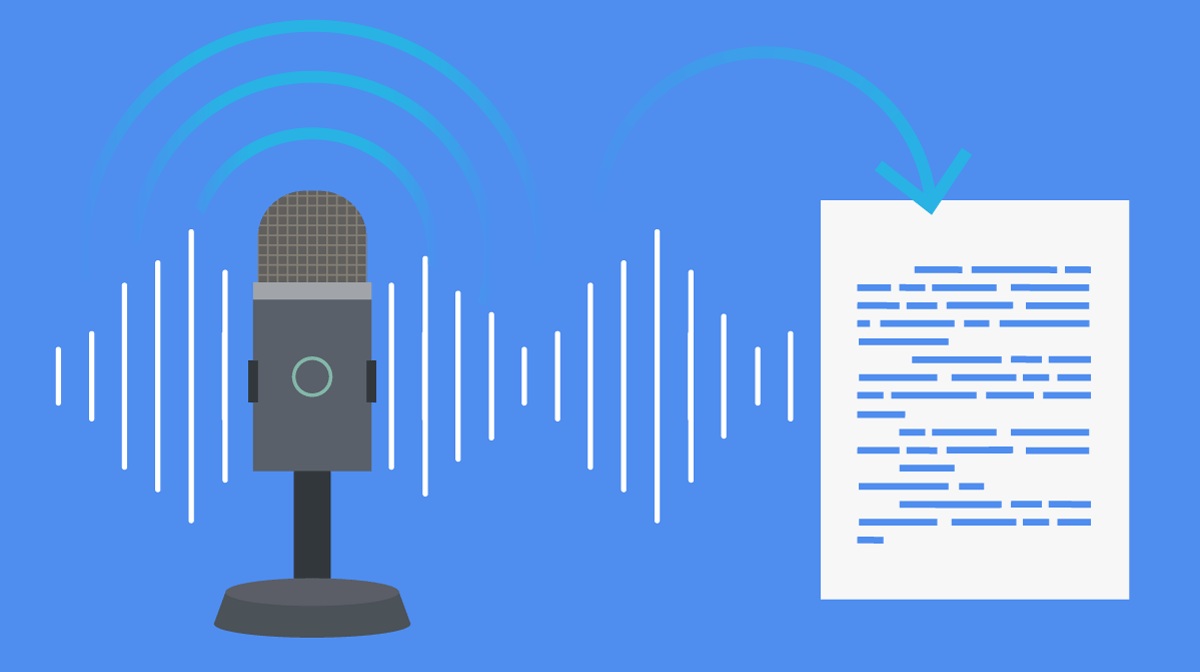
AI-powered Chinese speech-to-text tools are starting to remove that friction. They convert spoken Mandarin into written text quickly, giving companies something far easier to work with than raw audio.
When Language Becomes a Workflow Issue
In cross-border business, language isn’t just about understanding — it’s about documentation.
A sales negotiation conducted in Mandarin may need to be reviewed later by a legal team elsewhere. A product planning call with partners in Shanghai might require follow-up from colleagues who don’t speak Chinese fluently. Listening through an entire recording every time a question comes up isn’t realistic.
Text changes the situation immediately.
Once speech becomes searchable text, information becomes easier to navigate. Teams can scan for product names, deadlines, pricing details. Instead of replaying discussions, they scroll.
That difference sounds small. In practice, it saves hours over the course of a month.
The Technical Challenge Behind Chinese Speech Recognition
Chinese speech recognition isn’t straightforward. Mandarin relies on tonal distinctions that change meaning entirely. Context matters heavily. Add industry jargon or regional accents, and the complexity increases.
Modern AI systems handle this through large-scale training on spoken language data. They recognize patterns in pronunciation and learn how words behave in context. The goal isn’t just matching sounds — it’s predicting meaning based on structure and usage.
Clear recordings naturally produce stronger results. But even standard video meeting audio can often be processed into reliable drafts. That alone shifts the workload from full manual transcription to focused review.
Human oversight still plays a role for contracts or compliance-sensitive material. Yet starting from a nearly complete transcript is far more efficient than beginning from zero.
Meetings That Don’t Get Lost in Translation
Global meetings move quickly. Decisions are made, tasks assigned, numbers mentioned in passing. A week later, someone needs clarification.
Without transcription, that means replaying large sections of audio. With speech-to-text tools, it means searching for the relevant phrase.
Using a specialized solution such as a Chinese to text AI service allows companies to upload recordings and receive structured transcripts without complicated setup. The written version can then be shared, translated, or archived as needed.
Supporting Multilingual Teams Without Slowing Them Down
Many international companies operate with mixed-language teams. Some employees may understand spoken Mandarin but struggle with fast-paced discussions. Others rely on translation to participate fully.
A written transcript acts as a bridge.
Once spoken Chinese is converted into text, it can be translated more precisely. Summaries for executives become easier to prepare. Legal or compliance departments can review statements without waiting for manual transcription.
Text also provides a neutral reference point. Instead of debating what was said, teams can look at the transcript and align on the exact wording.
In environments where clarity matters, that transparency reduces friction.
Customer Conversations and Market Insight
Businesses operating in Chinese-speaking markets collect large amounts of spoken feedback. Customer support calls, focus groups, recorded interviews — all of it contains valuable insight.
Listening to dozens of recordings in full isn’t practical. Reading through transcripts, however, makes pattern recognition far easier. Repeated concerns, common phrases, and specific feature requests become visible.
Marketing teams can extract authentic quotes for reports. Product managers can identify recurring issues without replaying every conversation. Service quality reviews become more structured when conversations are documented in text form.
It’s a shift from passive listening to active analysis.
Documentation and Regulatory Needs
In certain industries, keeping clear records of communication isn’t optional. Finance, healthcare, and international trade often require documented interactions.
Audio files alone don’t always meet those standards. Written transcripts are easier to archive, audit, and search later. They provide a tangible record that can be reviewed without specialized software or lengthy playback.
AI transcription tools make generating those records much faster. Once produced, transcripts can be verified, stored securely, and integrated into existing compliance workflows.
The process becomes consistent rather than improvised.
Balancing Speed With Practical Accuracy
No automated system delivers perfection in every scenario. Overlapping speakers or strong regional accents may introduce small errors. Technical terminology can occasionally require manual correction.
Still, the advantage lies in acceleration. Instead of dedicating hours to typing out conversations, teams edit a ready-made draft. Corrections take minutes instead of entire afternoons.
Communication That Keeps Up With Expansion
As companies expand internationally, communication tools have to keep pace. Email replaced fax. Cloud platforms replaced local servers. AI transcription is becoming another quiet upgrade.
Chinese speech-to-text tools remove a bottleneck that many organizations didn’t even realize they had. They shorten the distance between conversation and documentation.
When spoken Mandarin can be converted into readable, shareable text almost immediately, collaboration becomes smoother. Teams respond faster. Decisions are clarified sooner. Records are easier to maintain.
The technology works in the background. What’s visible is the efficiency.
In global business, that kind of subtle improvement often makes the biggest difference.