

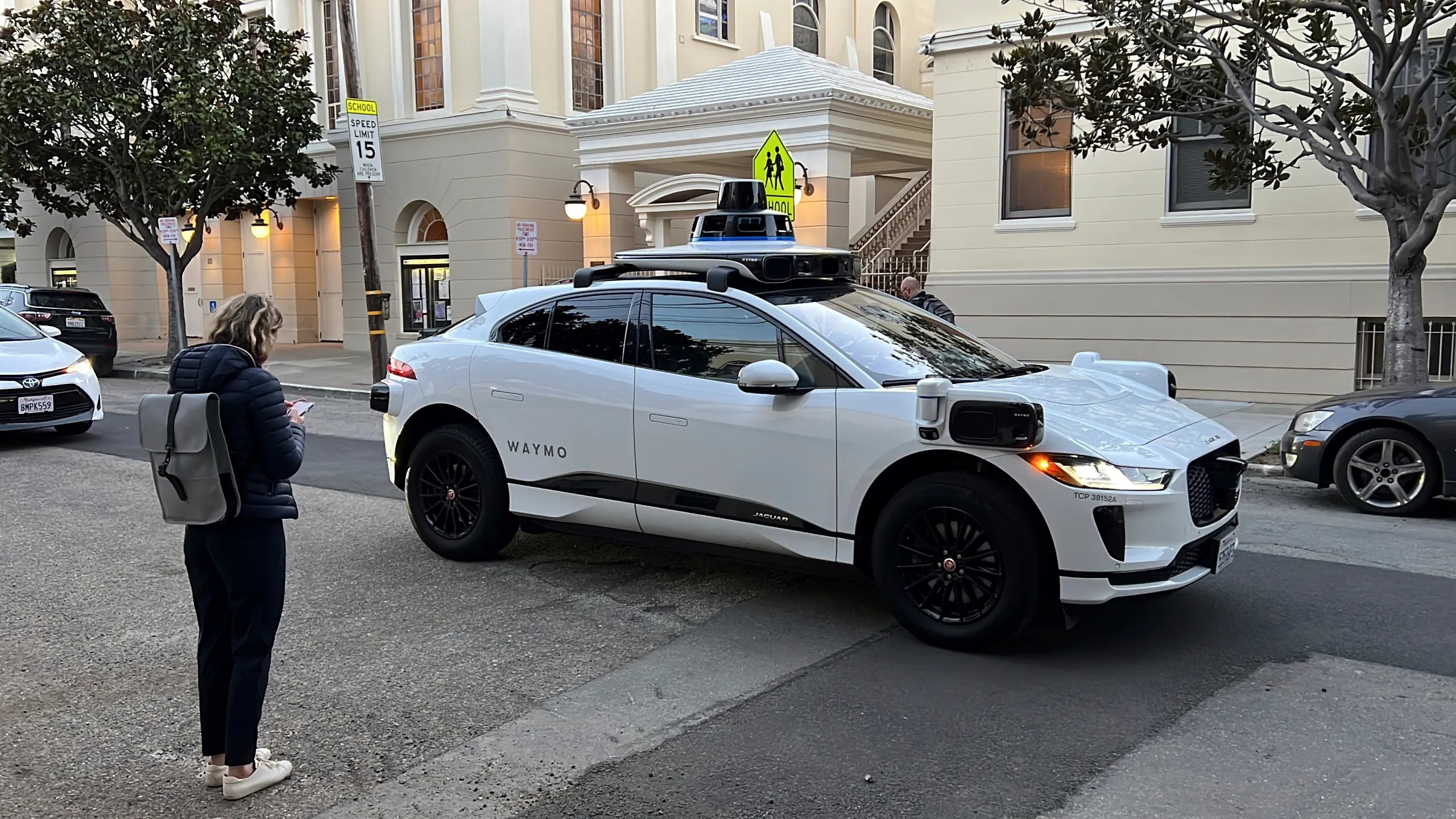
Alphabet’s Waymo has opened its robotaxi service to paying riders in Miami, marking another decisive step in what is shaping up to be a critical year for the company’s U.S. expansion and its bid to entrench itself as the dominant player in autonomous ride-hailing.
The launch makes Miami the sixth U.S. market where Waymo operates a fully driverless, revenue-generating service, extending a lead that rivals have so far struggled to close. While competitors such as Tesla and Amazon-owned Zoox continue to test, pilot, or promise future rollouts, Waymo is steadily converting years of experimentation into operational scale.
To start, the service will cover a roughly 60-square-mile zone spanning Miami’s Design District, Wynwood, Brickell, and Coral Gables, areas that combine dense urban traffic, nightlife, tourism, and affluent residential pockets. The geography matters because these neighborhoods offer high ride demand, complex driving environments, and a steady stream of visitors, allowing the company to showcase its technology under real-world conditions while tapping into a lucrative customer base.
Register for Tekedia Mini-MBA edition 20 (June 8 – Sept 5, 2026).
Register for Tekedia AI in Business Masterclass.
Join Tekedia Capital Syndicate and co-invest in great global startups.
Register for Tekedia AI Lab.
Waymo said it began testing its autonomous vehicles in Miami in early 2025, using the city’s mix of aggressive driving patterns, heavy rain, and unpredictable congestion as part of its training ground. The company plans to extend service to Miami International Airport, a move that could significantly boost ride volumes and visibility, though it has not provided a timeline.
According to Waymo, nearly 10,000 Miami residents have already signed up to try the service, with access being rolled out gradually. Riders can hail robotaxis using Waymo’s app, mirroring the experience the company has refined in other cities.
Behind the scenes, Waymo is relying on mobility firm Moove to handle fleet operations in Miami, including charging, cleaning, and vehicle maintenance. The partnership reflects Waymo’s push to separate the autonomous driving stack from the logistical grind of running a large vehicle fleet, a challenge that has weighed heavily on many mobility startups.

The Miami debut also comes at a delicate moment for the company. Waymo has faced public scrutiny over the behavior of its vehicles, particularly after a series of incidents in San Francisco last month, where robotaxis contributed to gridlock during severe storms and widespread power outages. Those episodes reignited concerns about how autonomous systems respond to edge cases such as extreme weather and infrastructure failures.
Waymo said it has since refined its systems to better handle such scenarios, and the Miami rollout will serve as another test of those improvements, especially given South Florida’s intense rainstorms and hurricane season.
By the end of 2025, Waymo had commercial robotaxi operations in Austin, Atlanta, Los Angeles, Phoenix, and the San Francisco Bay Area. Miami now anchors the company’s push into the Southeast and sets the stage for a much broader rollout planned for 2026.

The company has said it intends to expand to a long list of U.S. cities, including Dallas, Denver, Detroit, Houston, Las Vegas, Orlando, San Antonio, San Diego, Washington, and Nashville. It is also testing vehicles in New York, Tokyo, and London, and has indicated it will launch its first overseas commercial service this year, signaling growing confidence in its technology and regulatory playbook.
Waymo’s scale is no longer theoretical. In December, the company said it had crossed 450,000 paid rides per week and served a total of 14 million trips in 2025. Those figures, while still small compared to traditional ride-hailing giants, underscore how far Waymo has moved beyond pilot programs.
Investors are paying attention. Waymo is reportedly in talks to raise $15 billion in new funding, a round that would underscore both the capital intensity of autonomous driving and the belief that Waymo is best positioned to turn autonomy into a sustainable business.
Competition remains fierce, though unevenly distributed. In Asia, Waymo faces strong rivals such as Baidu-owned Apollo Go and WeRide, which have advanced rapidly with support from local governments and dense urban deployments. In North America, Tesla, Zoox, and startups like May Mobility and Nuro are still racing to match Waymo’s combination of technical maturity, regulatory approvals, and real-world usage.
The Miami launch highlights a broader strategic reality: as rivals lag or focus on future promises, Waymo is using 2026 to lock in riders, normalize driverless transport, and build brand familiarity city by city. That early foothold could prove difficult to dislodge, even as competition eventually heats up.
Miami is not just another dot on the map for Waymo. It is part of a calculated effort to turn years of costly development into durable market presence, before the rest of the autonomous driving field fully arrives.