

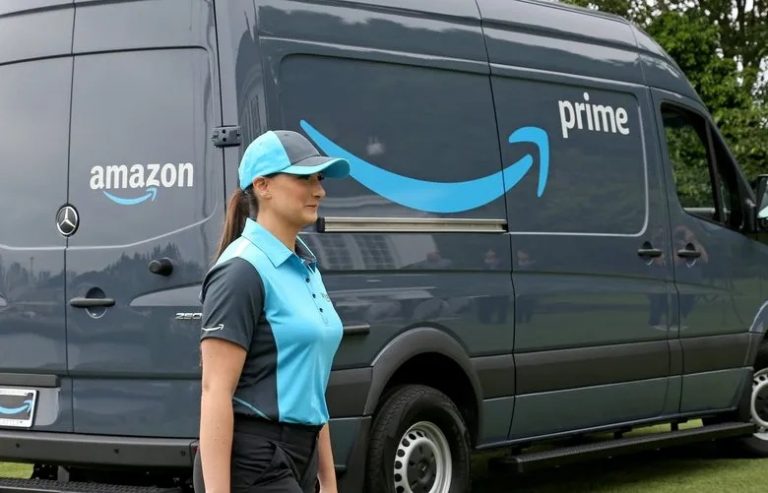
Amazon is redefining the speed of e-commerce once again. On Tuesday, the company announced a major expansion of its “Amazon Now” service, promising ultra-fast deliveries of 30 minutes or less in dozens of U.S. cities, marking its boldest bet yet on instant gratification as the future of online shopping.
The rollout builds on a December pilot and now includes new markets such as Austin, Denver, Minneapolis, and Phoenix, plus deeper coverage in Seattle, Philadelphia, Dallas, and Atlanta.
Amazon said it expects to reach tens of millions of customers across these and additional cities by the end of 2026, up from the millions currently served. Internationally, the company is already offering even quicker 15-minute deliveries in select areas of Brazil, Mexico, India, and the United Arab Emirates.
Register for the next Tekedia Mini-MBA.
Register for Tekedia AI in Business Masterclass.
Join Tekedia Capital Syndicate and co-invest in great global startups.
This push comes after Amazon trained generations of customers to expect two-day shipping through Prime, then next-day, and more recently, same-day options. Now, with Amazon Now, the company is setting a new standard where everyday items, groceries for dinner, forgotten household staples like laundry detergent or toothpaste, or last-minute needs like AirPods before a flight, can appear at the doorstep in half an hour or less.
Logistics at the Heart of Amazon’s Dominance
Speed has never been just a feature for Amazon — it has been the central pillar of its growth story. From its early days, obsessing over warehouse locations and inventory algorithms to building one of the world’s most sophisticated logistics networks, the company has consistently used delivery velocity as its primary moat against competitors. Prime membership itself was built on the promise of fast, reliable shipping, which in turn drove higher purchase frequency and customer lock-in.
CEO Andy Jassy reinforced this philosophy in his latest annual shareholder letter, noting that investments in rapid delivery generate strong returns through higher conversion rates and more frequent site visits. By shrinking delivery windows so dramatically, Amazon aims to capture more impulse buys that traditionally sent people to physical stores and to make its platform the default choice even for urgent needs.

“You can get everything from groceries for dinner, to AirPods before a flight, to household essentials like laundry detergent or toothpaste delivered right to your door,” Udit Madan, Amazon’s senior vice president of worldwide operations, said.
Amazon Now relies on a network of compact “dark stores” — specialized micro-fulfillment centers ranging from 5,000 to 10,000 square feet. These smaller sites, stocked with thousands of high-demand items, sit much closer to customers than traditional massive warehouses, enabling ultra-short delivery times.
Deliveries are powered largely by Amazon Flex drivers, independent contractors who use their own vehicles and choose flexible shifts. While cars are the primary mode today, Amazon remains open to other transportation options, including e-cargo bikes, which it has already integrated in certain cities. The service runs 24 hours a day in most participating areas.

Pricing reflects Amazon’s emphasis on rewarding loyalty. Prime members pay $3.99 per delivery plus $1.99 for orders under $15. Non-Prime customers face $13.99 plus an extra $3.99 on small orders. Eligible items are clearly labeled with an “Amazon Now” tag and lightning bolt icon on the site and app.
The expansion intensifies pressure on both traditional retailers and quick-commerce specialists. It challenges Walmart, which has highlighted its ability to reach 95% of U.S. households in under three hours, and puts fresh heat on gig-economy players like Instacart, DoorDash, and Uber Eats that have dominated the multi-hour delivery space.
Amazon has experimented with even faster concepts for over a decade, including drone deliveries that have faced regulatory, safety, and operational hurdles. The current focus on ground-based ultra-fast delivery through localized fulfillment shows a pragmatic evolution — leveraging proven infrastructure while pushing the limits of what’s possible at scale.
Why This Move Positions Amazon Ahead of the Curve
By mastering logistics at every level, Amazon has turned what was once a cost center into an insurmountable advantage. This latest breakthrough in quick commerce is expected to widen that gap further. Faster delivery not only boosts immediate sales but also deepens customer habit formation, making it harder for rivals to pull shoppers away.
In a market where convenience increasingly determines winners, Amazon’s ability to blend vast selection, sophisticated demand forecasting, and hyper-local execution gives it a structural lead.
Analysts and industry observers see this as part of a broader shift toward “instant retail,” where the line between online and offline blurs. Success here could accelerate Amazon’s market share gains in groceries and everyday essentials while raising the bar so high that many competitors will struggle to keep pace without massive infrastructure spending of their own.