

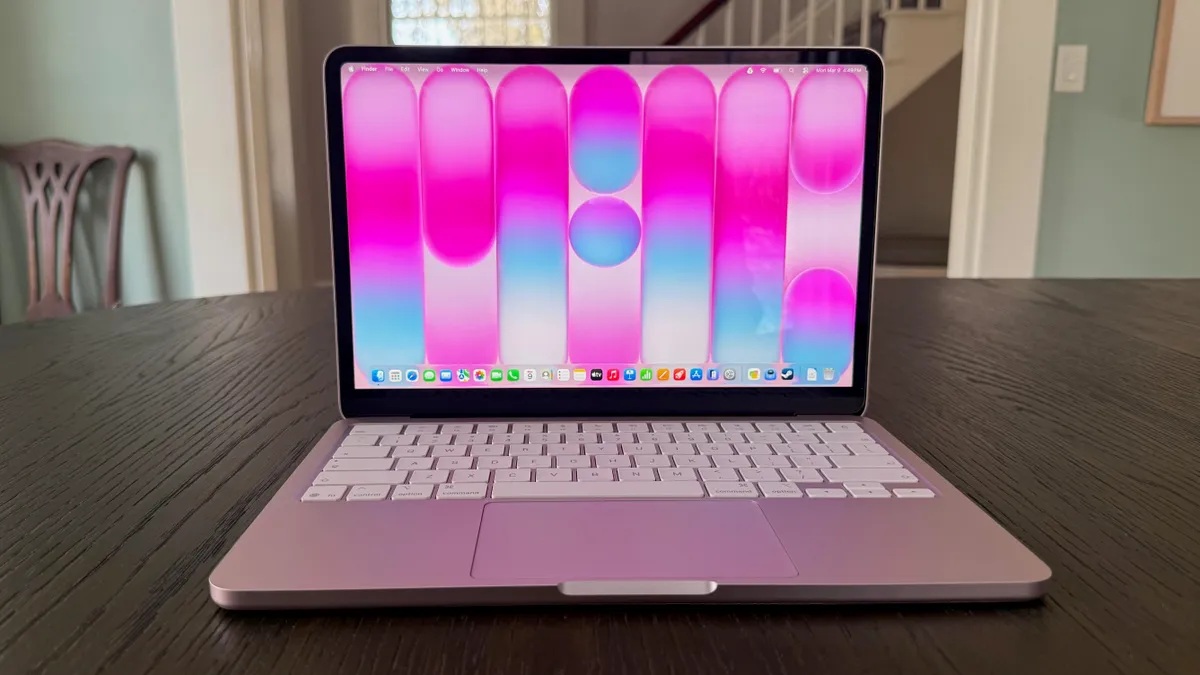
In a departure from its long-standing playbook of shielding customers from component cost pressures, Apple on Thursday implemented its first formal price hikes on MacBooks and iPads, acknowledging that the explosive demand for memory and storage fueled by the artificial intelligence boom has finally made increases unavoidable.
The adjustments, which took effect immediately and briefly caused Apple’s online store to go offline as systems updated, reflect the mounting strain on the entire consumer electronics supply chain. For a company that has historically absorbed or cleverly disguised rising costs through product mix shifts and efficiency gains, the move signals a new era where the economics of AI are reshaping even the most premium consumer brands.
Here are the key changes:
Register for the next Tekedia Mini-MBA.
Register for Tekedia AI in Business Masterclass.
Join Tekedia Capital Syndicate and co-invest in great global startups.
- MacBook Neo entry-level model: from $599 to $699
- MacBook Air 512GB: from $1,099 to $1,299
- MacBook Pro 1TB: from $1,699 to $1,999
- iPad Air 128GB: from $599 to $749
- iPad Pro Wi-Fi 256GB: from $999 to $1,199
Apple framed the decision as a reluctant necessity rather than a profit grab.
“The consumer electronics industry is facing an unprecedented challenge,” the company said in a statement. “The rapid expansion of AI data centers has created an extraordinary surge in demand for memory and storage. We have never seen a component price increase this much, this quickly.”
The company added that it had “reached a point where we need to begin raising prices on a number of products,” while leaving the door open to further adjustments.

“We know this is not welcome news, and we are working tirelessly to find solutions,” it said.
CEO Tim Cook had telegraphed the shift just last week in an interview with The Wall Street Journal, describing the current memory and storage crisis as “a hundred-year flood.”
“I’ve never seen anything like it in any area in over 40 years,” Cook said.

The AI Boom’s Ripple Effect on Consumer Tech
Memory and storage prices have quadrupled over the past three quarters, according to Counterpoint Research, as suppliers redirect capacity toward high-bandwidth memory (HBM) chips essential for AI servers. This diversion has created bottlenecks for consumer devices, squeezing margins across the industry and forcing even well-resourced giants like Apple to pass on costs.
The impact is already visible among suppliers. Micron Technology reported a quadrupling in revenue for its latest quarter, with gross margins soaring from 39% a year ago to 84.9% — surpassing even Nvidia and Meta. Such windfalls for component makers are coming directly at the expense of device manufacturers and, ultimately, consumers.
Tarun Pathak, research director at Counterpoint Research, estimates the higher component costs could add roughly $200 per iPhone for Apple. He anticipates overall price increases of $150 to $200 across the lineup, skewed toward higher-memory configurations.
This dynamic is accelerating Apple’s long-term strategy of steering customers toward premium models. The company has historically used subtle tactics, discontinuing base configurations or making higher storage the new entry point, to lift average selling prices. The Mac mini offered an early preview in May when Apple removed the $599 256GB option, pushing the starting price to $799.Looking ahead, IDC expects all new iPhone models to ship with 12GB of RAM as Apple works to ensure broader compatibility with Apple Intelligence features.
More advanced on-device AI capabilities, including the overhauled Siri experience, will require newer hardware. IDC estimates that roughly 54% of iPhones shipped since 2022 will not support the full new Siri functionality, creating a natural segmentation that Apple can leverage to justify premium pricing.
Investors appeared unimpressed by the move. Apple shares fell more than 6% on Thursday, the worst single-day drop since April 2025, as concerns mounted that sustained price increases could weigh on demand in an already cautious consumer environment.
The AI boom has been fingered for the price hikes. While it is driving enormous demand for data center infrastructure, it is simultaneously inflating the cost of building the very consumer devices that generate Apple’s core profits. This tension between AI tailwinds and component headwinds is forcing a strategic recalibration at a company long admired for its pricing power and ecosystem lock-in.
Apple’s approach appears twofold: absorb what it can through efficiency and scale, then selectively pass on costs while emphasizing the enhanced capabilities of higher-end models. The expected launch of a foldable iPhone could further support higher average selling prices, helping offset margin compression.
However, analysts warn that prolonged price hikes could alienate price-sensitive customers and invite greater competition from Android makers offering strong specifications at lower price points. But Apple’s vast cash reserves and services business provide a buffer that many rivals lack, allowing it to weather the current storm better than most.
The memory crisis is unlikely to ease quickly. With AI investment continuing at breakneck speed, suppliers are expected to prioritize high-margin HBM production, keeping consumer-grade components under pressure. For Apple, this means the days of shielding customers from every cost increase may be over — a structural shift that could redefine its pricing strategy for years to come.