

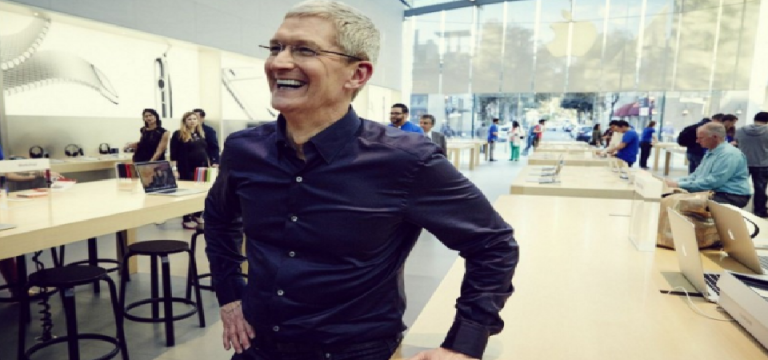
Apple Inc. is stepping up preparations for a major leadership transition as Chief Executive Tim Cook signals his potential departure as soon as next year, a move that points to the tech giant’s efforts to secure continuity at the top as the tech industry evolves.
John Ternus, Apple’s senior vice president of hardware engineering, is widely considered the leading internal candidate to succeed Cook, according to sources familiar with internal discussions reported by the Financial Times.
Cook, who has led Apple for more than 14 years following Steve Jobs’ resignation in 2011, has overseen transformative developments in the company’s product lines and services business. His tenure has included the expansion of Apple’s global footprint, record-setting revenues, and initiatives in new sectors such as healthcare, augmented reality, and financial services. His potential exit is seen as a pivotal moment for Apple, raising questions about how the company will maintain its culture of innovation while navigating global market challenges.
Register for Tekedia Mini-MBA edition 20 (June 8 – Sept 5, 2026).
Register for Tekedia AI in Business Masterclass.
Join Tekedia Capital Syndicate and co-invest in great global startups.
Register for Tekedia AI Lab.
The company’s board and senior executives are reportedly weighing the timing and approach to the succession carefully, with a formal announcement unlikely before Apple’s next earnings report in late January, which will cover the critical holiday sales period. Analysts note that an orderly transition is essential to maintain investor confidence, particularly given the high expectations surrounding Apple’s continued growth in hardware, services, and emerging technologies like artificial intelligence.
Promoting Ternus, a long-serving Apple engineer who has overseen the development of the iPhone, iPad, and Mac product lines, would reflect the company’s broader strategy of internal succession planning. His deep knowledge of Apple’s engineering processes, product strategy, and market positioning positions him to manage both operational continuity and strategic innovation.
Apple’s succession planning also reflects a wider trend across Silicon Valley, where long-tenured leaders are preparing to step down as companies face intensifying competition, regulatory scrutiny, and pressure to sustain growth in emerging sectors. Analysts point to examples such as Microsoft, which has gradually shifted leadership roles in anticipation of Satya Nadella’s eventual succession planning, and Google, where Sundar Pichai oversees a sprawling empire of cloud, AI, and consumer products while being groomed for continuity within Alphabet’s structure.

Investor response to CEO transitions at major tech firms has historically been mixed. While succession can signal stability and foresight, markets may react cautiously if there is uncertainty about the company’s strategic direction or the successor’s capacity to maintain momentum. In Apple’s case, Ternus’ potential appointment is likely to be interpreted as a vote of confidence in internal talent, signaling continuity in product vision and execution.
Cook’s eventual departure comes as Apple faces broader industry pressures, including intensifying pressure to get directly involved in the AI evolution – starting its own model – especially as competition from Microsoft, Google, Amazon, and Chinese tech companies in hardware and cloud heightens. The board’s proactive planning suggests a recognition that maintaining Apple’s market leadership will require a balance of operational stability and innovative edge during and after the leadership transition.
While Apple has not commented on succession plans, the accelerated internal discussions underscore its push to maintain seamless leadership amid growing competition from Chinese phone makers.
