

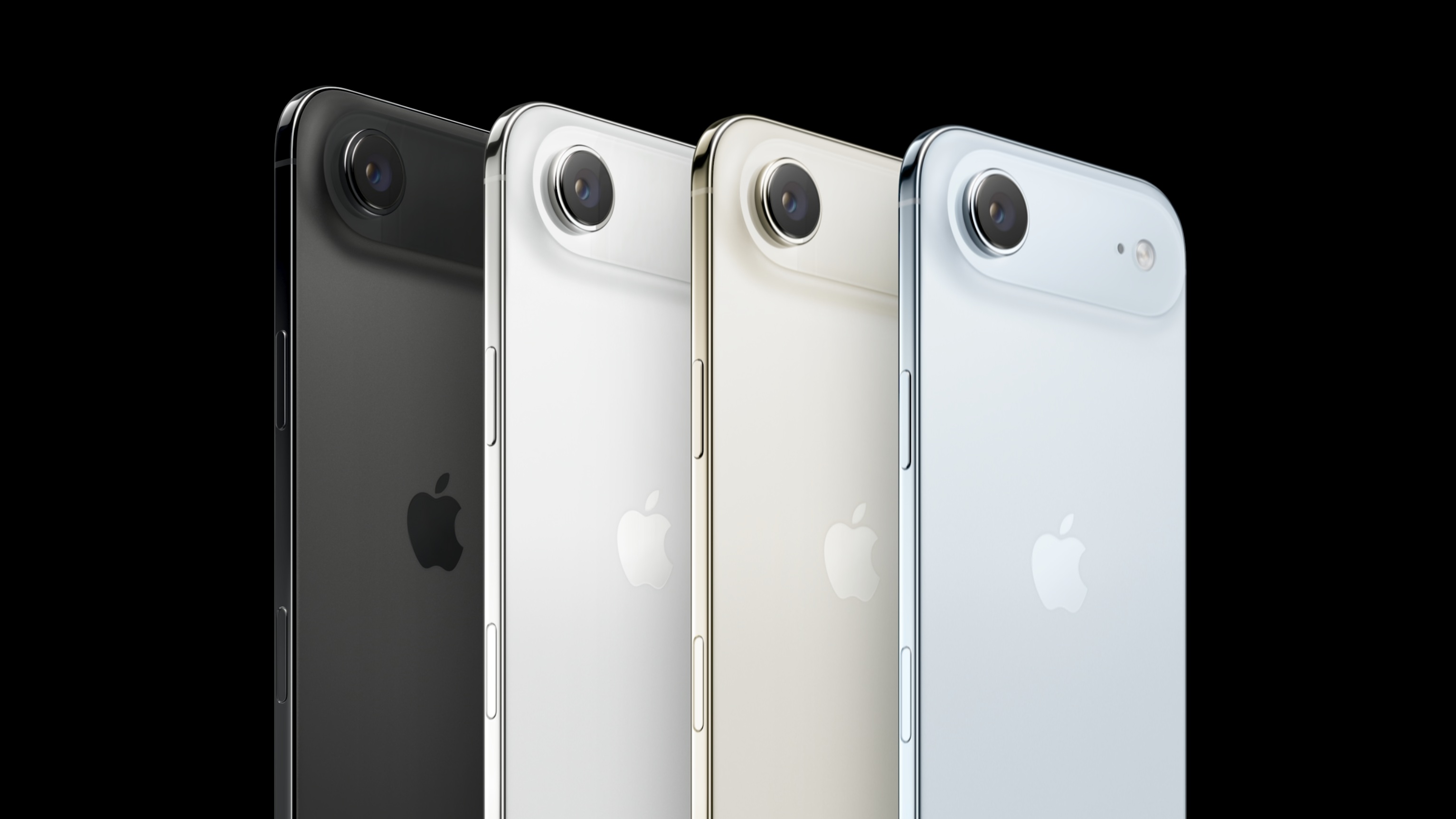
Apple customers in the United States will soon be able to lease an iPhone for as little as $17.99 per month, as the technology giant rolls out a new financing program aimed at making its devices more affordable while encouraging users to upgrade more frequently.
The new offering, called Apple Upgrade, is being launched in partnership with Klarna, one of the world’s largest buy now, pay later (BNPL) providers. The program will be available through Apple’s retail stores and online platform, giving customers an alternative to paying the full upfront cost of increasingly expensive devices.
The initiative comes as Apple prepares for another product launch cycle amid expectations that iPhone prices will rise this year because of higher component costs, particularly memory chips, and broader inflationary pressures across the consumer electronics supply chain.
Register for the next Tekedia Mini-MBA.
Register for Tekedia AI in Business Masterclass.
Join Tekedia Capital Syndicate and co-invest in great global startups.
Customers who pass a soft credit check can lease an iPhone for one or two years, while Apple Watches will also be available under similar terms. Macs and iPads can be leased for two or three years, broadening the company’s subscription-like approach beyond its flagship smartphone.
Unlike traditional financing, the program is structured as a lease, meaning customers must return the device after the lease expires unless they choose to purchase it through an additional payment or upgrade to a newer model. Apple said no security deposit will be required. Klarna will not charge late fees, although leases will be terminated after three consecutive months of missed payments.
The launch follows Apple’s decision last month to raise starting prices for Macs and iPads by at least $100, with some premium configurations increasing by more than $1,000, citing a global memory shortage. Industry analysts expect similar pricing pressure to extend to this year’s iPhone lineup, making monthly payment options increasingly attractive for consumers.

Rather than focusing on a higher sticker price, leasing allows Apple to market its devices through lower monthly payments, potentially reducing consumer resistance to premium-priced products.
“Most of Apple’s consumers, especially in the U.S. and other developed markets, are buying devices on installment plans or trade-ins, so we can expect to see much more aggressive offers,” Nabila Popal, senior research director at IDC, told CNBC after Apple signaled price increases in June.
The move is seen as part of Apple’s broader effort to generate more predictable revenue from its hardware business. Investors have long argued that expanding installment and leasing options could smooth Apple’s earnings by reducing the seasonality associated with annual iPhone launches and encouraging customers to upgrade on a more regular schedule.

That has become increasingly important as consumers hold onto their smartphones longer. According to Bernstein estimates, the average iPhone replacement cycle has stretched to nearly four years, reflecting both the durability of recent devices and higher upgrade costs.
Analysts say the new leasing program could shorten that replacement cycle by lowering the financial barrier to owning Apple’s latest hardware, while also creating a recurring stream of returning customers.
Monthly payments will vary depending on the model and lease duration. An unlocked iPhone 17 Pro will cost $31.99 per month on a two-year lease or $45.99 per month on a one-year agreement. Some lower-priced devices, including the iPhone 16 and MacBook Neo, are not included in the initial rollout.
The program also comes as Wall Street increasingly focuses on Apple’s ability to preserve profit margins in the face of rising manufacturing costs. Analysts at Morgan Stanley estimate Apple may need to increase the starting price of the iPhone 18 Pro by roughly $200 to maintain gross margins. Research firm TechInsights estimates that rising memory prices and other component costs could add as much as $300 to the bill of materials for a single iPhone, based on component-level teardown analysis.
At the same time, Apple continues to push its product lineup further into the premium segment. Analysts expect the company to introduce its first foldable iPhone alongside the iPhone 18 Pro lineup later this year, with some estimates placing its retail price at around $2,500, making flexible financing options increasingly important for consumers.
The new initiative also reshapes Apple’s consumer financing strategy. The company said it is discontinuing its long-running iPhone Upgrade Program in the U.S., which was financed through Citizens Bank and bundled with AppleCare coverage. Under that program, customers typically paid more than $42 per month over 24 installments.
Apple Upgrade replaces that model with lower monthly lease payments, though customers will not automatically own the device at the end of the agreement unless they make an additional purchase payment.
The move also intensifies competition with U.S. wireless carriers, which have traditionally relied on device financing, trade-in incentives and multiyear contracts to retain subscribers. Major carriers including AT&T, Verizon and T-Mobile US already offer installment plans that spread smartphone costs over several years.
Apple also continues to offer zero-interest financing through its Apple Card Monthly Installments program, while users checking out with Apple Pay can access short-term financing from Klarna or rival Affirm.
The leasing program arrives just days before Apple reports its fiscal third-quarter earnings on Thursday. Investors are expected to focus on the company’s pricing strategy, demand outlook for the upcoming iPhone lineup, the impact of rising component costs on margins, and whether expanded financing options can support hardware sales.