

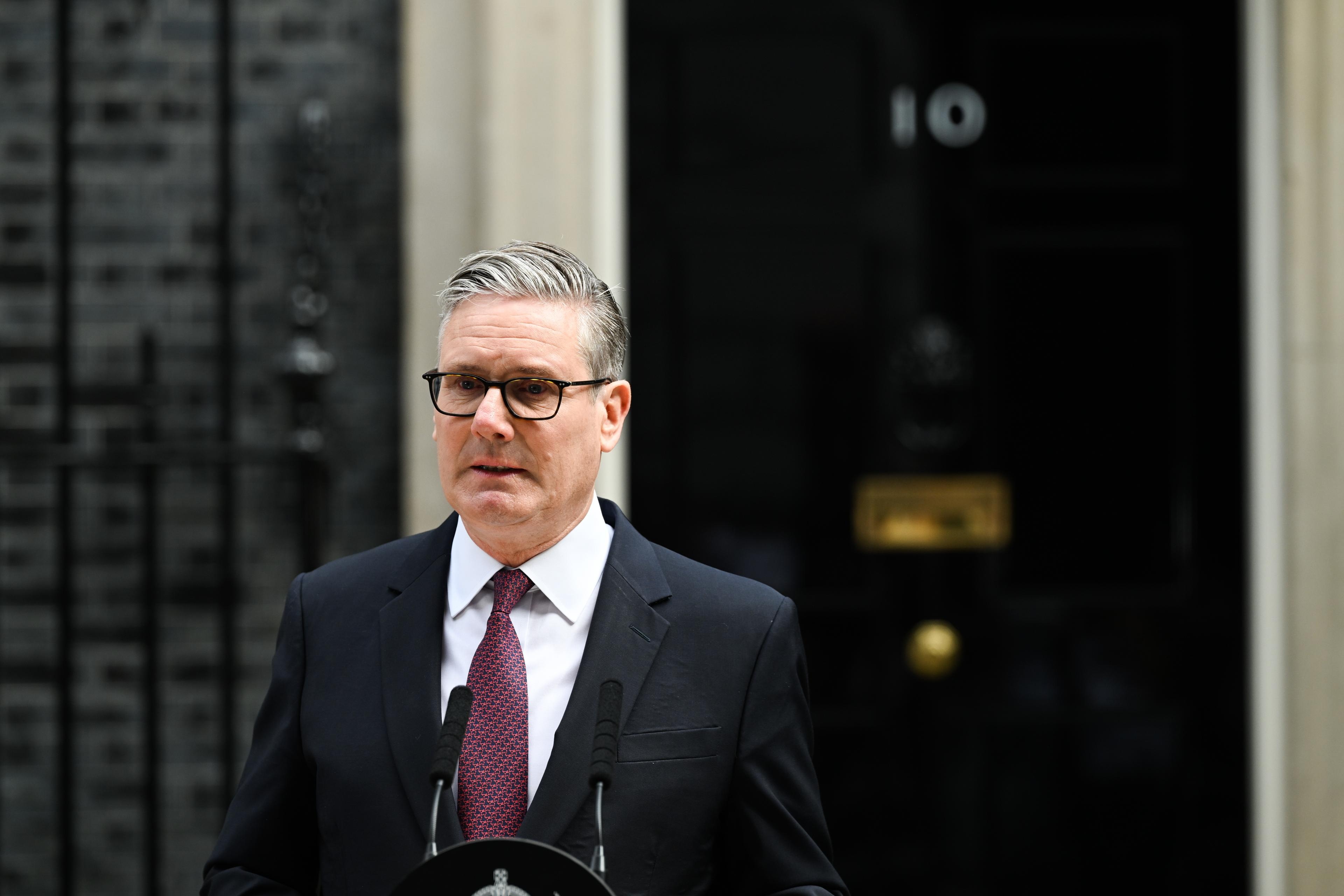
Keir Starmer is resigning as the prime minister of the UK. Some may wonder why a village boy from Nigeria spends time thinking about British politics. My response is simple: it is a free world, and decisions made in major economies often carry implications far beyond their borders. In May 2019, following the resignation of Theresa May, I wrote that the challenge facing the United Kingdom was not merely about leadership. Rather, it was about the reality that the world Britain hoped to recreate was no longer available.
At the time, I noted that changing leaders would not necessarily change outcomes because no individual could easily take the country to the equilibrium point many Brexit supporters envisioned. The world had moved from what I described as “The Rise of Me Only” to “The Rise of All.” In other words, economic opportunity, capital, talent, and innovation were becoming more distributed across nations and regions. The era when a few countries dominated the global system without meaningful competition was fading.
I wrote: “UK Prime Minister Theresa May resigns. I do not know why it took so long. The fact is this: the world that United Kingdom wants will not happen in the very near future. So, they better be changing leaders because no one can take them to their designed equilibrium point. ”
Register for the next Tekedia Mini-MBA.
Register for Tekedia AI in Business Masterclass.
Join Tekedia Capital Syndicate and co-invest in great global startups.
The United Kingdom benefited immensely from centuries of global influence and empire. But Brexit represented, in part, an attempt to redefine Britain’s relationship with a rapidly changing world. My argument then was that the challenge was not Theresa May, nor would it be Boris Johnson, nor any leader who followed. The deeper issue was adapting to a new global reality where prosperity increasingly depends on collaboration, openness, and participation in interconnected markets.
Today, the lesson remains largely the same. Brexit created structural complexities that make governing the UK more difficult regardless of who occupies 10 Downing Street. Leaders may change, but the economic and geopolitical consequences of major national decisions tend to endure far longer than any political administration.
In summary, Brexit has made the governance of the United Kingdom significantly more challenging, and any Prime Minister, present or future, must operate within that reality. That is why we will have 6 prime ministers in 10 years.

---
Connect via my
LinkedIn |
Facebook |
X |
YouTube