

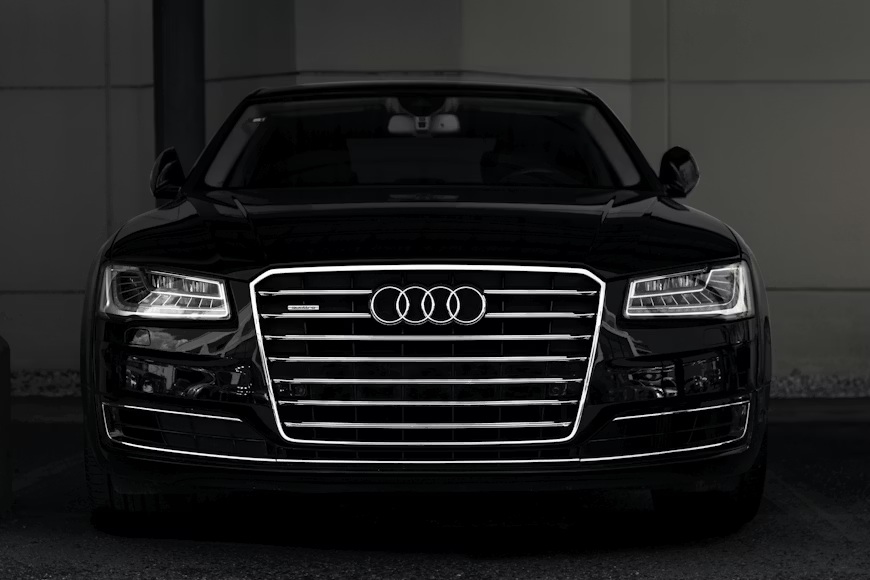
Audi has confirmed that it will not introduce any further upgrades to its Formula One power unit for the remainder of the current season, choosing instead to redirect its engineering resources toward the all-new package planned for the 2027 campaign.
The decision reflects a calculated balance between financial discipline and long-term competitiveness, highlighting the growing influence of Formula One’s cost-control era. Formula One has entered a period where every investment must be justified.
While technological innovation remains at the heart of the sport, teams are now operating under strict financial regulations that limit annual spending. As a result, manufacturers can no longer pursue endless development programs without considering their broader strategic impact.
Register for the next Tekedia Mini-MBA.
Register for Tekedia AI in Business Masterclass.
Join Tekedia Capital Syndicate and co-invest in great global startups.
Audi’s decision demonstrates that the company believes preserving resources for future gains offers greater value than chasing incremental improvements this season.
Power unit development is among the most expensive aspects of Formula One. Engineers work continuously to extract more horsepower, improve energy recovery systems, increase thermal efficiency, and enhance reliability.
Even relatively small performance gains can require months of research, extensive simulation, and countless hours on specialized test benches. These efforts consume significant financial and technical resources, making every upgrade a substantial investment.
By halting development for the remainder of the year, Audi is effectively accepting that its current power unit has reached a performance level that justifies maintaining stability rather than pursuing costly refinements. Instead of allocating additional funding to short-term upgrades.

The company intends to channel its engineering expertise into designing a more competitive package for 2027, when another evolution of Formula One technology is expected to reshape the competitive landscape. This approach is not without precedent.
Several manufacturers have previously sacrificed immediate competitiveness to prepare for major regulatory changes or future seasons. When rule changes approach, teams often find greater returns by focusing on next-generation designs instead of maximizing the outgoing platform.
Audi appears to be following a similar philosophy, recognizing that a breakthrough in 2027 could provide far greater rewards than marginal improvements during the current championship. The decision also highlights the changing economics of Formula One.

Historically, major manufacturers could outspend rivals in pursuit of every available advantage. However, the sport’s financial regulations have significantly altered competitive dynamics. Success now depends not only on engineering excellence but also on effective resource allocation.
Choosing when not to develop has become nearly as important as deciding where to innovate. This strategy aligns with its broader corporate objectives.
As one of the world’s leading automotive manufacturers, the company must balance its Formula One ambitions with shareholder expectations and wider investments in electrification, digital technologies, and future mobility.
Concentrating development on a longer-term project enables the company to maximize the return on every engineering dollar while maintaining a sustainable motorsport program. There are, however, potential risks.
Rival manufacturers that continue introducing upgrades throughout the season could widen the performance gap, potentially affecting race results and valuable technical data gathered under competitive conditions.
Fans and stakeholders may also question whether sacrificing short-term performance could impact team morale or brand perception. Nevertheless, Audi appears confident that the benefits of focusing on 2027 outweigh these temporary disadvantages.
Audi’s decision illustrates the strategic evolution of modern Formula One. Victory is no longer determined solely by who spends the most or develops the fastest. Instead, success increasingly depends on disciplined planning, efficient budgeting, and long-term technological vision.
By freezing power unit upgrades this season, Audi is signaling that its ultimate objective is not merely to compete today but to build a stronger foundation for sustained success when the next chapter of Formula One begins in 2027.