

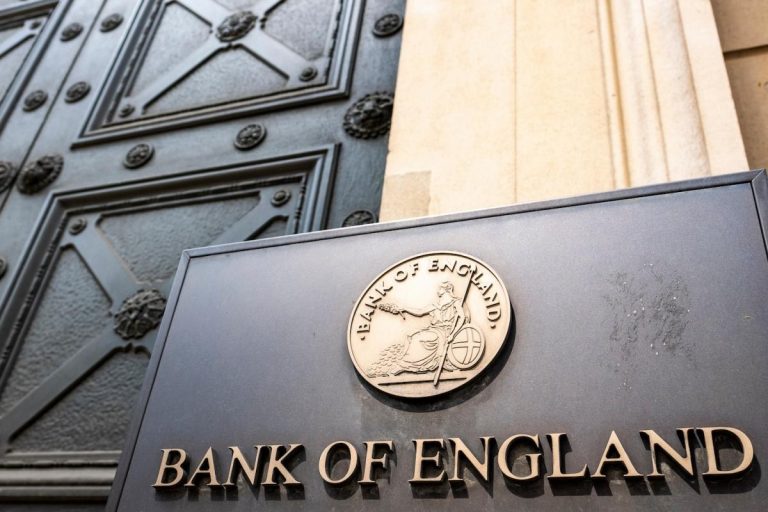
The United Kingdom is entering a pivotal period marked by significant developments in both financial regulation and national politics. On one hand, the Bank of England has published its final policy framework for stablecoins, providing long-awaited clarity for the digital asset sector.
On the other, British Prime Minister Keir Starmer has officially stepped down, creating uncertainty about the future direction of the country’s economic and regulatory agenda. These events highlight a transformative moment for the UK as it seeks to balance innovation, financial stability, and political continuity.
The Bank of England’s final stablecoin policy framework represents one of the most comprehensive regulatory approaches to digital currencies introduced by a major global financial institution.
Stablecoins, which are digital assets designed to maintain a fixed value by being pegged to traditional currencies or other reserves, have become increasingly important in the global financial ecosystem.
Register for the next Tekedia Mini-MBA.
Register for Tekedia AI in Business Masterclass.
Join Tekedia Capital Syndicate and co-invest in great global startups.
Regulators worldwide have been working to establish rules that allow innovation while protecting consumers and maintaining financial stability. Under the new framework, stablecoin issuers operating in the UK will be required to meet stringent standards regarding reserve management, transparency, governance, and operational resilience.
The Bank of England has emphasized that stablecoins capable of reaching systemic scale must be held to standards comparable to those applied to traditional payment systems. This approach aims to ensure that digital payment instruments can function safely even during periods of financial stress.
The policy framework also reflects the UK government’s broader ambition to position the country as a leading hub for financial technology and digital asset innovation. By providing regulatory certainty, authorities hope to encourage investment, foster innovation, and attract blockchain-related businesses to the UK market.

Industry participants have largely welcomed the framework, viewing it as a crucial step toward integrating digital assets into mainstream financial services. The timing of the announcement coincides with a major political transition. Prime Minister Keir Starmer’s official resignation marks the end of a significant chapter in British politics.
During his tenure, Starmer oversaw efforts to stabilize the economy, strengthen public institutions, and promote technological innovation as a driver of long-term growth.
His administration supported initiatives aimed at modernizing financial regulation and exploring the opportunities presented by emerging technologies, including artificial intelligence and digital finance. Starmer’s departure introduces uncertainty regarding the implementation and future evolution of several policy initiatives.
The Bank of England operates independently from the government, political leadership often influences the broader regulatory environment and economic priorities. Investors, financial institutions, and technology companies will closely watch the transition process to assess whether the incoming leadership maintains the same commitment to digital asset innovation and fintech development.

The simultaneous occurrence of regulatory progress and political change underscores the interconnected nature of governance and economic modernization. Stablecoin regulation is not merely a technical issue; it forms part of a broader debate about the future of money, payments, and financial sovereignty.
As central banks, governments, and private-sector innovators compete to shape the next generation of financial infrastructure, clear and consistent policymaking becomes increasingly important. The UK’s ability to maintain investor confidence and technological leadership will depend on both the successful implementation of the stablecoin framework and the smooth management of political transition.
If executed effectively, the country could strengthen its position as a global center for digital finance. Yet achieving this outcome will require sustained regulatory clarity, institutional stability, and continued support for innovation regardless of changes in political leadership.
The publication of the Bank of England’s stablecoin framework and the resignation of Prime Minister Keir Starmer together signal a defining moment for Britain. As the nation navigates economic transformation and political change, decisions made in the coming months will shape its role in the future global financial landscape.