

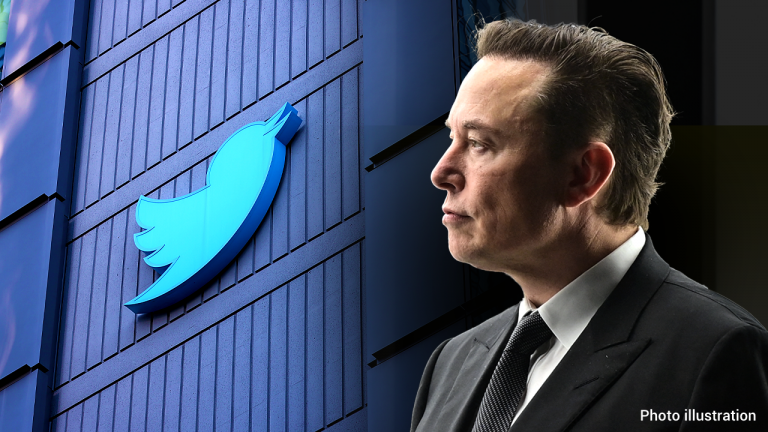
In a long-awaited move, a consortium of banks led by Morgan Stanley has successfully offloaded $5.5 billion of the $13 billion debt package used to finance Elon Musk’s $44 billion acquisition of Twitter, now rebranded as X.
The sale marks the second attempt by the banks—which include Bank of America, Barclays, Mitsubishi UFJ, BNP Paribas, Mizuho, and Société Générale—to find buyers for the risky loans, following an earlier failed attempt in 2022.
The original financing structure of the deal included a $6.5 billion secured term loan, a $3 billion unsecured loan, another $3 billion in secured loans, and a $500 million revolving credit facility. Typically, banks offload such loans quickly to minimize exposure. However, Musk’s sweeping changes to the platform—including mass layoffs, major shifts in content moderation policies, and the loss of key advertisers—spooked potential buyers, leaving the banks stuck holding the debt for nearly two years.
Register for Tekedia Mini-MBA edition 20 (June 8 – Sept 5, 2026).
Register for Tekedia AI in Business Masterclass.
Join Tekedia Capital Syndicate and co-invest in great global startups.
Register for Tekedia AI Lab.
The first attempt to sell the unsecured portion of the loan in late 2022 ended disastrously. Investors offered to buy in at just 60 cents on the dollar, a steep discount that would have forced the banks to take billions in losses. Rather than accept such a poor valuation, the banks chose to hold onto the debt, betting that market conditions might improve.
A Stronger Deal, But Still a High-Risk Investment
Unlike the previous attempt, this time the banks successfully sold down part of the debt at 97 cents on the dollar, higher than the initial marketing range of 90-95 cents. Investors who purchased the debt will earn a yield of 11%, significantly above traditional corporate bond rates, underlining the high-risk nature of the deal.
Sources cited by Reuters say the renewed interest in the X debt sale is partially driven by expectations that Donald Trump’s potential victory in the November U.S. presidential election could increase engagement on the platform. Musk has aligned himself with Trump and positioned X as a more “free speech-oriented” alternative to mainstream social media, a stance that could attract conservative audiences back to the platform. Some investors see this as a sign that advertising and subscription revenues may eventually recover.

Musk’s AI Bet
Another key selling point was that investors in the loan would gain exposure to X’s stake in xAI, Musk’s artificial intelligence startup. xAI is developing Grok, an AI chatbot integrated into X, which Musk has described as a competitor to OpenAI’s ChatGPT. Some investors saw this as an opportunity to benefit from the rapid growth of artificial intelligence, an industry that has attracted billions in venture capital investment.
However, not all investors were convinced. A fund manager at a large high-yield investment firm who was offered the loan declined to participate, citing concerns that X’s financial struggles remain unresolved. The fund manager noted that X’s debt carries no official credit rating, meaning there is no independent assessment of the platform’s ability to service its debt. This made the investment too risky, even at a discounted price.
Can the Banks Offload the Remaining Debt?
Despite successfully selling a portion of the loan, the banks still hold $7.5 billion in X-related debt. Whether they can unload the remaining amount at favorable terms will depend largely on whether Musk can reverse X’s financial decline. Since acquiring Twitter in 2022, he has aggressively cut costs, but his drastic changes have also scared away advertisers, leading to a significant drop in revenue.

Musk has attempted to pivot X towards a subscription-based model, but adoption has been slow, and recent reports suggest that the company’s financial outlook remains uncertain. If X’s revenues fail to rebound, the remaining debt may still be difficult to sell, leaving banks on the hook for billions in potential losses.
For now, the sale of $5.5 billion in debt is a sign that investor confidence in X is somewhat improving, but the long-term financial health of the platform remains an open question.