

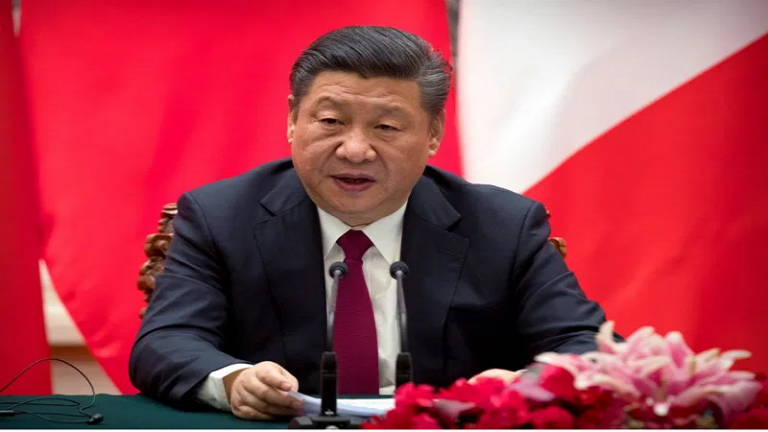
China has injected approximately $19 billion into its stock market in an effort to stop its longest losing streak on record, highlighting growing concerns about investor confidence and financial market stability.
Meanwhile, South Korea has postponed the implementation of its proposed 22% cryptocurrency gains tax until 2029, providing digital asset investors with additional time before facing the planned taxation framework.
These developments underscore the contrasting challenges facing traditional financial markets and the rapidly evolving cryptocurrency industry across Asia. China’s intervention comes as persistent selling pressure threatens to undermine confidence in the country’s equity markets.
Register for the next Tekedia Mini-MBA.
Register for Tekedia AI in Business Masterclass.
Join Tekedia Capital Syndicate and co-invest in great global startups.
The authorities are seeking to stabilize prices, encourage investment and prevent an extended downturn from spreading into the broader economy. By directing substantial financial resources toward the stock market, policymakers are signaling their willingness to intervene when market conditions deteriorate significantly.
The $19 billion injection represents an important effort to counter bearish sentiment and restore confidence among domestic and international investors. The effectiveness of such measures depends on whether the intervention can encourage sustained buying rather than provide temporary relief.
While additional liquidity can help support share prices, it does not automatically resolve deeper concerns about corporate profitability, economic growth, consumer spending and the outlook for Chinese businesses.

Investor confidence remains important for China as policymakers attempt to balance financial stability with economic expansion. A prolonged stock market decline can weaken household wealth, discourage investment and increase uncertainty among businesses.
These pressures may complicate efforts to stimulate domestic demand and strengthen the country’s economic recovery. Investors will be watching closely to determine whether the latest intervention marks a turning point or simply delays further losses.
A durable recovery would likely require improving economic fundamentals alongside government support. In South Korea, meanwhile, authorities have once again delayed the introduction of a 22% tax on cryptocurrency investment gains, pushing the proposed implementation date to 2029.

The decision provides temporary relief for digital asset investors and reflects continuing challenges surrounding the taxation of cryptocurrency transactions. The proposed tax has generated debate among investors and market participants concerned about its potential impact on trading activity.
Critics have argued that additional taxation could discourage participation in South Korea’s active cryptocurrency market, potentially encouraging some traders to move their activities to overseas platforms.
Delaying implementation gives regulators more time to address practical questions surrounding tax calculations, reporting requirements and the treatment of digital asset transactions. It allows the government to reconsider how cryptocurrency taxation should fit within its broader financial regulatory framework.
However, postponement does not necessarily mean the proposed tax has been abandoned. Investors must remain aware that the policy could still be introduced in 2029, depending on future legislative decisions and regulatory developments.
The decision highlights the difficulties governments face when regulating digital assets without undermining innovation or driving trading activity elsewhere. South Korea has a significant cryptocurrency investor base, making taxation policy an important consideration for both market participants and policymakers.
China’s stock market intervention and South Korea’s cryptocurrency tax delay illustrate the different approaches Asian governments are taking toward financial stability and investment activity. Beijing is deploying capital to counter a historic equity market decline, while Seoul is postponing a consequential tax measure affecting digital assets.
The success of these policies will depend on investor confidence, economic conditions and regulatory clarity. Both developments demonstrate that government decisions can influence market sentiment, but lasting stability requires policies that address the underlying concerns of investors.