

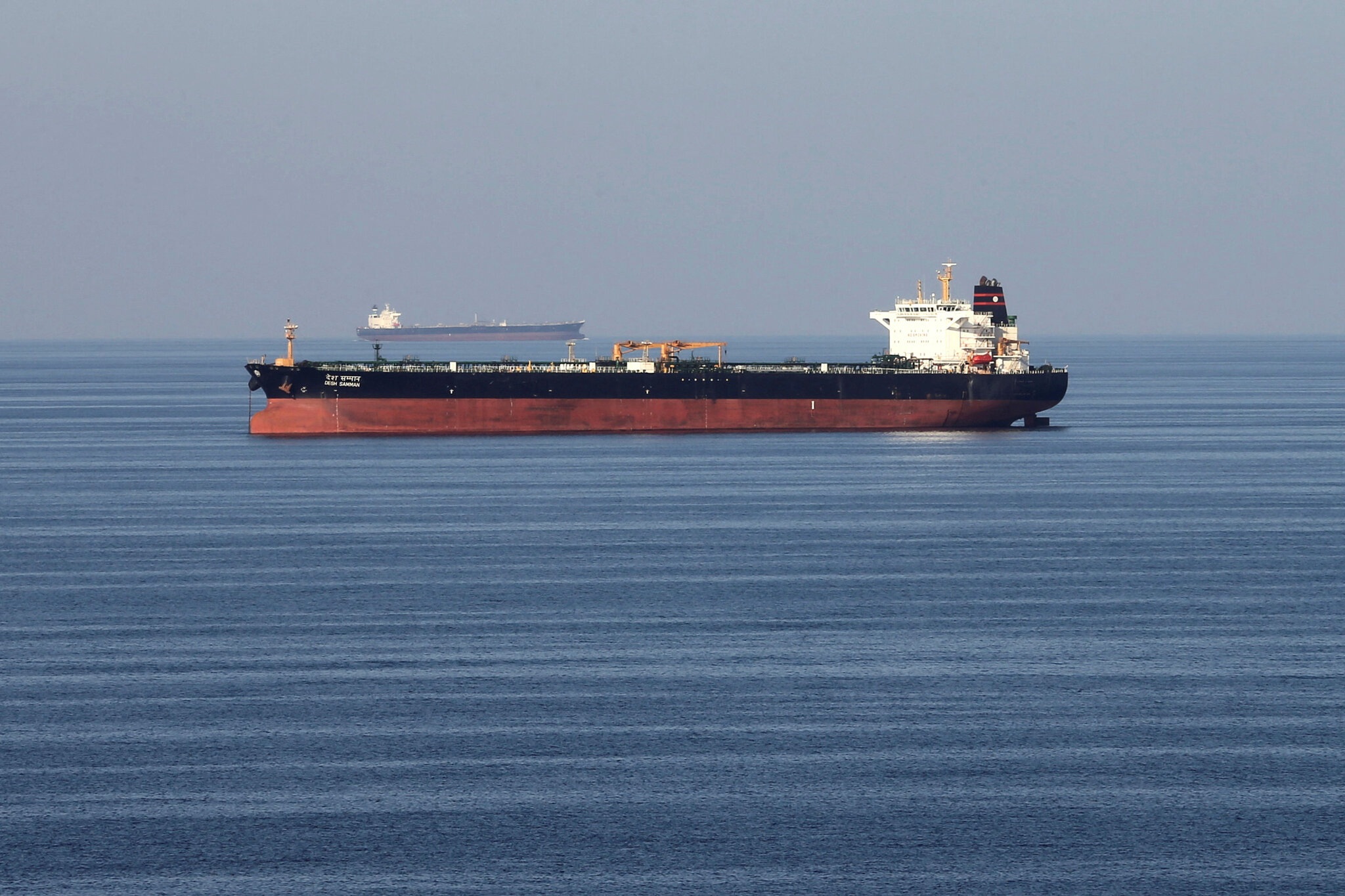
Oil prices fell on Monday after a strong rally last week, as diplomatic efforts to ease the conflict involving the United States and Iran raised hopes of reduced supply disruptions. Continued Houthi attacks on Saudi Arabia, however, kept traders wary of further escalation and limited expectations of a sustained price decline.
Brent crude futures fell $1.90, or 1.63%, to $114.82 a barrel by 0959 GMT, while US West Texas Intermediate crude futures declined $2.08, or 2%, to $101.19.
The pullback followed gains on Friday, when both benchmarks settled nearly $3 higher. Brent ended the week up 6%, while WTI gained 2.3%, leaving prices near six-month highs despite Monday’s retreat.
Register for the next Tekedia Mini-MBA.
Register for Tekedia AI in Business Masterclass.
Join Tekedia Capital Syndicate and co-invest in great global startups.
The market remains caught between two competing forces: diplomatic efforts that could reduce the risk of further disruption and attacks on critical energy infrastructure and shipping routes that threaten to prolong the supply shock.
The scale of the recent rally also suggests that investors are pricing in more than immediate disruptions. Uncertainty over how quickly commercial shipping can return to normal, whether Saudi oil infrastructure remains exposed, and how long the conflict will last has increased the risk premium embedded in crude prices.
“With the jeopardy doubled by Houthi attacks into Saudi, any Brent price dips back to the lows of last week will find grateful buyers,” PVM Oil Associates analyst John Evans said.

“Corrective processes are notoriously difficult to quantify, but this one has nowhere near reached any sort of levels where bulls might abandon hope.”
Diplomatic activity intensified over the weekend as regional governments sought to contain the conflict. Qatari mediators travelled to Tehran on Sunday as part of an effort to de-escalate regional tensions in coordination with the United States, an official briefed on the situation said.
Senior officials from Saudi Arabia, Turkey and Pakistan, members of the Mecca Pact, were also scheduled to meet Iranian leaders in Tehran on Monday. The meeting would mark their first high-level contact since attacks by Iran-backed Houthi forces on Saudi Arabia became a pressure point in the wider conflict.

The talks offer a potential route towards reducing the threat to oil production, infrastructure and maritime transport. But negotiations have yet to remove the immediate security risks facing the region.
The Houthis said over the weekend that they had struck pumping stations on Saudi Arabia’s East-West crude oil pipeline and Riyadh airport. Saudi authorities said they had intercepted additional missiles and drones on Sunday.
The attacks have significant impacts on oil markets because Saudi Arabia’s East-West pipeline provides an alternative route for moving crude towards the Red Sea, helping reduce the kingdom’s dependence on shipments through the Strait of Hormuz. Any damage to that infrastructure could constrain the ability to redirect exports when Gulf shipping routes are disrupted.
The threat also extends beyond production facilities. Even where oil continues to flow, attacks on tankers, ports and nearby waterways can raise insurance costs, delay deliveries and make shipping routes less attractive to commercial operators. Those disruptions can tighten the effective supply available to buyers without necessarily causing an immediate fall in reported production.
The conflict has therefore left traders assessing not only whether diplomatic talks will succeed, but whether any agreement would translate into a durable improvement in physical oil flows.
Hormuz and Bab el-Mandeb Disruptions Deepen Supply Concerns
The effects of the US-Israeli war on Iran, which began on February 28, continue to reverberate through energy markets as companies adjust to disruptions to commercial shipping through the Strait of Hormuz and the Bab el-Mandeb Strait.
Both waterways are important to international energy and commodity trade. Disruptions around Hormuz threaten shipments from major Gulf producers, while insecurity near Bab el-Mandeb complicates traffic connecting the Red Sea with the Gulf of Aden and wider global shipping routes.
October has been the worst month for attacks on commercial shipping in the Strait of Hormuz and nearby waterways, according to data compiled by the Washington Institute for Near East Policy, which has tracked maritime security incidents worldwide since 2017.
The concentration of attacks has heightened concerns that the disruption could persist even if diplomatic contacts continue. Shipping companies must weigh the risks to vessels and crews against the costs of rerouting, longer journeys and higher insurance premiums. These decisions can affect delivery schedules and increase costs across the energy supply chain.
For oil consumers, sustained prices above $100 a barrel remain an economic threat that can feed into fuel costs, transport expenses and broader inflation. Governments and central banks may also face a more difficult policy environment if higher energy prices coincide with weak economic growth.
The market’s response to Monday’s diplomatic developments suggests some investors were willing to take profits after last week’s rally. But the continuing attacks make it difficult to conclude that the underlying supply risk has eased materially.
Against this backdrop, Saudi Arabia and Singapore announced that state-owned oil company Saudi Aramco would begin storing crude oil in Singapore from the second half of 2027.
The energy ministers of both countries said the arrangement was intended to strengthen the resilience of Aramco’s regional supply chain. Establishing storage in Singapore could help the company manage inventory and serve customers in Asia, although the announcement does not specify the planned storage capacity or the precise operating arrangements.
The initiative highlights how the conflict is prompting energy companies to reassess supply-chain security beyond immediate production and export levels. Strategic storage provides flexibility when shipments are delayed, but it cannot fully offset a prolonged loss of export capacity or a sustained disruption to major maritime routes.
The International Energy Agency has also warned that the effects of the conflict could extend well beyond the current period of elevated prices. Its head, Fatih Birol, said on Monday at an industry event in Singapore that he did not expect energy markets in 2027 to return to their pre-war conditions.
That assessment suggests the consequences may persist even if hostilities ease. Restoring shipping confidence, repairing damaged infrastructure, rebuilding inventories and adjusting supply arrangements can take time after the immediate security threat declines.