

African sports fans are not short of content. They are short of content that speaks to them in their own language, at the moment the match is happening. That gap is a business opportunity, and few founders treat it as one.
A useful case study sits far from Lagos. Consider thsport, a Thai-language sports news site that has run since 2017 on football, NBA, NFL and Muay Thai coverage. Its model offers clear lessons for anyone building sports media in Hausa, Yoruba, Igbo, Swahili or Pidgin.
Why Does Language-First Coverage Win Loyal Readers?
Readers stay where they do not have to translate. A fan who reads English well still prefers match news in the language of the stands and the group chat. That preference turns into habit, and habit is what a media business sells.
THSPORT did not try to out-report global outlets in English. It reported the same Premier League and NBA stories for Thai readers, in Thai, with local stars and local sports beside them. Muay Thai coverage gave it something no foreign site could copy well.
The African version is obvious once you see it. Nigerian fans follow European football closely, but they also follow the NPFL, the Super Eagles and boxing. Sport also drives search demand at home. Tekedia’s own analysis found sports led Nigerian searches in one 30-day window.
What Did a Thai Sports Site Get Right Since 2017?
Longevity in digital media is rare. Looking at THSPORT’s public site, five choices stand out:
- A clear language promise. Everything is in Thai, so the reader never wonders who the site is for.
- A mix of global and local sport. Football and NBA bring traffic, while Muay Thai brings identity.
- Live scores and fixtures beside the news. Readers return during matches, not only after them.
- Previews and columnists. Opinion gives fans a reason to read before kickoff and argue after it.
- Steady coverage over years. Archives build search traffic that a new competitor cannot buy quickly.
None of these ideas is expensive. Each one depends on discipline more than capital, which suits a bootstrapped African startup.
Why Are Live Scores a Retention Product?
A news article is read once. A live score page is opened again and again during a single match. That repeat visit is the most valuable behavior a sports publisher can earn.

Photo by Annie Spratt on Unsplash
A live score page is a utility, and a utility is something people open without thinking. Think of live scores as the product and the articles as the marketing.
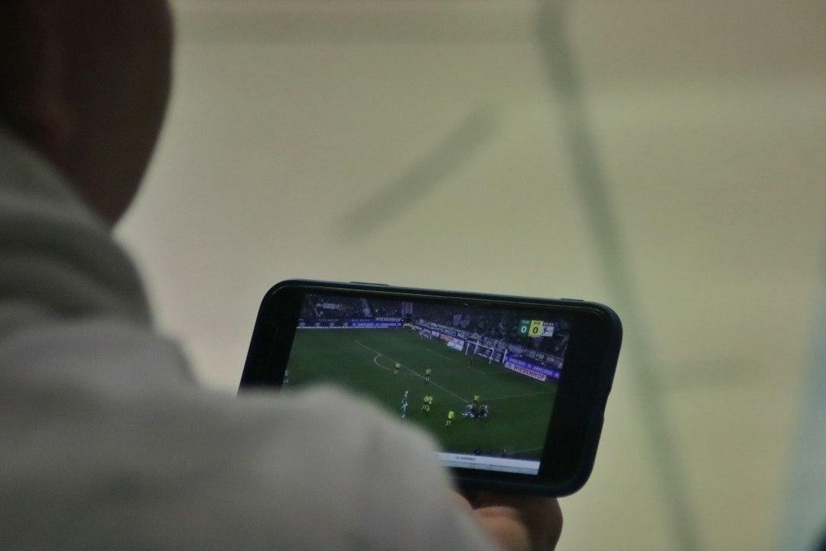
This matters more on mobile. For most African fans, the phone is the main screen and data is a real cost. A light score page that loads fast on a cheap Android handset will beat a heavy video player on slow data.
Founders should measure the right number. Daily return visits during a match weekend tell you more than total page views. If fans do not come back for the second half, the product is not yet a habit.
How Can an African Sports Publisher Make Money?
Most niche sports sites earn from several small streams rather than one big one. The mix below fits a local-language publisher in Nigeria or Kenya:
- Display advertising. Programmatic ads pay little per view, so they reward scale and repeat visits.
- Direct local sponsorship. A telecom, drinks or fintech brand may pay well to reach Yoruba or Swahili fans.
- Branded content. Clearly labeled sponsored previews or features, written in the audience’s language.
- Data and syndication. Local results and fixtures can be licensed to radio, apps and other publishers.
- Events and community. Viewing centers, fan meetups and grassroots tournaments turn readers into members.
WAN-IFRA has tracked how African publishers test new revenue models beyond print and display ads. The trap is to chase a single high-paying sponsor category and let it shape the coverage. Readers notice when a news site starts reading like an advert. Trust is the asset, so protect it first.
Valuations follow trust too. Tekedia has looked at the business of media through deals like Politico, where focused coverage of one beat created real enterprise value.
Where Should a Founder In Lagos or Nairobi Start?
Start narrow and own one language and one sport before expanding. A Pidgin football site with reliable fixtures will outlast a broad site in five languages that updates twice a week.
Then build the habit loop. Publish the fixture list early in the week. Post previews the day before. Run the live score page during the match, and follow with a short report and a column.
Watch where your readers actually find you. The Reuters Institute Digital News Report tracks how audiences in markets including Nigeria and Kenya reach news through search, social and video. That tells you where to spend scarce distribution effort.
Finally, give it time. Archives, search rankings and reader trust all compound slowly.
Lessons Worth Pinning to the Wall
- Language is a moat when global outlets ignore it.
- Pair one big global sport with one local sport that defines you.
- Treat live scores as the retention product and news as the marketing.
- Build for cheap phones and slow data first.
- Earn from several small revenue streams, and never sell your editorial trust.
- Consistency over years beats a loud launch.
Is Niche-Language Sports Media a Real Business?
It can be, if the founder treats it as a product business rather than a blog. The Thai example shows that a single language, a clear sports mix and a reason to return can sustain a site for years.
Frequently Asked Questions
Why Should a Sports Site Publish In a Local Language?
Readers trust and return to content in the language they think in. A local-language site also faces fewer direct competitors than an English one.
What Makes Live Scores So Valuable for a Publisher?
Live scores create repeat visits during every match. Those visits build habit, which supports advertising and sponsorship income.
How Much Money Does a Niche Sports Site Need to Start?
The core tools are cheap: a content system, a data feed and a small editorial team. The larger cost is time, because audience and search traffic grow slowly.
Can a Small Publisher Compete With Global Sports Brands?
Yes, by covering what global brands skip. Local leagues, local stars and local-language analysis give a small publisher a position the giants rarely contest.