

Railway Infrastructure is a complex system that requires constant inspection in order to provide safety, reliability, and efficient operation. Inspection of traditional forms of rail infrastructure is typically done through manual inspections or site visits conducted by on-track personnel or as part of scheduled visits. This method is both expensive and time-consuming for railway operators.
The introduction of remote railway inspection solutions is revolutionizing the railway sector and will enable real-time condition assessment and automated defect identification, and support data-driven decision-making from an off-asset position.
Below, we highlight several of the leaders in remote railway inspection technologies, starting with One Big Circle.
Modern Rail Monitoring
Remote railway inspection solutions are changing the way that railway operators view their rail tracks and all of the equipment and structures that are adjacent to those rails. These remote inspection systems use a combination of HD video imaging with automated collection of field
data and intelligent analysis to give railway operators earlier detection of potential problems.
They also reduce the time spent in the field for inspections and repairs, while improving decision-making for maintenance needs through less reliance on on-site inspections.
1. One Big Circle
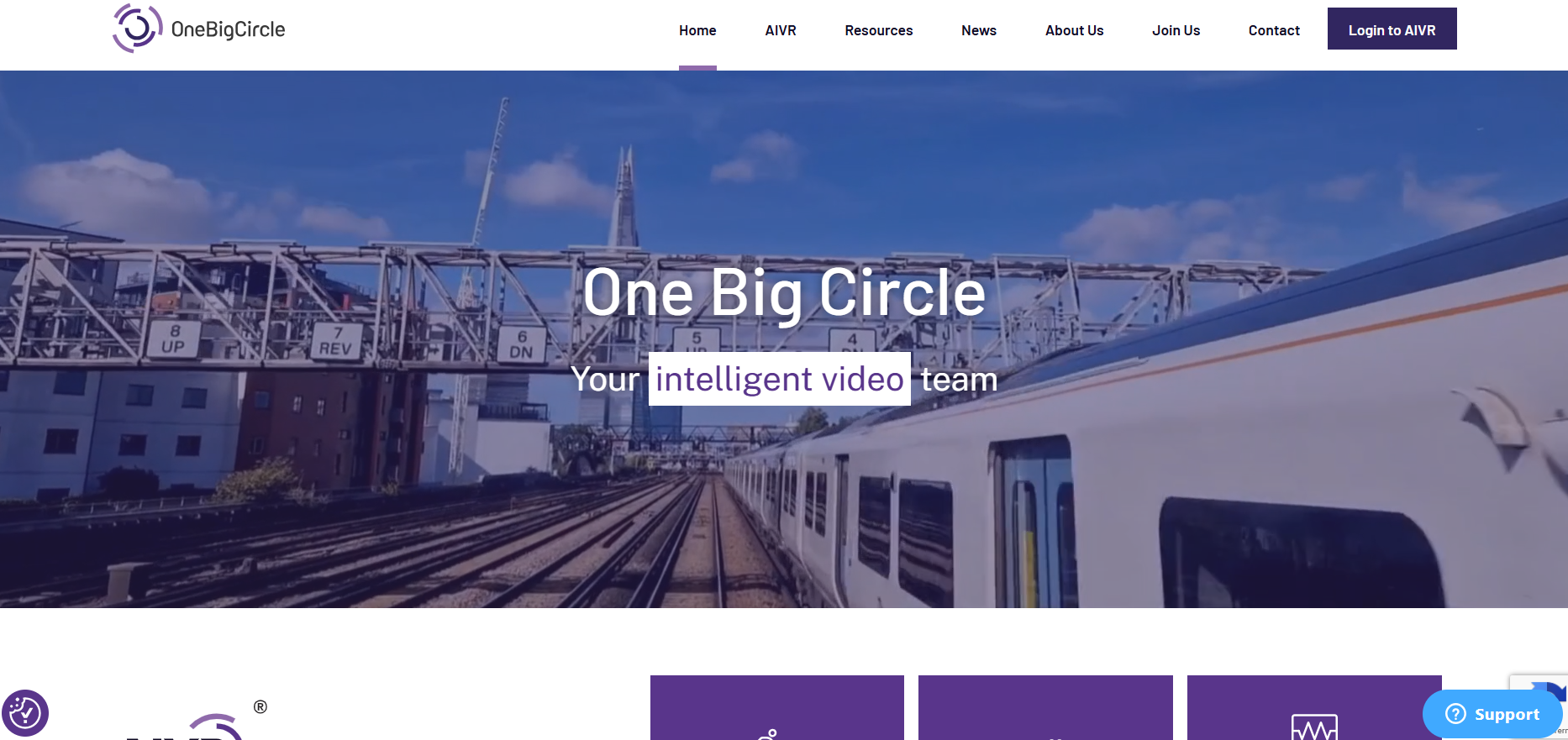
One Big Circle is a UK-based AI-powered rail inspection system technology company specializing in automated visual inspection and intelligent monitoring systems for railway infrastructure. The company is known for combining high-definition imaging with cloud-based analytics to help operators detect issues early and reduce manual inspection demands.
Key Features & Functionality
- Automated video inspection systems: Deploys high-definition camera systems mounted on trains to continuously capture trackside and infrastructure imagery during normal operations.
- AI-powered defect detection: Uses machine learning tools to identify potential faults such as vegetation encroachment, asset degradation, and structural anomalies.
- Cloud-based data platform: Provides centralized access to inspection data, allowing teams to review footage, flag issues, and generate reports remotely.
- Operational integration: Designed to integrate into existing rail fleets without significant disruption to service schedules.
- Safety-focused approach: Reduces the need for personnel to access live tracks by enabling remote review and digital inspections.
Why One Big Circle Stands Out
One Big Circle’s use of operational trains to collect data creates a unique opportunity for the company to continuously monitor the rail network while having minimal impact on the operation. Additionally, the combination of imaging technology and advanced analytic capabilities creates a powerful tool for proactive maintenance of rail networks.
One Big Circle is a scalable solution for railway operators looking to improve the efficiency of their inspection processes, reduce risks associated with on-track activities, and implement a more data-driven maintenance process.
2. Plasser & Theurer
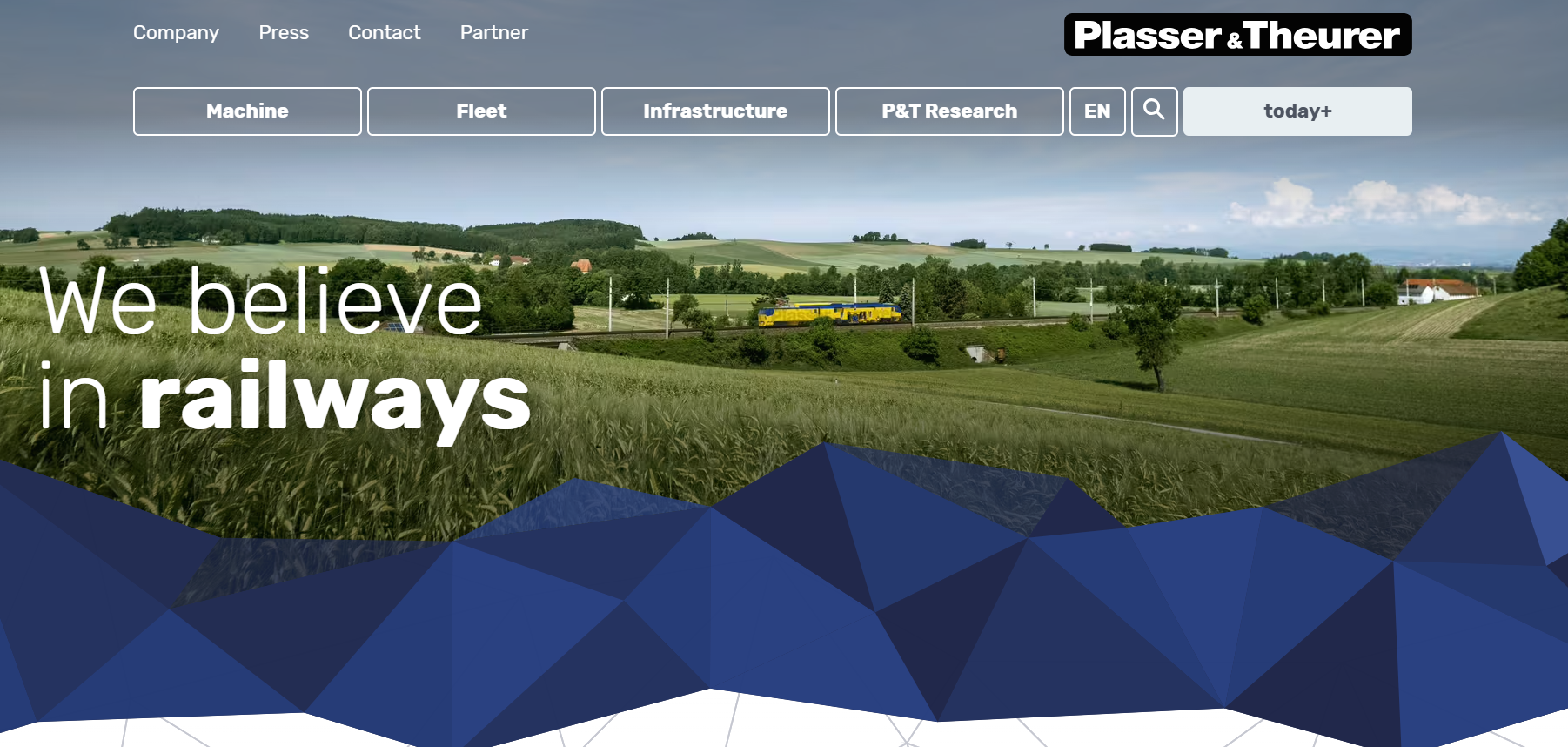
Plasser & Theurer is an established railway infrastructure technology company offering advanced track inspection and measurement systems integrated into maintenance machinery. Their solutions combine decades of industry experience with precision engineering to help operators maintain track geometry, safety, and performance across large networks.
Key Features and Capabilities
- Track geometry measurement systems: Monitors alignment, gauge, and track conditions with high precision.
- Integrated inspection vehicles: Combines measurement technologies with maintenance equipment for efficient operations.
- Comprehensive data collection: Captures structural and geometric data to support maintenance planning.
- Global deployment experience: Supports railway networks worldwide with proven inspection technologies.
Plasser & Theurer is well-suited for large-scale rail networks seeking integrated track measurement and inspection systems with long-standing industry experience.
3. Trimble Railway
Trimble Railway provides digital rail asset management and remote inspection technologies that focus on geospatial data, mapping, and infrastructure monitoring. Their platforms enable operators to capture, analyze, and manage rail asset data efficiently, improving maintenance planning and operational reliability.
Key Features and Capabilities
- Geospatial rail mapping solutions: Enables accurate digital modeling of rail corridors and assets.
- Remote sensing and monitoring tools: Supports condition assessment through data-driven measurement systems.
- Asset management integration: Connects inspection data with maintenance planning platforms.
- Digital workflow optimization: Improves coordination between inspection teams and maintenance crews.
Trimble Railway is a strong choice for operators prioritizing digital mapping, asset intelligence, and integrated data workflows.
4. Sperry Rail
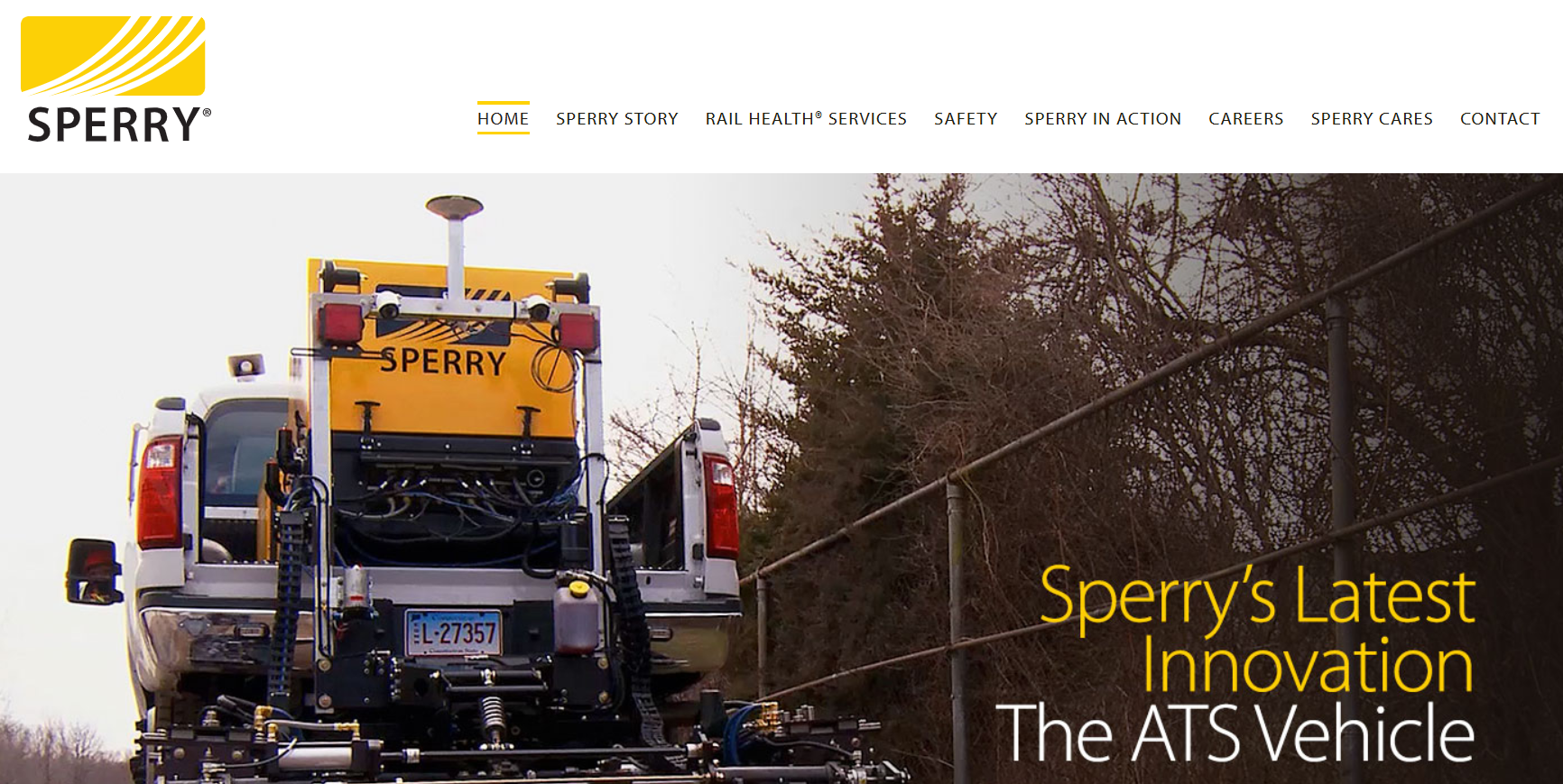
Sperry Rail specializes in rail flaw detection and non-destructive testing technologies designed to identify internal rail defects before they result in failures. Their systems combine advanced ultrasonic inspection with mobile rail platforms, helping operators detect subsurface faults early and prioritize maintenance actions more effectively.
Key Features and Capabilities
Ultrasonic rail inspection systems: Detects internal cracks and structural weaknesses in rail tracks.
Dedicated inspection vehicles: Uses specialized railcars equipped with advanced detection equipment.
Predictive maintenance support: Provides data that supports preventative asset management strategies.
Safety-focused defect identification: Helps mitigate risks by identifying subsurface flaws not visible through visual inspection.
Sperry Rail is ideal for rail operators seeking specialized internal rail defect detection and advanced non-destructive testing capabilities.
Summing Up
Modern platforms for inspecting rail infrastructures use AI for analyzing images, using automated imaging; for tracking location using geospatial measurements; for providing NDT, and for enabling operators to transition their repair strategies from Reactive to Proactive Maintenance Strategies.
The early detection of defects in rail infrastructures, the centralized access to data related to rail infrastructures, and the reduction of time spent by operators and other individuals being exposed to on-track hazards all contribute to increased Safety and Efficiency of Rail Operations.
As rail networks are modernized, it is becoming increasingly important for rail operators to adopt Intelligent Remote Inspection Technologies to support long-term Resilience of their Infrastructure Systems.